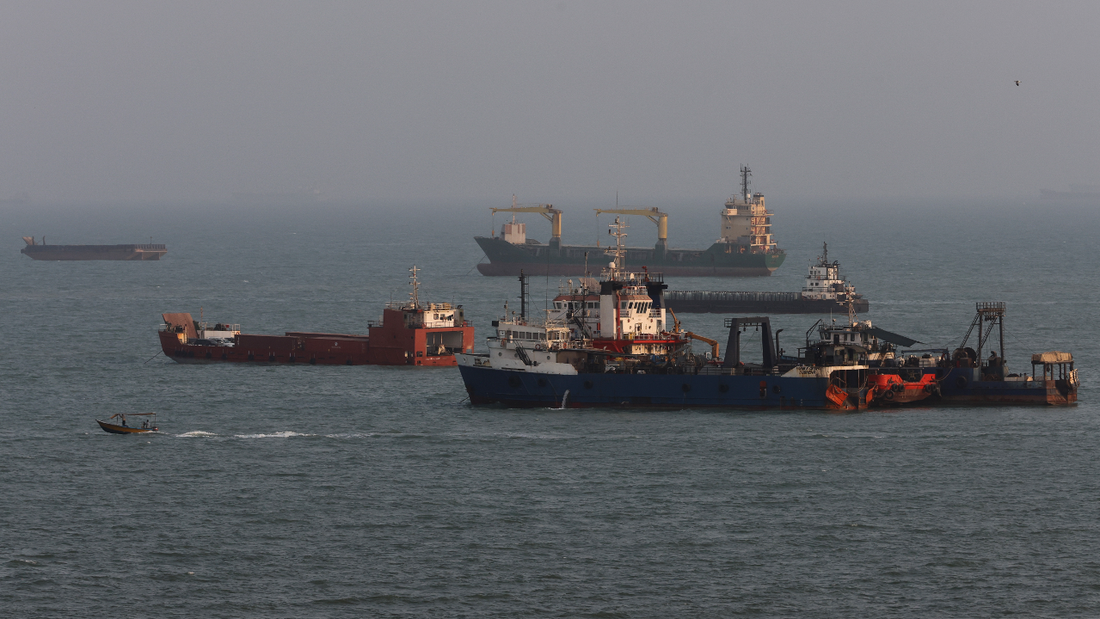
- The US naval blockade of Iran began on April 13, raising concerns about disruptions to crude supplies from the Middle East.
- On Thursday, US Defense Secretary Pete Hegseth stated that the US Navy can maintain the blockade 'indefinitely'.
- US Treasury Secretary Scott Bessent announced new economic measures and hinted at more announcements next week.
- Oil prices rose on Friday, with Brent and WTI set for weekly gains of about 4.3% and 4.6%, respectively.
- Before the U.S.-Israeli attacks on Iran, the Strait of Hormuz handled about one-fifth of global daily oil and LNG supplies.
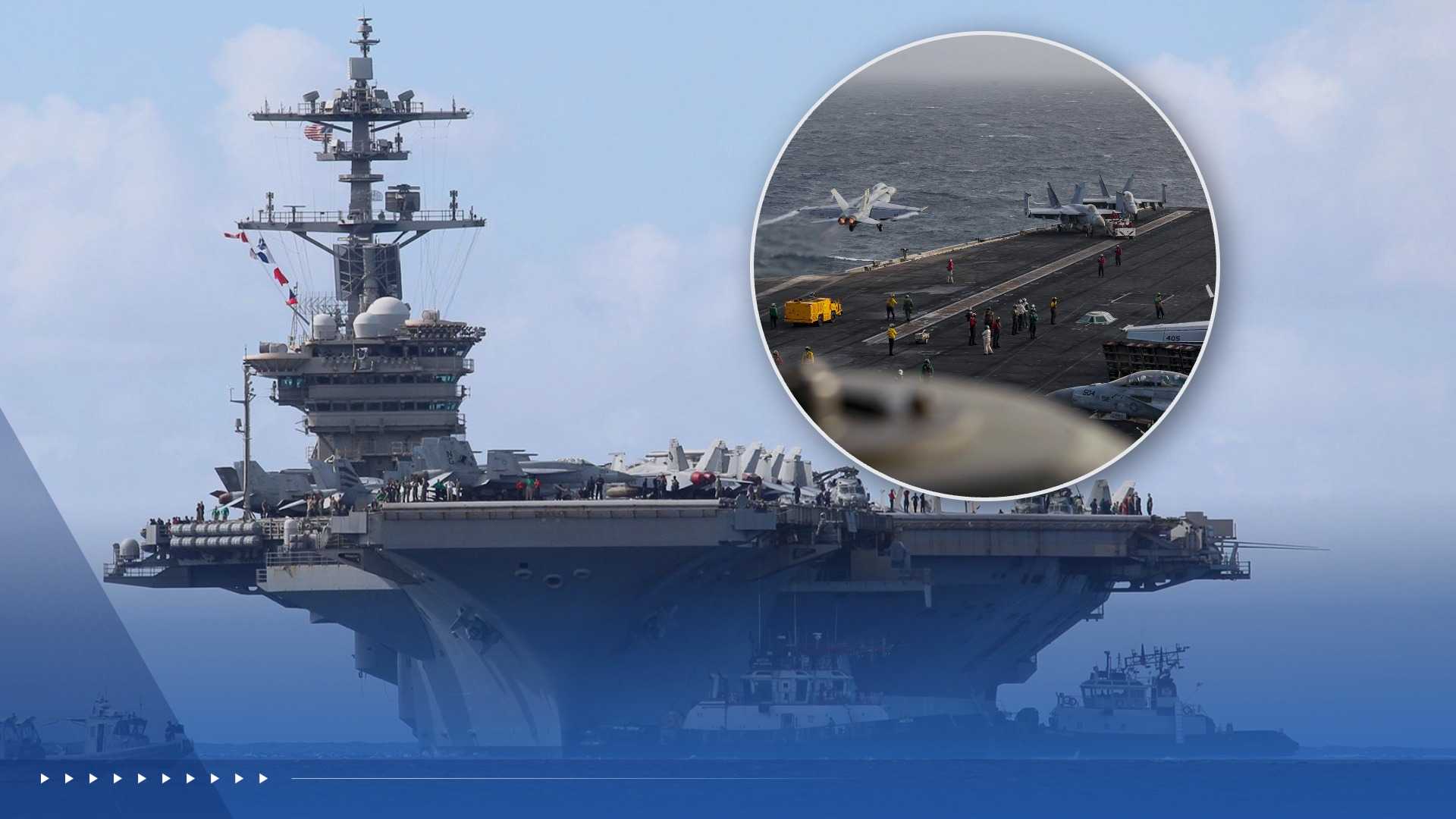
- Reports indicated declining mental health and morale among sailors on the USS Abraham Lincoln, with one sailor attempting to jump overboard.
- CENTCOM denied the reports, asserting that sailors remain resilient after more than 260 days at sea.
- Democratic lawmakers have called for Hegseth's firing and demanded answers regarding the conditions aboard the carrier.
Oil prices are on the rise as the U.S. threatens an indefinite naval blockade of Iran, with Brent crude reaching $87.19 a barrel and WTI at $81.75. This escalation follows stalled ceasefire talks and ongoing tensions in the Strait of Hormuz, a critical oil transit route.45
On Thursday, U.S. Defense Secretary Pete Hegseth stated that the U.S. military could maintain a naval presence in the region “indefinitely” to enforce the blockade. He emphasized, “Indefinitely, the United States Navy can maintain a blockade like that because we’ll rotate ships in and out.” Treasury Secretary Scott Bessent warned of unprecedented economic measures against Iran, stating, “Watch this space for more announcements coming next week because we are going to apply measures that have never been seen in the history of economic isolation of a country.”23

The blockade has already cost Iran at least $6 billion since its implementation on April 13. Analysts suggest that Iran may retaliate by targeting U.S. naval assets or pressuring regional allies to disrupt energy exports. Ali Vaez from the International Crisis Group noted, “Iran could raise the stakes by targeting US naval assets or pushing the Houthis [in Yemen] to tighten the noose around regional energy exports.”
As tensions escalate, oil prices are projected to continue rising, with Brent and WTI set for weekly gains of approximately 4.3% and 4.6%, respectively. The situation remains fluid as both nations assert control over the vital Strait of Hormuz, which previously handled about one-fifth of global oil supplies.
“Brent futures rose to $87.19 a barrel, with weekly gains of 4.3%, as the US blockade and stalled ceasefire talks fuel supply concerns. Meanwhile, reports of declining morale on the USS Abraham Lincoln, including a sailor's attempted overboard, have sparked political backlash, with Senator Blumenthal citing a record 7-month deployment.”