- Trump's appetite for tariffs never faded, as he has recently imposed duties of 10% or 12.5% on 60 countries over allegedly weak enforcement of forced-labor bans, marking the first of numerous tariff actions to be unveiled in the months ahead.
- The new levies, which took effect on Friday after midnight, range from 10% to 12.5% and are meant to be more legally durable, although economists predict they are likely to be challenged.
- Trump's next moves could reshape trade, as he has threatened to impose additional tariffs on Canada and is investigating the European Union's treatment of major US technology companies.
- Trump's new anti-forced labor duties imposed under Section 301 of the Trade Act of 1974 almost directly replace a global 10% temporary tariff that expired recently, covering 99.4% of U.S. imports.
- Legal challenges are already emerging, as the Liberty Justice group filed a lawsuit arguing the new levies are illegal, claiming Section 301 is not a freestanding authorization to tax substantially all imports.
- Trump's determination to extend his tariffs and the administration's threat to impose additional ones will keep economic uncertainty in place, potentially dampening business investment.
Trump's new tariffs, effective immediately, impose duties of 10% to 12.5% on imports from 60 countries, targeting alleged weak enforcement of forced-labor bans. This marks a significant escalation in his tariff agenda, which aims to reshape trade and bolster U.S. manufacturing.
The U.S. Trade Representative indicated that these tariffs are designed to be more legally robust, although they are expected to face legal challenges. Dan Ujczo, a trade expert, stated, "We're at the end of the beginning of the Trump tariff agenda," suggesting that more actions are imminent.5
Trump's administration is also investigating Vietnam for intellectual property theft and examining excess industrial capacity, which could lead to further tariffs. Jamieson Greer emphasized that the administration will utilize all available tools to impose tariffs aimed at reshoring production and reducing the trade deficit.
The financial implications for American households could be significant, with estimates suggesting an additional cost of $1,100 per household due to these tariffs. Eswar Prasad warned that these tariffs could exacerbate inflation and dampen business investment, creating uncertainty in the market.
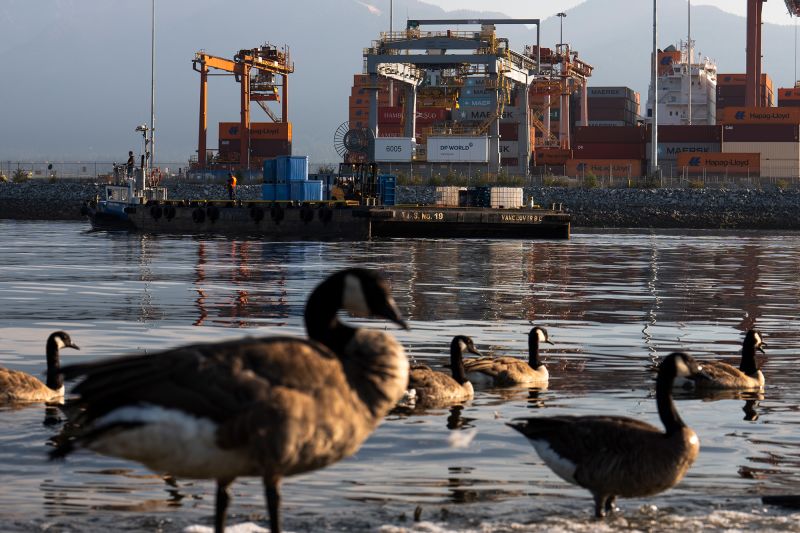
Despite previous legal setbacks, Trump's appetite for tariffs remains strong, as evidenced by his recent threats of 50% tariffs on Canadian goods and ongoing investigations into the European Union over perceived discrimination against U.S. tech companies.1
The Liberty Justice group has already filed a lawsuit challenging the legality of the new tariffs, indicating a contentious legal battle ahead.
“The new levies cover 99.4% of U.S. imports and are built on Section 301 authority after the Supreme Court struck down earlier tariffs; the Liberty Justice group quickly filed a lawsuit challenging them. Economists estimate an additional $1,100 cost per household and warn that uncertainty will dampen business investment and hiring.”

 NPR
NPR



