
- Trump warned Iran it had “one last chance” to make a deal and later called the talks Iran’s “last chance” to avoid an escalation in U.S. strikes.
- Trump said indirect talks could reopen the Strait of Hormuz and eventually address Iran’s nuclear program; he described the first phase as the opening of the straits and the second as denuclearization. Iran has not publicly endorsed either phase.
- Trump said diplomacy persuaded him to call off a planned attack on Iran that he described as the biggest since World War II, and he said Iran and several Middle Eastern countries had asked for more time to finalize an agreement.
- After Iran’s denial, Trump accused Iran’s leadership of being “unbelievably duplicitous” and wrote on Truth Social that the Iranians had asked for meetings and begun talks while saying they were not having discussions.
- The June memorandum was signed by the United States and Iran to halt fighting, lift the U.S. blockade and reopen the Strait; when U.S. officials accused Iran of firing on commercial vessels, American strikes followed.
- Fighting set up another, shorter pause, but Schanzer described the conflict as a war punctuated by short bouts of calm only for conflict to return; Ali Vaez said both sides know the status quo is a recipe for continued military and economic attrition without a clear endgame.
President Trump has labeled ongoing negotiations with Iran as a 'last chance' to avert military escalation, emphasizing the potential reopening of the Strait of Hormuz and addressing Iran's nuclear ambitions. Despite Trump's assertions, Iranian officials deny engaging in direct talks with the U.S., complicating the diplomatic landscape.123456789
Trump stated, "The first phase is the opening of the straits. The second phase will be the denuclearization," indicating a structured approach to negotiations. However, Iran has not publicly endorsed either phase of this plan, raising questions about the feasibility of reaching an agreement.
The discussions, facilitated by Oman, aim to establish a temporary shipping corridor through the Strait, a critical passage for global oil shipments. Trump has accused Iran's leadership of being "unbelievably duplicitous," suggesting a lack of trust in their commitment to negotiations. He noted that regional allies, including Saudi Arabia, have urged caution regarding military action, fearing Iranian retaliation.
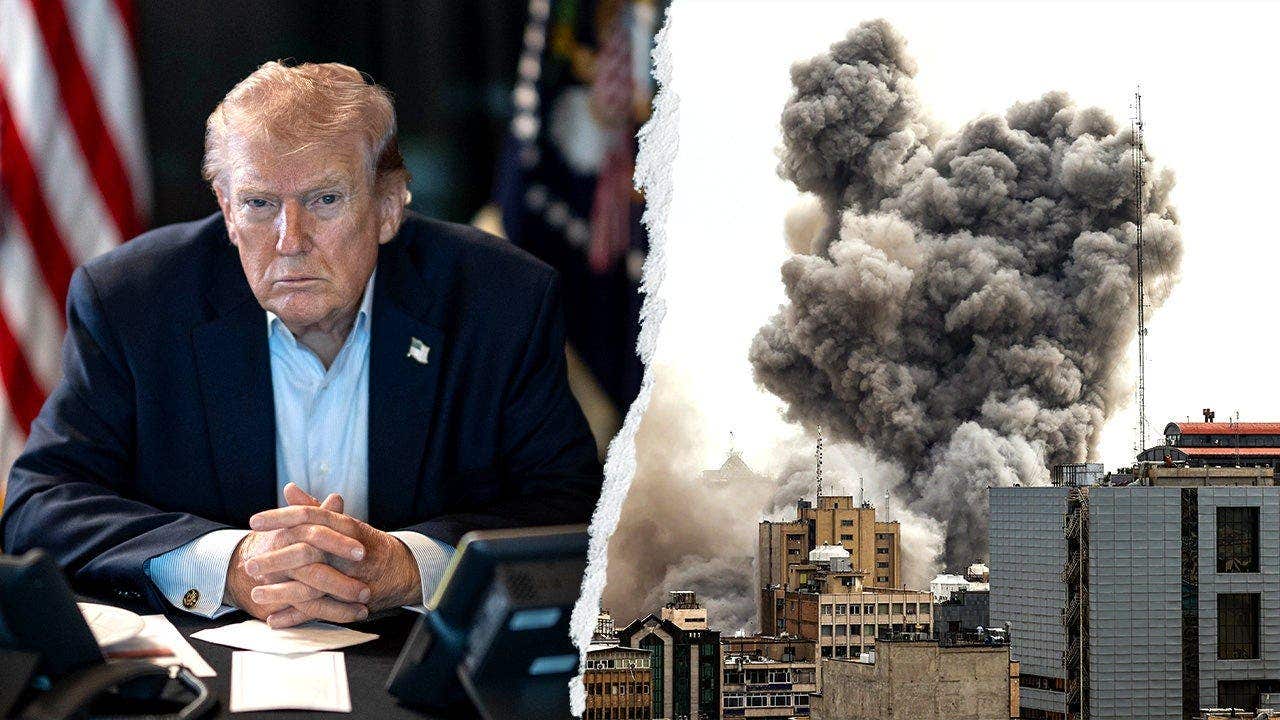
As tensions persist, experts warn that the current situation is marked by intermittent calm followed by renewed conflict. Schanzer remarked, "He’d like to be able to walk away with a win. The Iranians are not allowing him to do that," highlighting the complexities of the diplomatic efforts underway.121314
The ongoing conflict underscores a broader struggle, with both sides aware that the status quo leads to continued military and economic attrition without a clear resolution.
“Trump described the first phase as 'the opening of the straits' and the second as 'denuclearization,' though Iran has not publicly endorsed either phase. After Tehran denied the talks, Trump accused its leadership of being 'unbelievably duplicitous' on Truth Social.”


 Fox News




