
- The United States and Saudi Arabia have reached a civilian nuclear cooperation deal, the administration of President Donald Trump announced, as Washington and Riyadh push to deepen their ties.
- The US Department of Energy hailed the agreement as “historic”, stating that American companies will provide nuclear technology to the kingdom.
- The deal consists of an accord under Section 123 of the Atomic Energy Act of 1954, known as a 123 agreement, alongside an accompanying bilateral safeguards agreement.
- Energy Secretary Chris Wright stated that these agreements reflect the two nations’ shared commitment to strengthening US-Saudi commercial relations and delivering prosperity and security.
- The statement called the agreement a “decades-long, multi-billion-dollar partnership” and noted it will now be submitted to Congress for review.
- The Trump administration indicated that the cooperation deal with Saudi Arabia will create jobs in the US and reinforce global nonproliferation standards.
The United States and Saudi Arabia have signed a historic civilian nuclear cooperation deal, which will allow American companies to provide nuclear technology to the kingdom. This agreement, submitted to Congress for review, is framed as a decades-long, multi-billion-dollar partnership aimed at strengthening U.S.-Saudi commercial relations.1

Energy Secretary Chris Wright emphasized that the agreements reflect a shared commitment to prosperity and security, stating, “These agreements uphold the highest standards of nuclear safety and nonproliferation”. The deal includes a Section 123 agreement under the Atomic Energy Act, which imposes binding conditions for cooperation, including full-scope International Atomic Energy Agency (IAEA) safeguards.4
However, reports suggest that the deal may allow Saudi Arabia to enrich uranium domestically, which could face opposition in Washington. Critics warn that if Saudi Arabia develops enrichment capabilities, it could trigger a regional arms race. “If one country starts building these capabilities, others will seek to follow suit,” experts caution.
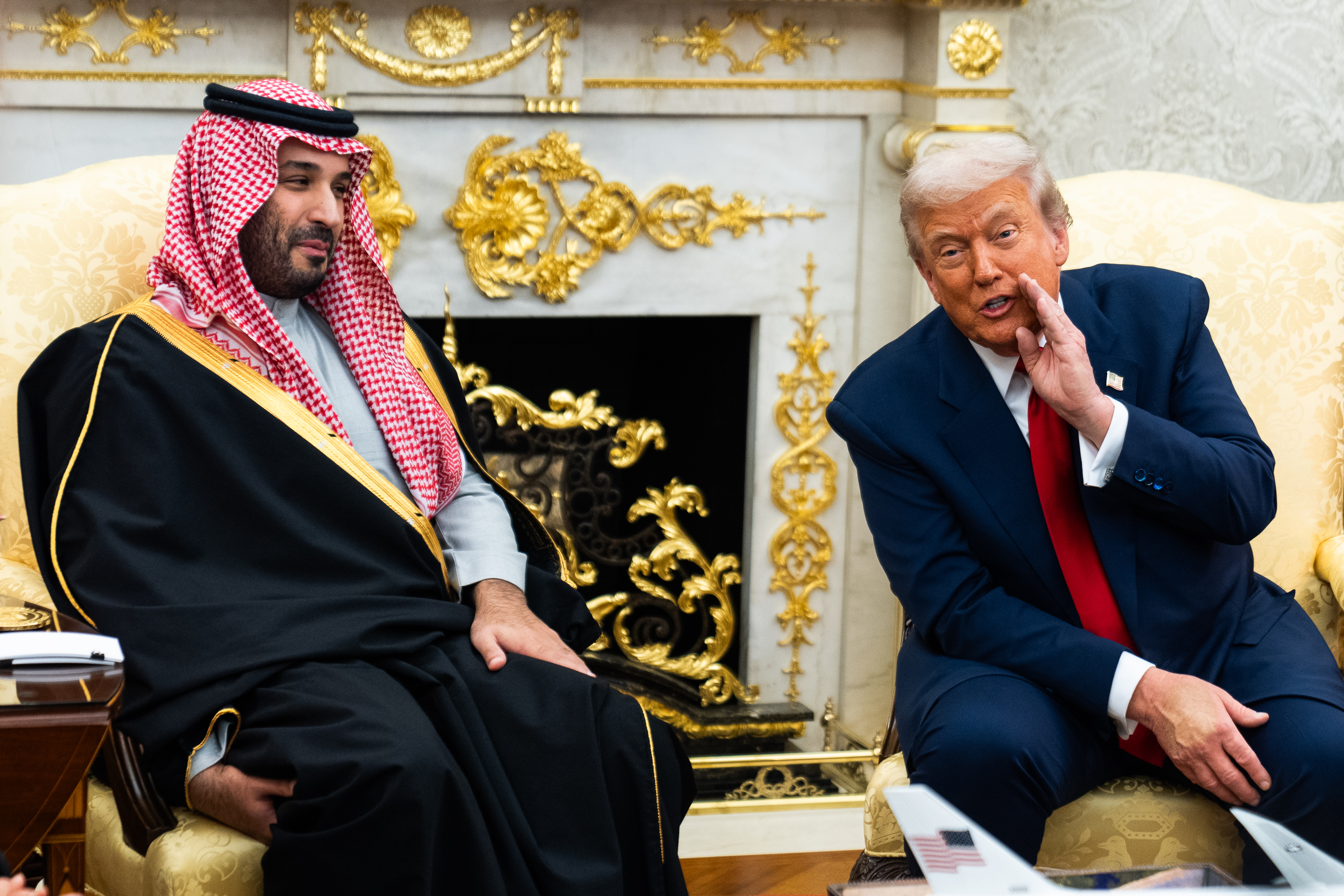
The Trump administration argues that the deal will create jobs in the U.S. and reinforce global nonproliferation standards. The agreement could also enhance the position of U.S. vendors by embedding nuclear trade within a broader government-to-government relationship. “Nuclear exports create institutional relationships that can last for decades,” a source noted, highlighting the long-term implications of this partnership.
“The deal, signed under Section 123 of the Atomic Energy Act, reportedly permits Saudi Arabia to enrich uranium domestically rather than import nuclear fuel, a condition that has sparked concerns among nonproliferation advocates. The Trump administration says the agreement, which will now be reviewed by Congress, strengthens the strategic partnership and creates U.S. jobs while upholding nonproliferation standards.”





