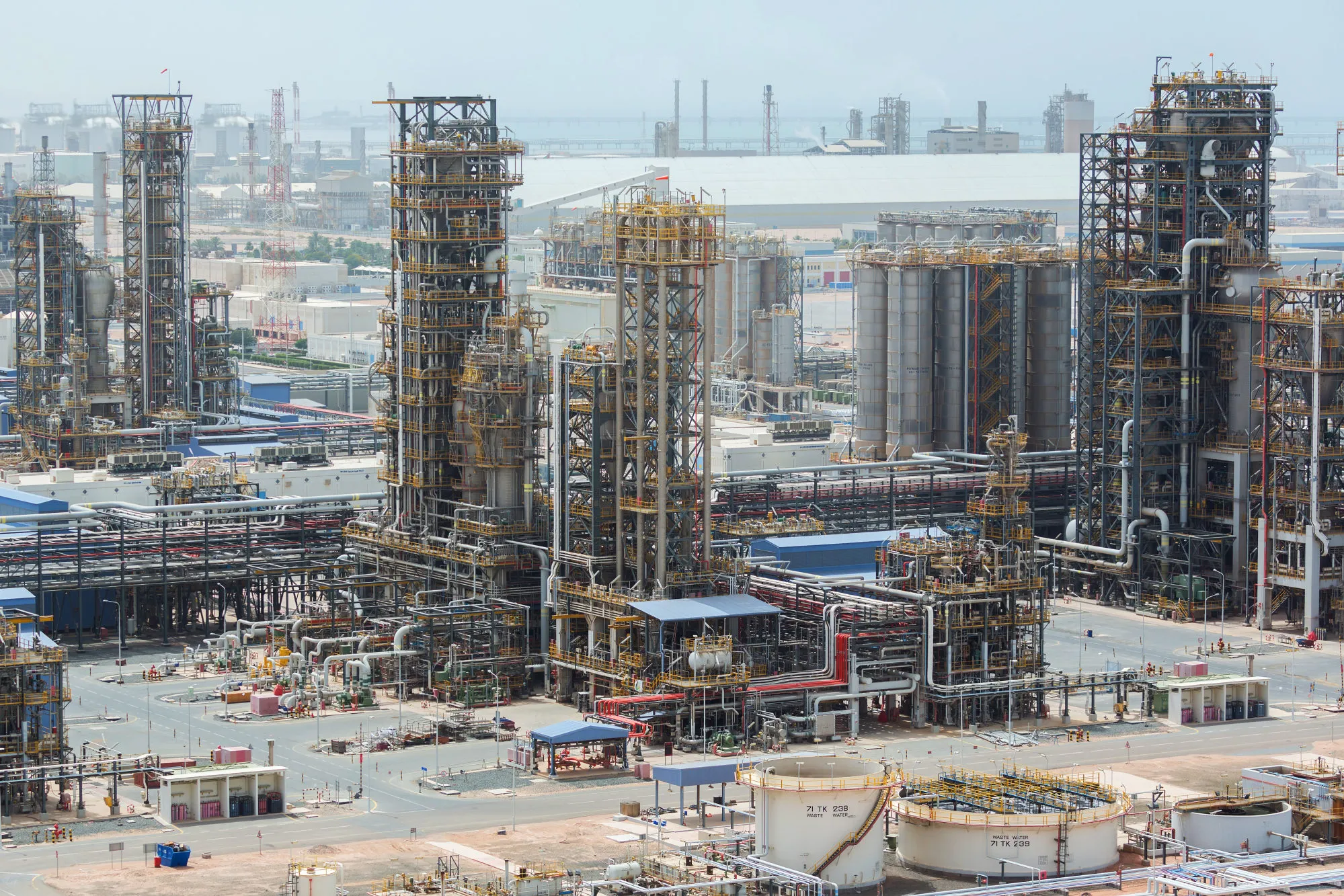
- Brent crude climbs above $91 a barrel as US-Iran ceasefire ends.
- Oil prices have risen, trading above $90 a barrel, as hopes faded for a permanent deal to end war in the Middle East and a ceasefire between the US and Iran ended, heightening fears about energy supplies.
- Trump threatened to bomb Oman if it 'gets in the way' of his effort to end the war, the second time he has directed such a threat at the longtime US strategic partner.
- Iran will shift to a 'fully offensive' military stance as efforts have stalled towards a permanent end to the war, a senior Iranian official told Reuters on Monday, as Washington ruled out extending their temporary ceasefire pact.
- Brent crude futures climbed 0.8%, to $91.60 a barrel, the highest since 30 July.
- 'Trump’s threat to bomb Oman could be the moment the oil market shifts from pricing a temporary disruption to pricing a prolonged one,' said Angeline Ong, a senior technical analyst at the investing and trading platform IG.
- Analysts at Deutsche Bank wrote on Tuesday that the rising oil prices were a sign of investors pricing in 'a more extended closure' of the strait.
Oil prices have surged above $91 a barrel following the end of the US-Iran ceasefire, with Brent crude futures climbing to $91.60, the highest since July 30. The cessation of talks for a permanent peace deal has heightened fears over energy supplies in the Middle East.1256
Iran has announced a shift to a “fully offensive” military stance, as a senior official indicated that efforts for a permanent resolution have stalled. This escalation comes as former President Trump threatened military action against Oman, stating, “If Oman gets in the way, we’ll bomb the shit out of them,” during an interview with Fox News.34
Analysts are interpreting Trump's threats as a potential shift in the oil market, with Angeline Ong from IG noting, “Trump’s threat to bomb Oman could be the moment the oil market shifts from pricing a temporary disruption to pricing a prolonged one.” Deutsche Bank analysts echoed this sentiment, suggesting that rising oil prices reflect investors' concerns about a “more extended closure” of the Strait of Hormuz, a critical passage for global oil shipments.78
With approximately a quarter of global seaborne oil passing through this strait, any reduction in the likelihood of reopening could significantly increase the geopolitical premium on crude oil prices, indicating a turbulent period ahead for energy markets.
“Brent crude climbed to $91.60 a barrel, the highest since July 30, as fears about energy supplies grow. Analysts at Deutsche Bank noted that rising oil prices indicate investors are pricing in a potential extended closure of the Strait of Hormuz, crucial for global oil transport.”


 The Guardian