- Negotiations between Iran and Oman have continued for more than three weeks and produced broad agreement on proposed inbound and outbound shipping routes.
- Iran and Oman are close to finalizing a proposed framework for commercial shipping through the Strait of Hormuz, but the agreement would not automatically reopen the waterway, according to Iranian Deputy Foreign Minister Kazem Gharibabadi.
- Late on Wednesday, Iranian Foreign Ministry spokesman said negotiations with Oman on a proposed reopening of the strait were “forward-looking” and a deal would be struck “if certain third parties do not obstruct this process”.
- US Vice President JD Vance said peace negotiations with Iran would “be messy” and take time, adding that “the Iranians are extraordinarily difficult people” with “a fractured system.”
- Iranian Deputy Foreign Minister Kazem Gharibabadi said Iran has not yet decided whether to proceed toward implementation of the previously signed US-Iran memorandum of understanding.
Iran and Oman are close to finalizing a framework for commercial shipping through the Strait of Hormuz, according to Iranian Deputy Foreign Minister Kazem Gharibabadi.3457
The proposed agreement, however, would not automatically reopen the critical waterway, which is vital for global oil shipments. Gharibabadi noted that negotiations have been ongoing for over three weeks, resulting in broad agreement on inbound and outbound shipping routes.
The talks also addressed technical arrangements, security, and sovereignty for both nations, including a proposed joint coordination center to manage maritime traffic.
Under the new framework, temporary routes near Iran's Larak Island and through Omani waters would be established, marking a shift from the traditional system where commercial traffic primarily traversed Omani waters.
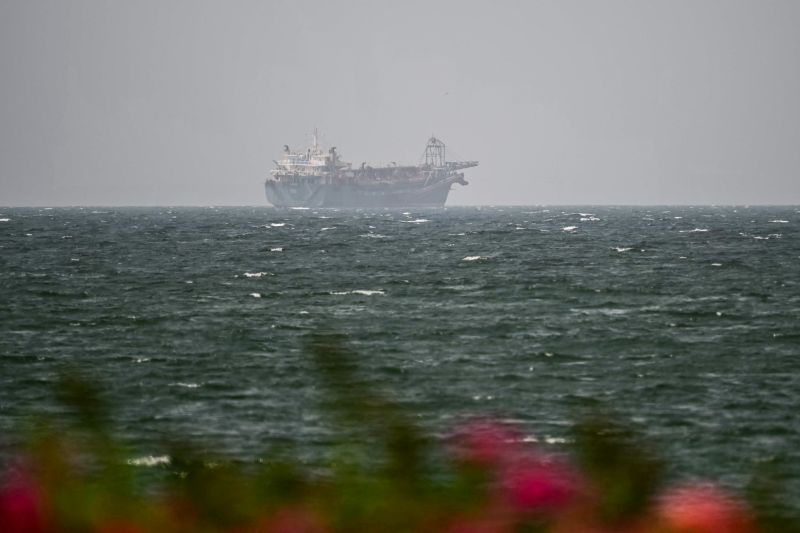
Gharibabadi indicated that the proposed routes would operate for an initial period of two to four months, pending a decision from Iran's senior leadership.
Meanwhile, tensions remain high as Tehran denies any discussions with the U.S., with Vice President JD Vance stating that peace negotiations would be “messy” and take time, highlighting the complexities of dealing with Iran's “fractured system.”6
The situation underscores the delicate balance of regional power dynamics and the ongoing challenges in ensuring safe maritime navigation in one of the world's most crucial shipping lanes.
“Gharibabadi said the proposed route would initially operate for two to four months, with parts of new corridors passing through Iranian waters, a departure from the decades-old system. Meanwhile, US Vice President JD Vance called Iranians 'extraordinarily difficult people' with 'a fractured system,' as Tehran denies talks with Washington.”


 South China Morning Post



