Sources: 
Pentagon officials have publicly disclosed that the cost of the ongoing war in Iran stands at
$25 billion, primarily driven by munitions and operational expenditures.
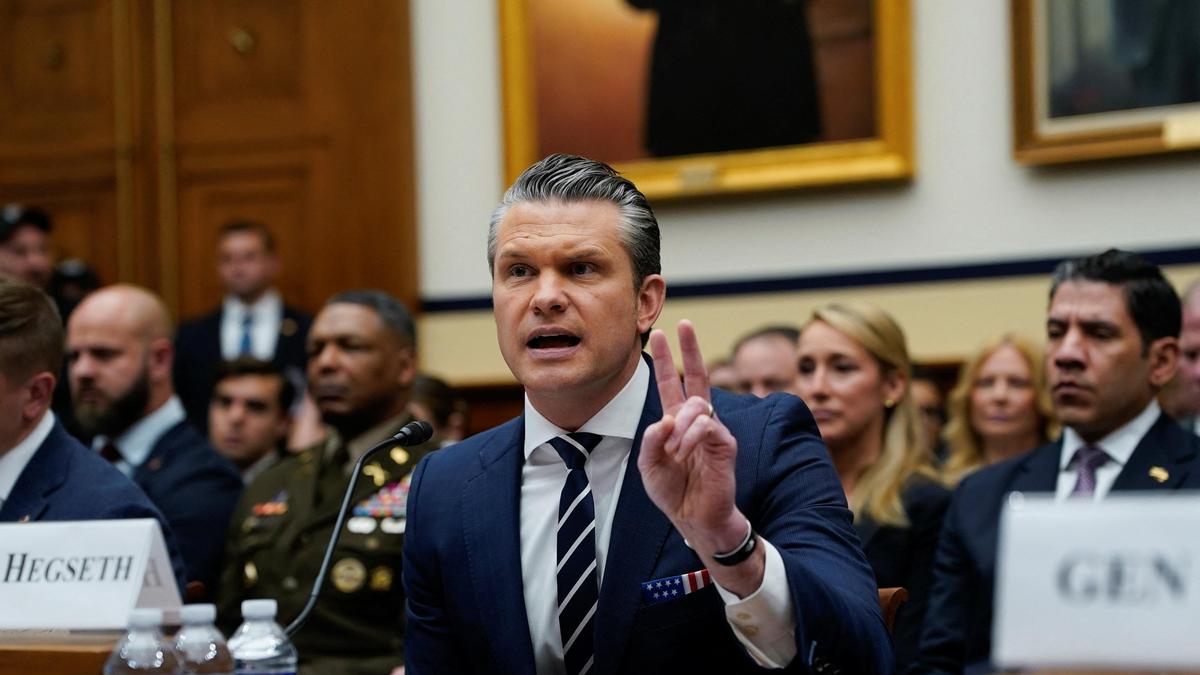
During a House Armed Services Committee hearing,
Jules Hurst III, the Pentagon's acting comptroller, emphasized that the funding is crucial for U.S. military readiness amidst fears of Iranian nuclear development.
The conflict, which started on February 28, 2026, with U.S.-Israeli strikes, has generated substantial debate among lawmakers regarding its objectives and financial implications.
Defense Secretary Pete Hegseth faced fierce questioning from skeptical Democrats, who labeled the military action a “quagmire” and criticized its exorbitant costs. He defended the operation as essential for preventing Iran from acquiring nuclear weapons, stating,
“What is it worth to ensure that Iran never gets a nuclear weapon?” Tensions rose during the hearing as Hegseth rebuked criticisms, alleging that some lawmakers were propagating narratives detrimental to U.S. interests.
Representative John Garamendi voiced concerns about the lack of clarity surrounding the war's objectives, reinforcing that it has become politically and economically disastrous.
Despite the rising costs and casualties—14 U.S. military members have died in the conflict—the administration continues to advocate for further military investment, including drones and missile defense systems.
This costly engagement, conducted without Congress's blessing, raises significant questions about the direction of U.S. foreign policy and military strategy in the Middle East.
Sources: Pentagon officials revealed that the war in Iran has cost the U.S. approximately $25 billion, primarily due to munitions spending, as President Trump warned Tehran to take decisive action quickly. The conflict, ongoing since February, lacks clear objectives and congressional approval, drawing scrutiny from lawmakers.