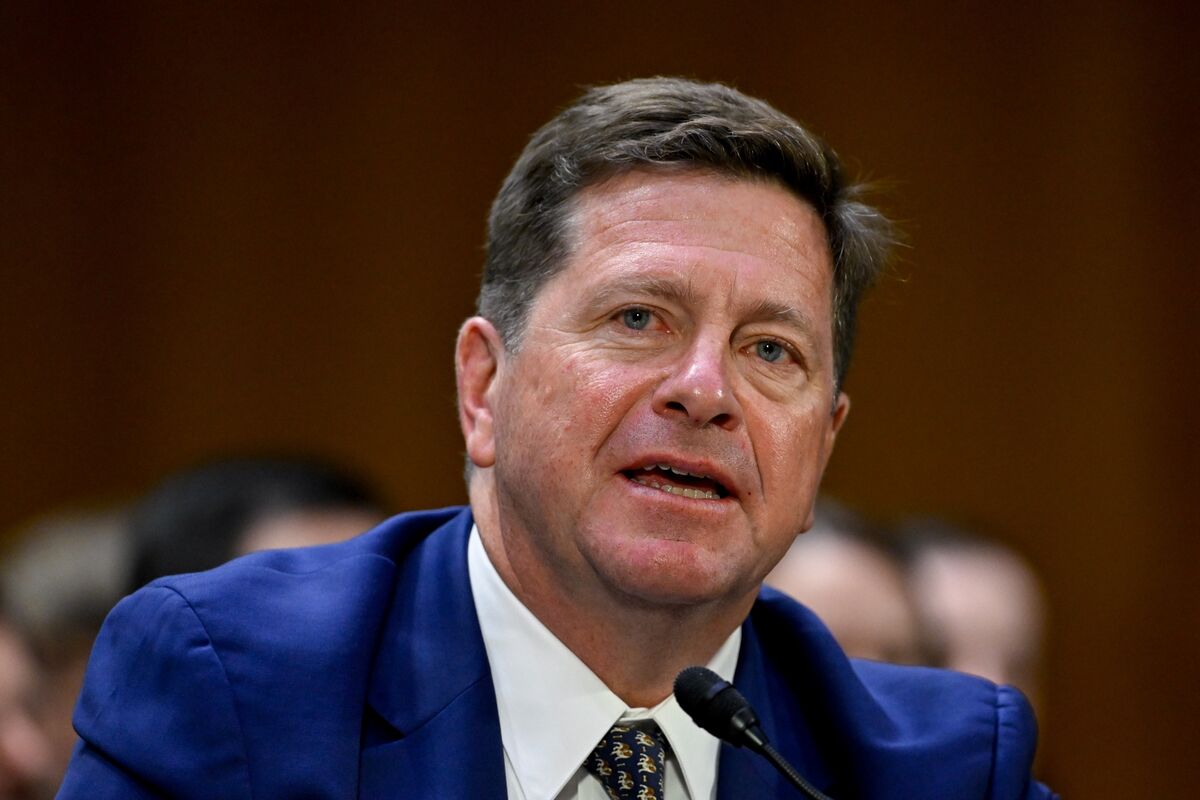
- Senate votes 51-47 to confirm Jay Clayton as director of national intelligence, replacing interim candidate Pulte.
- Jay Clayton, President Donald Trump’s pick to lead the US intelligence community, steps into his new job inheriting a diminished office whose authority and relevance are at a historic low point.
- Clayton's legal career centered on corporate law before serving as a US attorney under Trump, and he must now chart a course for an organization that struggled with its mandate even before Donald Trump and his allies made it their top 'Deep State' target.
- Pulte announced a fifth and 'near final' round of firings, claiming in a post on X that the dismissals had cumulatively axed 'approximately 30%' of staff at the top spy agency.
The Senate confirmed Jay Clayton as the new director of national intelligence with a narrow 51-47 vote, succeeding interim chief Pulte, who faced criticism for his handling of the role. Clayton, previously the top federal prosecutor in Manhattan, steps into a challenging position marked by diminished authority and relevance.3
Clayton's confirmation comes amid ongoing concerns regarding the intelligence community's influence on U.S. elections, a topic that has gained traction in recent years. His predecessor, Pulte, had announced significant staff reductions, claiming that approximately 30% of the agency's workforce had been dismissed in a series of firings.
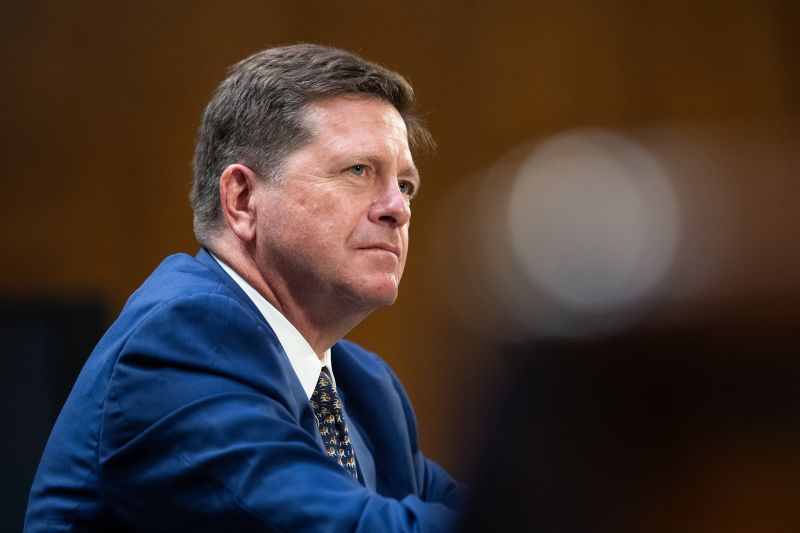
As Clayton takes the helm, he must navigate an organization that has struggled with its mandate, particularly as it has been targeted by Trump and his allies as part of their “Deep State” narrative. Clayton's legal background in corporate law and his experience as a U.S. attorney will be crucial as he seeks to restore the agency's credibility and effectiveness in a politically charged environment.
The intelligence community's role has been under scrutiny, and Clayton's leadership will be pivotal in addressing these challenges while ensuring national security interests are met.
“Clayton, previously the top federal prosecutor in Manhattan, steps into a diminished office with historic low authority and relevance. He faces the challenge of navigating an organization that has struggled with its mandate, especially under scrutiny from Trump and his allies.”




