Scientists unveil detailed 3D map of mouse brain, marking a watershed moment in neuroscience
MY PROFESSION
MY TECH INTERESTS
28m ago
US Scientists Revealed Groundbreaking 3D Map of Mouse Brain; Markowitz Called it a Watershed Moment
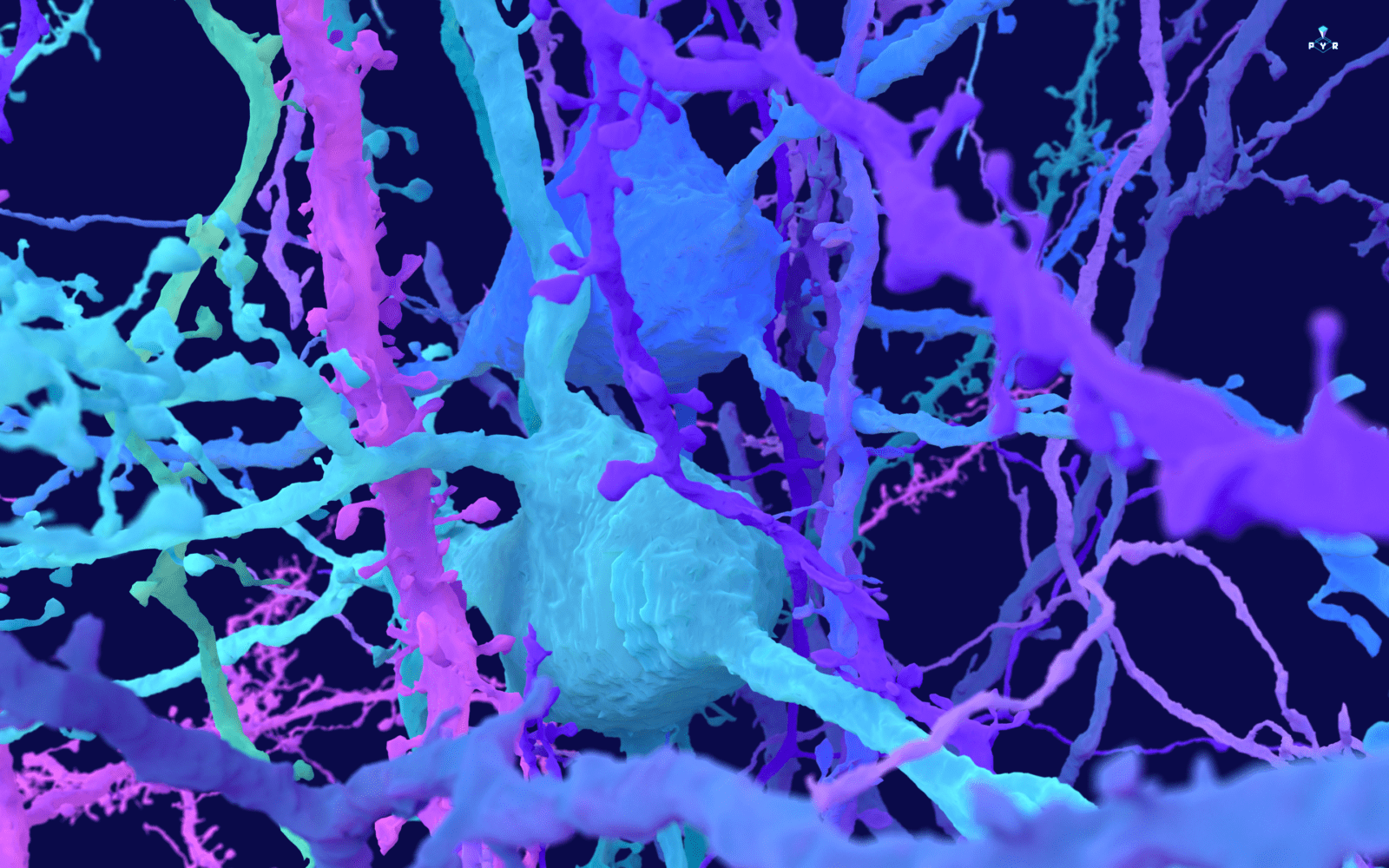
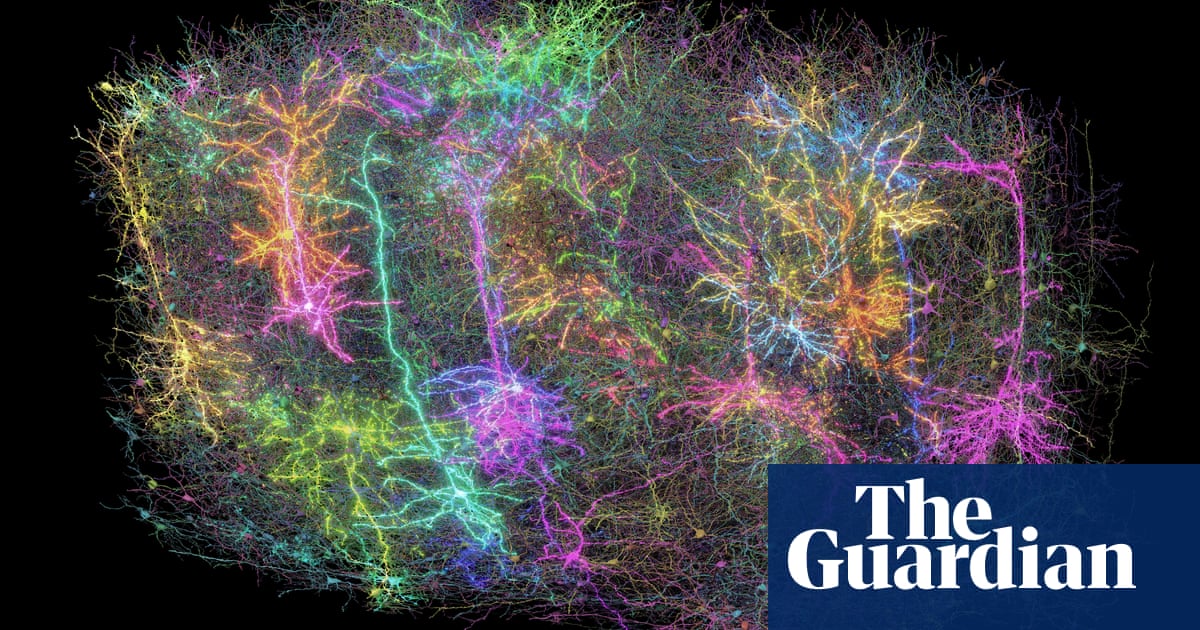
- The 3D map of a cubic millimetre of mouse brain reveals half a billion synapses and 5.4km of neuronal wiring, providing groundbreaking insights into brain function.1
- Dr David Markowitz described the findings as a watershed moment for neuroscience, comparable to the Human Genome Project.1
- The research involved scientists from Baylor College of Medicine and the Allen Institute, utilizing advanced imaging techniques and artificial intelligence.1
- The study revealed that inhibitory cells are highly selective about which cells they target, creating a network-wide system of coordination.1
- The new 3D map reveals half a billion synapses and is hailed as a watershed moment for neuroscience.
- Research involved Baylor College of Medicine and the Allen Institute, showcasing advanced imaging techniques.
 Theguardian
1h ago
Background
- An international team of researchers, co-led by Princeton University's Sebastian Seung, published a precise map of the vision centers of a mouse brain, revealing the largest and most detailed look at the internal wiring of mammalian perception.3
- The project involved more than 150 researchers from 22 institutions and was primarily funded by the U.S. Office of the Director of National Intelligence and the National Institutes of Health.1
- The researchers digitally disentangled hundreds of thousands of cells and around half a billion connections, creating a full 3D reconstruction of a cubic millimeter of brain tissue.1
- The technologies developed in this project will help identify abnormal patterns of connectivity that may give rise to disorders such as autism and schizophrenia.1
- An international team of researchers, co-led by Sebastian Seung from Princeton University, published a precise map of the vision centers of a mouse brain, revealing the largest and most detailed look at mammalian perception.
- The project involved more than 150 researchers from 22 institutions and was funded by the U.S. Office of the Director of National Intelligence and the National Institutes of Health.
- The researchers digitally disentangled hundreds of thousands of cells and around half a billion connections, creating a full 3D reconstruction of a cubic millimeter of brain tissue.
 Princeton Engineering