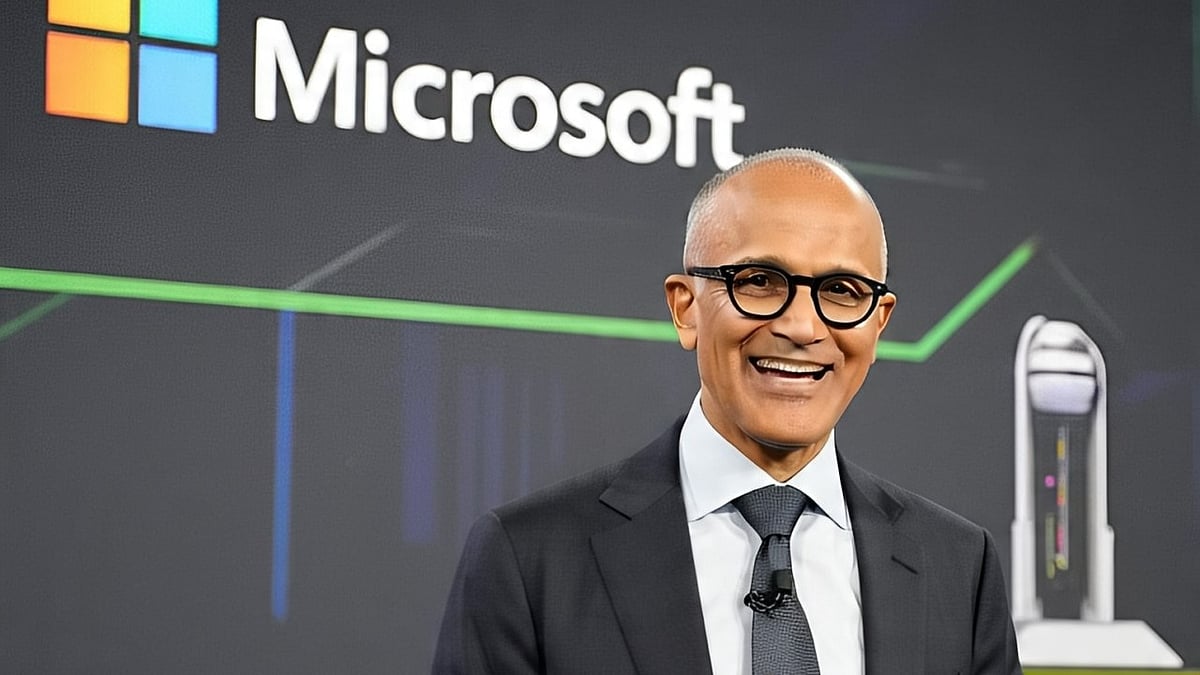
- Satya Nadella has voiced concerns over the growing concentration of power in artificial intelligence, arguing that the technology’s future should not be shaped by a small group of companies.
- Nadella warned that the concentration of power in AI raises broader questions around economic disruption, safety, and access.
- Nadella stated, “You cannot hand the world’s curiosity to a handful of companies and call it progress.”
- Nadella emphasized that the gains from AI should be spread more widely across society rather than remaining concentrated among a few technology companies.
- Nadella warned that allowing the value created by AI to outpace gains for workers and society could deepen existing inequalities instead of reducing them.
- According to Nadella, the new model for AI deployment will be more democratised, with societal benefits widely shared and companies avoiding dependency on a small group of frontier models.
- Nadella characterised AI as a knowledge engine that enables companies to better utilise their employees and apply their data across a range of models with different costs and capabilities.
- Nadella remarked, “We now have to do the hard work in earning the social permission.”
Microsoft CEO Satya Nadella has raised alarms about the increasing concentration of power in artificial intelligence, warning that a few companies should not dictate the technology's future. He stated, "You can't hand the world’s curiosity to a handful of companies and call it progress."123458
Nadella highlighted the potential risks of this concentration, including economic disruption and safety concerns. He argued that the public would not tolerate a scenario where a small group captures the value of AI while making dire predictions about job losses and security risks. "You cannot hand the world’s curiosity to a handful of companies and call it progress," he reiterated, emphasizing the need for a more equitable distribution of AI's benefits.
)
Promoting a shift towards more flexible models like Copilot Cowork, Nadella insisted that AI's advantages must be shared widely rather than monopolized by a few tech giants. He envisions a future where AI serves as a knowledge engine that enhances employee productivity and democratizes access to technology.7
Nadella warned that if the value generated by AI continues to outpace societal gains, it could exacerbate existing inequalities. "We now have to do the hard work in earning the social permission," he stated, underscoring the importance of public trust in the deployment of AI technologies.
“Satya Nadella has voiced concerns over the growing concentration of power in AI, warning it could deepen existing inequalities. He emphasizes that the benefits of AI should be more widely shared across society.”
 Firstpost