
Looking back at November 2024: New desalination technology tested in Southern California aims for sustainable water supply
MY PROFESSION
2h ago
Flocean's Desalination Technology Achieves 30-50% Energy Savings and Launches Zero Project
- Flocean's desalination technology can achieve 30-50% energy savings compared to conventional systems after site-specific engineering.1
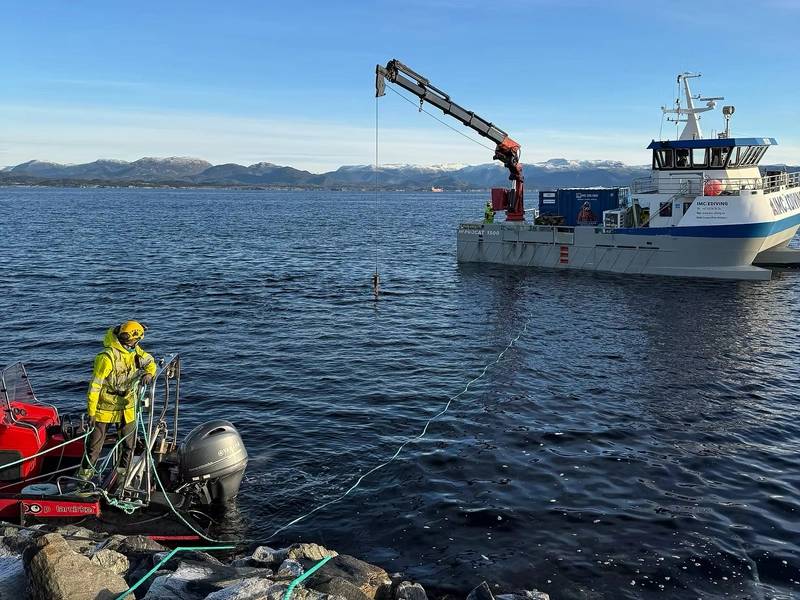
- The Flocean Zero project, launched in November 2024, aims to verify desalination efficiency in real-world conditions.1
- Desalination processes currently generate over 400 million tons of CO2 annually, a figure that could double with new projects.1
- In Cyprus, desalination accounts for 2% of total greenhouse gas emissions and consumes 5% of the country's power.1
- Flocean's technology promises significant energy savings and aims to verify efficiency through the new Flocean Zero project.
- Desalination's environmental impact is highlighted, with current processes generating over 400 million tons of CO2 annually.
 Marinetechnologynews
5h ago
Background
- A new deep-sea desalination technology is being tested in Southern California, aiming to provide an economical and environmentally friendly way to convert seawater into fresh water.1
- The company plans to build a water farm anchored to the ocean floor, using pods to take in saltwater and pump purified fresh water to shore.1
- Mark Gold from the Natural Resources Defense Council stated that this technology could provide a reliable water supply without harming marine life.1
- The pilot study is supported by over $700,000 in grants from the Metropolitan Water District of Southern California and the U.S. Bureau of Reclamation.1
- OceanWell's CEO, Robert Bergstrom, has been involved in desalination projects since 1996 and aims to solve California's water problems with this new technology.1
- A new deep-sea desalination technology is being tested in Southern California to convert seawater into fresh water.
- The company plans to build a water farm anchored to the ocean floor to pump purified fresh water to shore.
- Mark Gold from the Natural Resources Defense Council stated this technology could provide a reliable water supply without harming marine life.
 Los Angeles Times