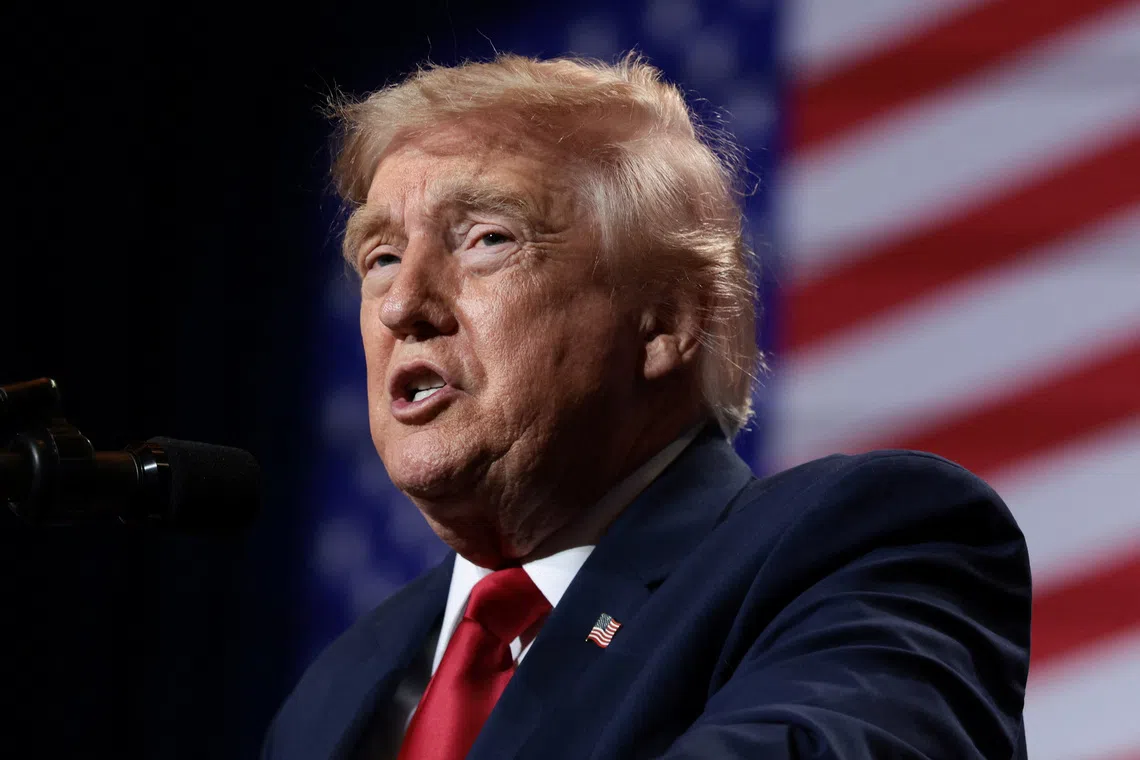
- President Trump said he believes the war with Iran will end "pretty soon", stating, "I think it's going to end pretty soon. I don't think they can go much longer."
- Oil prices barrelled higher again Thursday (Aug 6), extending their volatile run, while global stock markets had a mixed day ahead of key US employment data.
- The main oil contracts rose, with Brent crude adding nearly four per cent and the main US contract WTI adding nearly three per cent.
- Reports that a potential agreement bars US and Israeli vessels from entering the Strait have dampened expectations, according to Again Capital's John Kilduff.
- The rebound in oil prices weighed on US equity markets, with the Dow retreating from a record close and the Nasdaq ending flat.
- European main indices closed mixed: London's FTSE 100 lost 0.2 per cent while Frankfurt and Paris climbed modestly, though fresh highs proved elusive.
- Reuters reported that the U.S. Army had used up much of its global stockpile of highly accurate long-range missiles during the five-month war with Iran.
- Trump acknowledged that while the U.S. has a "virtual unlimited supply" of certain powerful munitions, other types are "a little bit tighter."
- Trump said U.S. defense companies were building more production plants, including facilities for Patriot and Tomahawk missiles.
- US investors are looking ahead to Friday's monthly government jobs report, adding to caution.
- Kilduff noted, "This situation is just far from settled and you can only give hope so much of a chance, so the market is taking back some of the optimism about the situation."
- Chris Beauchamp, chief market analyst at IG, said, "Rising oil prices have crimped some of the optimism seen earlier in the week - but the price is still much lower than a week ago, providing a positive tailwind as we move into the second week of August."
President Trump stated that the war with Iran is likely to end soon, suggesting that the conflict cannot persist much longer. He emphasized the U.S. military's reliance on certain munitions, noting, "We have certain types of munitions that are very powerful, that we have unlimited, virtual unlimited supply." However, the ongoing military engagement has led to a significant depletion of the U.S. missile stockpile, as reported by Reuters, which highlighted that much of the global stockpile of long-range missiles has been exhausted during the five-month conflict.
In the backdrop of these developments, oil prices have surged, with Brent crude rising nearly four percent and WTI adding nearly three percent. This increase is attributed to uncertainty surrounding a potential agreement that may restrict U.S. and Israeli vessels from entering the Strait of Hormuz. Market analyst John Kilduff remarked, "This situation is just far from settled and you can only give hope so much of a chance, so the market is taking back some of the optimism about the situation." The rising oil prices have also impacted U.S. equity markets, leading to a retreat from record highs, as investors remain cautious ahead of upcoming economic data.11
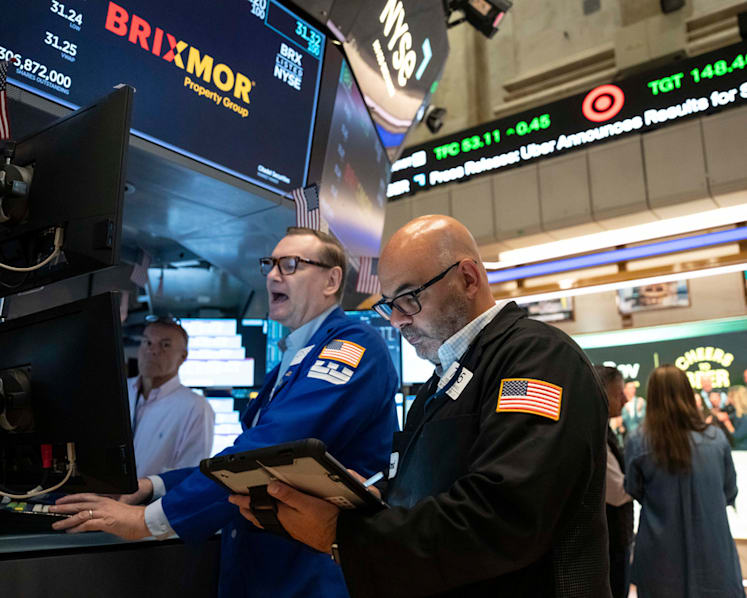
Despite the volatility, Chris Beauchamp, chief market analyst at IG, noted that while rising oil prices have dampened optimism, the current price levels are still lower than those seen a week ago, providing a positive outlook as the market moves into the second week of August.
“Reuters reported the U.S. Army used up much of its global stockpile of long-range missiles during the five-month war, while Trump acknowledged certain munitions are 'a little bit tighter.' Oil's rebound weighed on equities, with the Dow retreating from a record close and investors eyeing Friday's jobs report.”