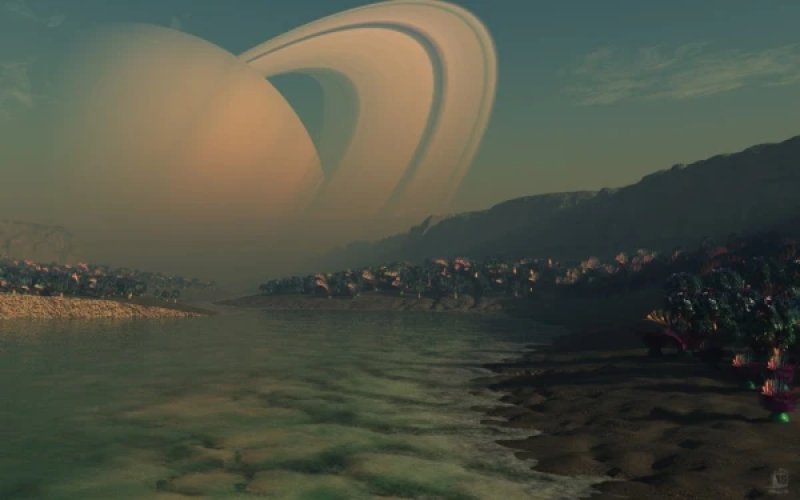
- In 2028, Americans will fly to Titan, Saturn's moon, where helium will be extracted.
- NASA scientists argue that Saturn's largest moon, Titan, is the perfect place for human settlement due to its unique resources.
- Titan is the only known satellite in the solar system to feature an atmosphere, which is almost 50 percent bigger than Earth's.
- The abundance of hydrocarbons on Titan makes it an ideal location for establishing refueling stations and permanent settlements.
- According to lead author Connor A. Nixon, Titan's unique environment allows for the potential fabrication of rocket fuel and plastic products.
- Titan is rich in useful resources that can be used to make food, fuel, and building materials, potentially enabling long-duration voyages.
- Hydrocarbons found on Titan include heavier hydrocarbons like propane and butane, which are used in everyday products.
- Nixon argues that Titan could serve as a stopover for spacecraft to refuel or restock a variety of raw materials.
NASA scientists argue that Titan, Saturn's largest moon, is uniquely positioned for human settlement and resource extraction. Their research highlights Titan's rich hydrocarbons and atmosphere, making it a potential hub for future space missions.37
Lead author Connor A. Nixon emphasizes that Titan is the only celestial body beyond Earth with hydrocarbons present in both its atmosphere and surface. This unique feature could facilitate the establishment of refueling stations and permanent settlements, essential for long-duration space missions.5
The team from NASA's Goddard Space Flight Center, Worcester Polytechnic Institute, and the University of Florida published their findings in Acta Astronautica. They noted that Titan's combination of abundant reduced carbon, nitrogen, and oxygen makes it a treasure trove of resources for food, fuel, and building materials.
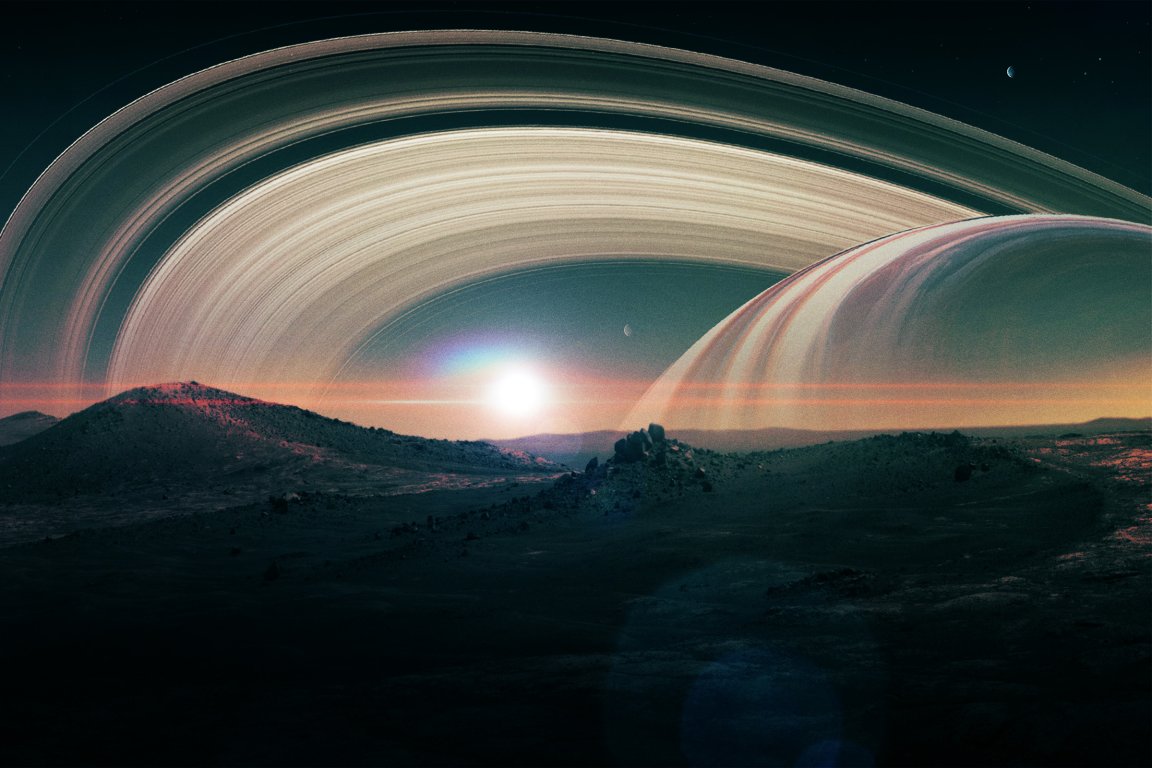
Titan's surface is rich in hydrocarbons, including propane and butane, which could be used for rocket fuel and other products. Nixon stated, “if not a permanent habitat, Titan could still be an excellent stopover for spacecraft to refuel or restock a variety of raw materials.”8
Looking ahead, the extraction of helium-3 from Titan's atmosphere is planned for 2028, positioning it as a critical resource for future expeditions to the outer solar system. The research suggests that Titan could serve as a launch pad for exploring other moons of Saturn, such as Enceladus and Mimas, and eventually become a way station for deeper space exploration.
“NASA scientists highlight Titan's unique resources, including hydrocarbons and helium, making it an ideal candidate for future human settlement. The moon's abundant materials could support long-duration missions and serve as a launch pad for further exploration.”
 Inbox.lv