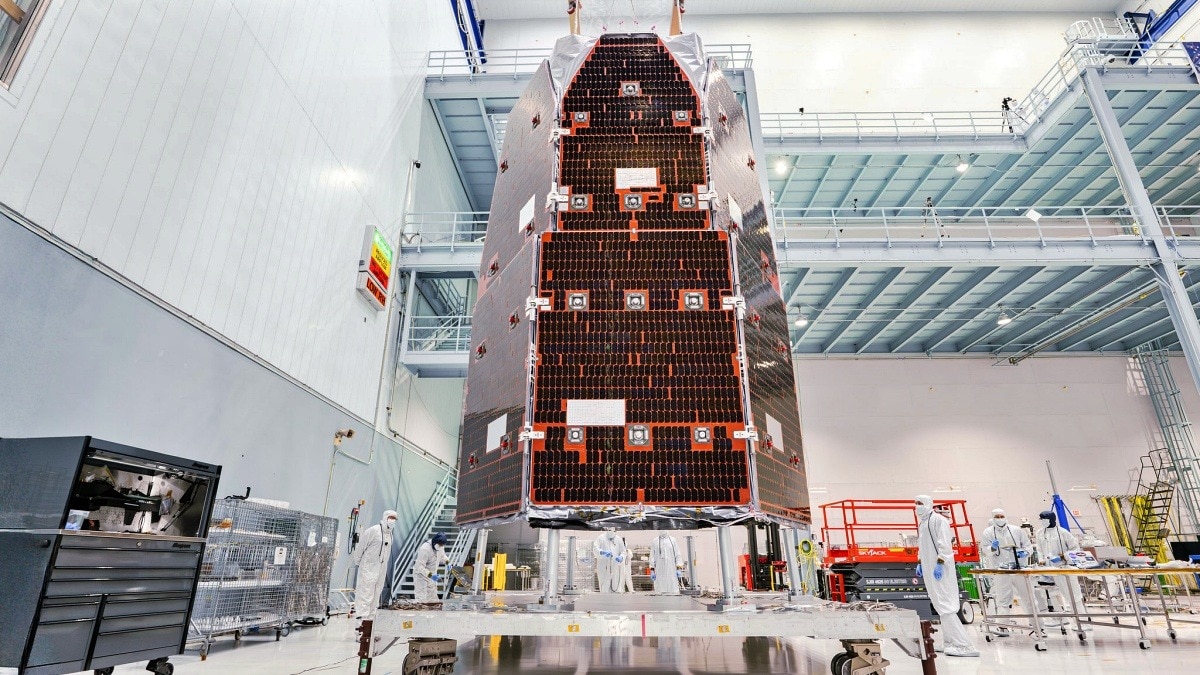
- NASA has officially set Sunday, August 30, 2026, as the launch date for its highly anticipated telescope, the space agency's next major space observatory after the James Webb Space Telescope.
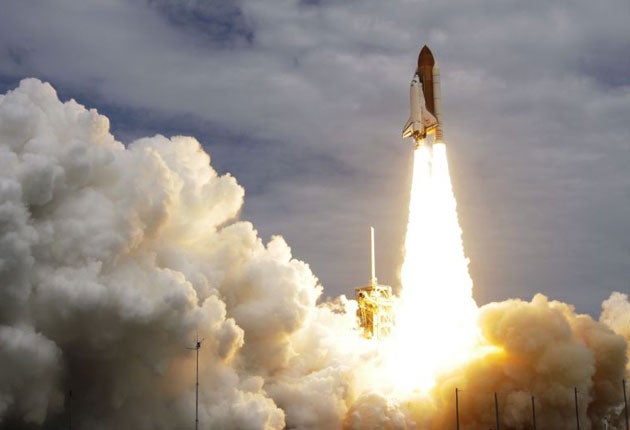
- The spacecraft is scheduled to lift off aboard a SpaceX Falcon Heavy rocket from Launch Complex 39A at Kennedy Space Center in Florida at around 4:56 pm IST.
- The mission is launching nearly nine months ahead of its original schedule.
- The Nancy Grace Roman Space Telescope will be able to capture images of space at least 100 times larger than the existing Hubble telescope.
- Roman's wide-field surveys are expected to help scientists investigate why the universe's expansion is accelerating, a phenomenon linked to the mysterious force known as dark energy.
- NASA recently completed fuelling the spacecraft with hydrazine, clearing one of the final major milestones.
- The telescope will also allow for a statistical census of planetary systems in the galaxy, helping untangle the riddle of dark energy.
- The observatory will downlink approximately 1.4 terabytes of data per day to ground stations in New Mexico, Australia, and Japan.
Nasa has officially set August 30, 2026, for the launch of the Nancy Grace Roman Space Telescope, a mission designed to tackle some of the universe's most profound mysteries, particularly those related to dark energy. The telescope, named after Nasa's first chief astronomer, will be launched aboard a SpaceX Falcon Heavy rocket from Kennedy Space Center in Florida at around 4:56 pm IST.1245
The Roman Space Telescope is expected to conduct wide-field surveys that will help scientists understand why the universe's expansion is accelerating, a phenomenon linked to dark energy. Julie McEnery, Roman telescope senior project scientist, stated, “Roman is poised to conduct revolutionary surveys that will impact every area of astronomy.” The telescope will also allow for a statistical census of planetary systems in the galaxy, potentially confirming current hints that the standard model of the universe is incorrect.7
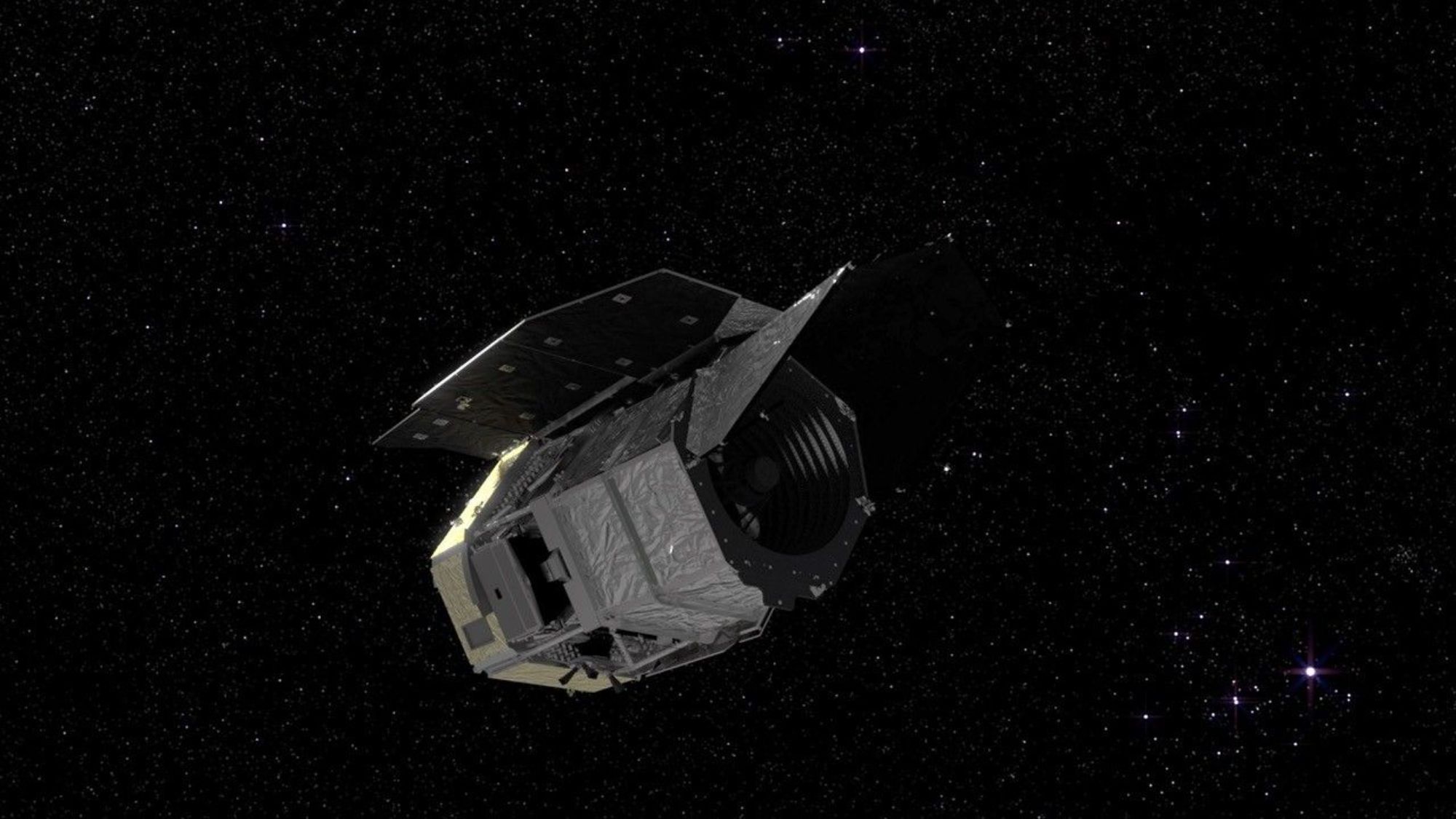
The observatory is designed to downlink approximately 1.4 terabytes of data per day to ground stations in New Mexico, Australia, and Japan. In comparison to the Hubble Space Telescope, which has produced 400 terabytes of data over 35 years, Roman is expected to generate over 500 terabytes of data per year. Jackie Townsend, Roman telescope project manager, expressed excitement about the mission, saying, “I’m truly excited about the way that it’s going to change our understanding of the universe.” The mission is launching nearly nine months ahead of its original schedule, marking a significant milestone for NASA's exploration of the cosmos.38
“The Roman Space Telescope will downlink approximately 1.4 terabytes of data per day to ground stations in New Mexico, Australia, and Japan. Julie McEnery, senior project scientist, stated that Roman is poised to conduct revolutionary surveys that will impact every area of astronomy.”
 The Independent



