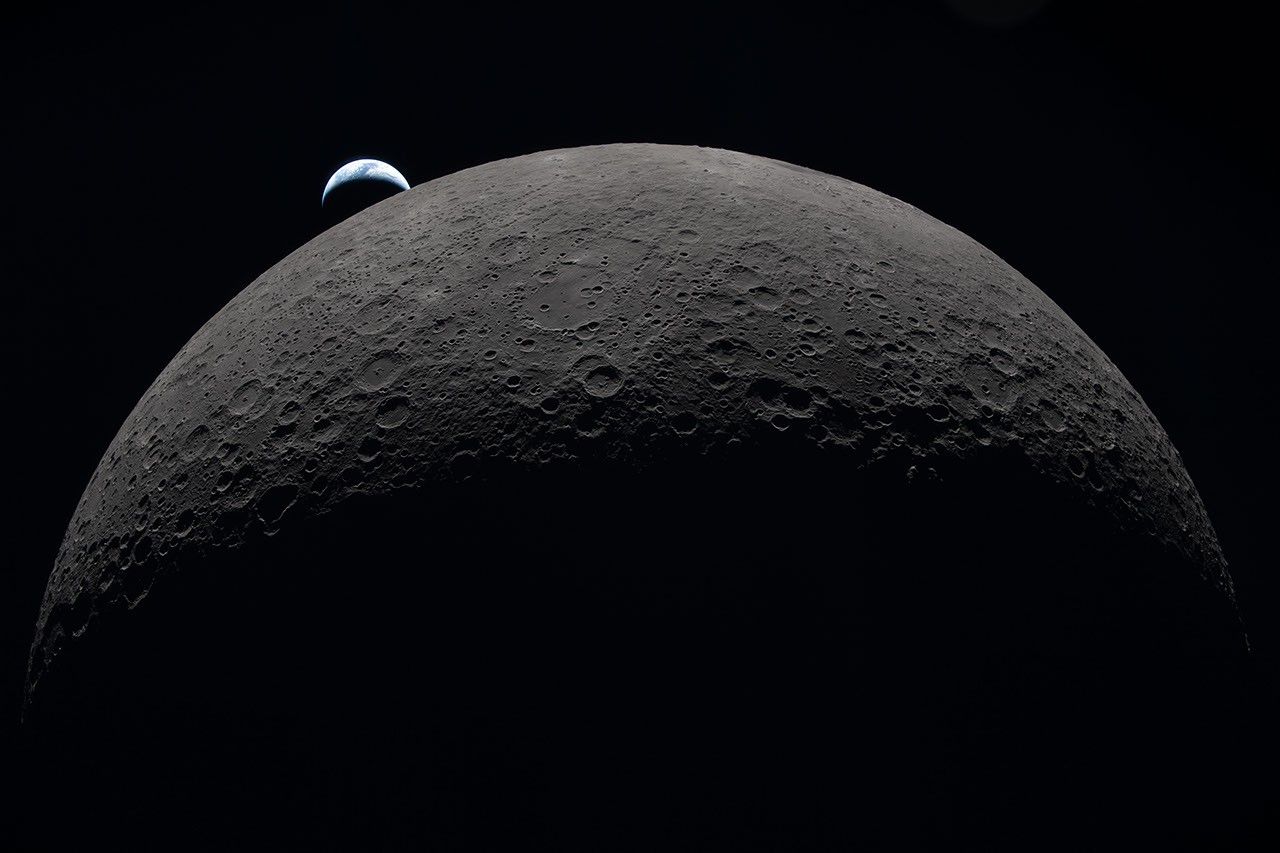
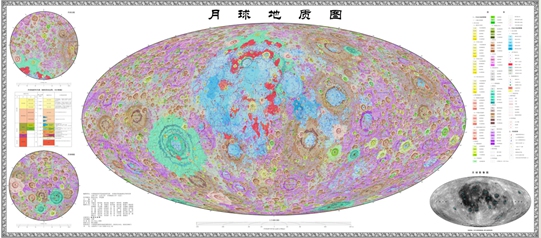
- Chang'e 7, China's next robotic mission to the moon, is set to launch soon, as announced by the China Manned Space Agency.
- On Wednesday morning, a Long March 5 carrier rocket with the Chang'e 7 probe was moved to its launch service tower at the Wenchang Space Launch Center in Hainan province.
- The Chang'e 7 lunar probe is scheduled for launch at an appropriate time, according to the China Manned Space Agency (CMSA).
- The Chang'e-7 Lunar Probe completed related work in the technical area of the Wenchang Spacecraft Launch Site on August 19, 2026.
- The Chang'e 7 mission aims to achieve breakthroughs in multiple key technologies, including high-precision soft landing and exploration of permanently shadowed craters.
- The mission will utilize a comprehensive detection approach involving orbiting, landing, roving, and hopping to conduct surveys of the lunar south pole.
- The Chang'e 7 mission will also involve international cooperation.
China's Chang'e 7 lunar mission is poised for launch as preparations at the Wenchang Space Launch Center finalize. The mission, which includes an orbiter, lander, rover, and a small flying robot, aims to explore the lunar south pole for water ice.17
The Long March 5 Y14 carrier rocket carrying the Chang'e 7 probe was transferred to the launch service tower on Wednesday, with the China Manned Space Agency (CMSA) confirming that all systems are operational. The mission is expected to employ a comprehensive detection approach, including orbiting, landing, and roving to conduct environmental surveys.
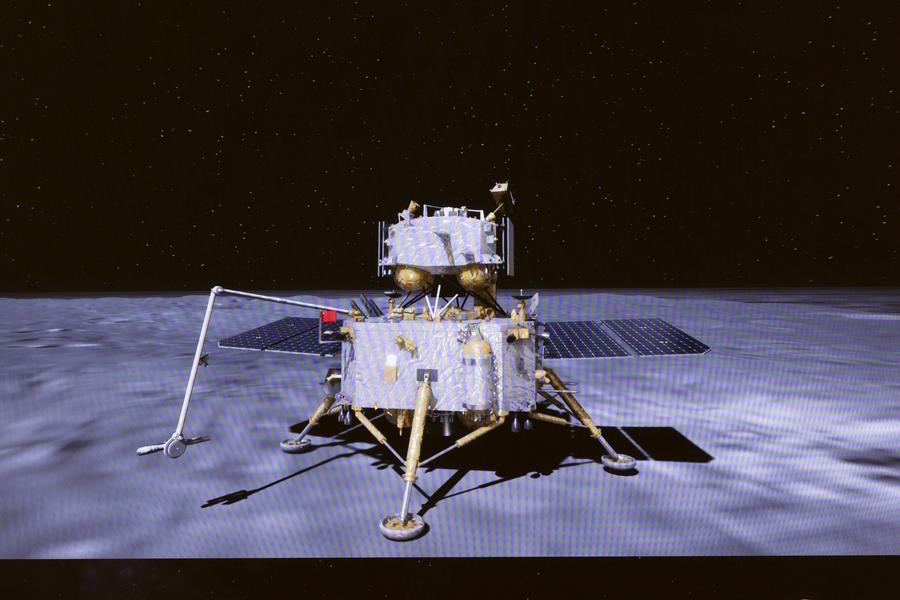
The Chang'e 7 mission is significant for its focus on high-precision soft landing and exploration of permanently shadowed craters, which are believed to harbor ice. The CMSA has indicated that the mission will also involve international cooperation.5
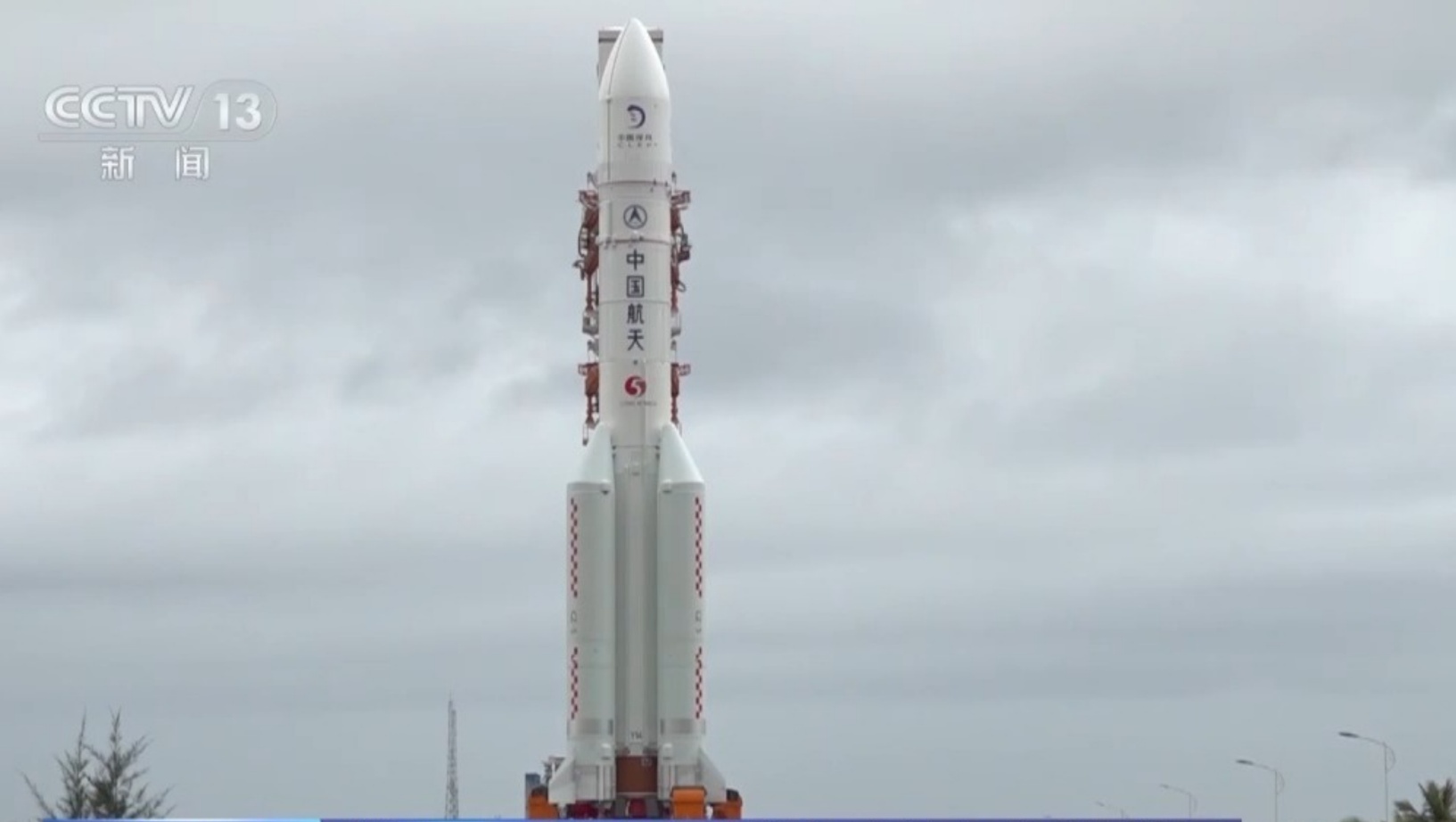
The Chang'e 7 probe and Long March 5 rocket arrived at the launch site in April and July, respectively, and have since undergone assembly and testing. The CMSA stated that functional checks and propellant filling will be completed before the launch.
This mission follows China's previous successful lunar explorations and represents a continued commitment to advancing space technology and exploration.
“The Chang'e 7 mission aims to explore the lunar south pole using an orbiter, lander, rover, and a small flying robot to search for ice. The China Manned Space Agency confirmed that all facilities and equipment at the launch site are in good condition, with functional checks scheduled before the launch.”
 news.cgtn.com