- China is preparing to launch its Chang'e 7 lunar mission to search for water ice in permanently shadowed craters near the moon's south pole.
- The uncrewed mission will feature the deployment of a robotic lander, rover, and a hopping probe to explore one of the coldest places in the solar system.
- The Chang'e 7 spacecraft is scheduled to lift off from the Wenchang Space Launch Site atop a Long March 5 rocket, with a landing attempt estimated around November.
- The mission aims to explore shadowed craters for water ice, which could be crucial for future lunar bases.
- In 2018, NASA detected water ice on the moon and confirmed it in 2020, expanding knowledge about lunar resources.
- In 2023, India's Chandrayaan-3 successfully landed near the moon's south pole and found critical new evidence of water through soil temperature readings.
- The Chang'e 7 mission is part of a broader international interest in the moon's south pole, where the United States, India, and Russia are also targeting.
China's Chang'e-7 mission is set to launch from the Wenchang Space Launch Site, aiming to explore the moon's south pole for ice water in shadowed craters. The mission includes a lander, rover, and a novel hopping probe designed to access hard-to-reach areas.2345
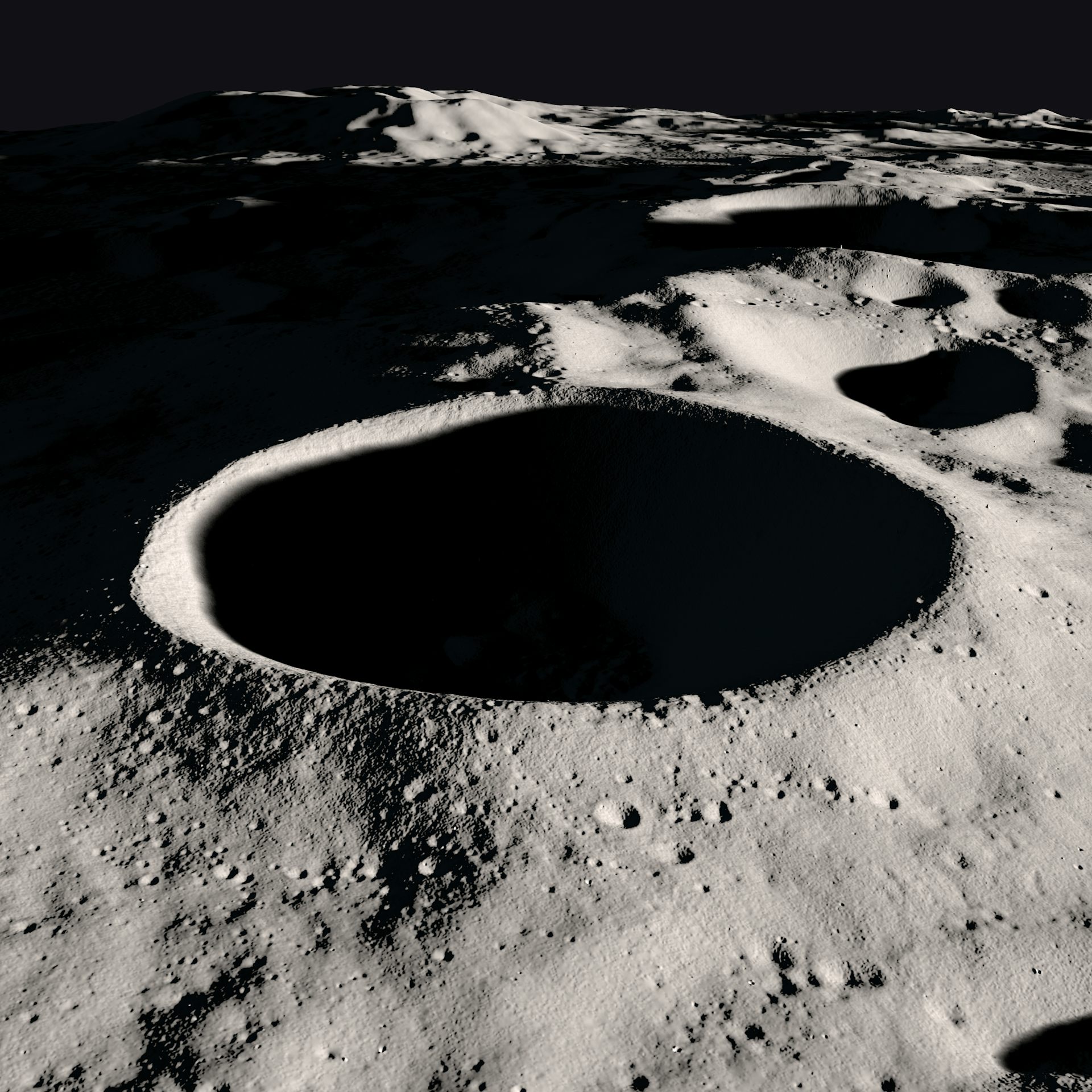
The hopping probe will utilize small thrusters to navigate into shadowed craters, conducting at least three hops during its mission. This innovative approach is crucial as craters in this region have not seen sunlight for billions of years, potentially preserving ancient water and organic compounds.
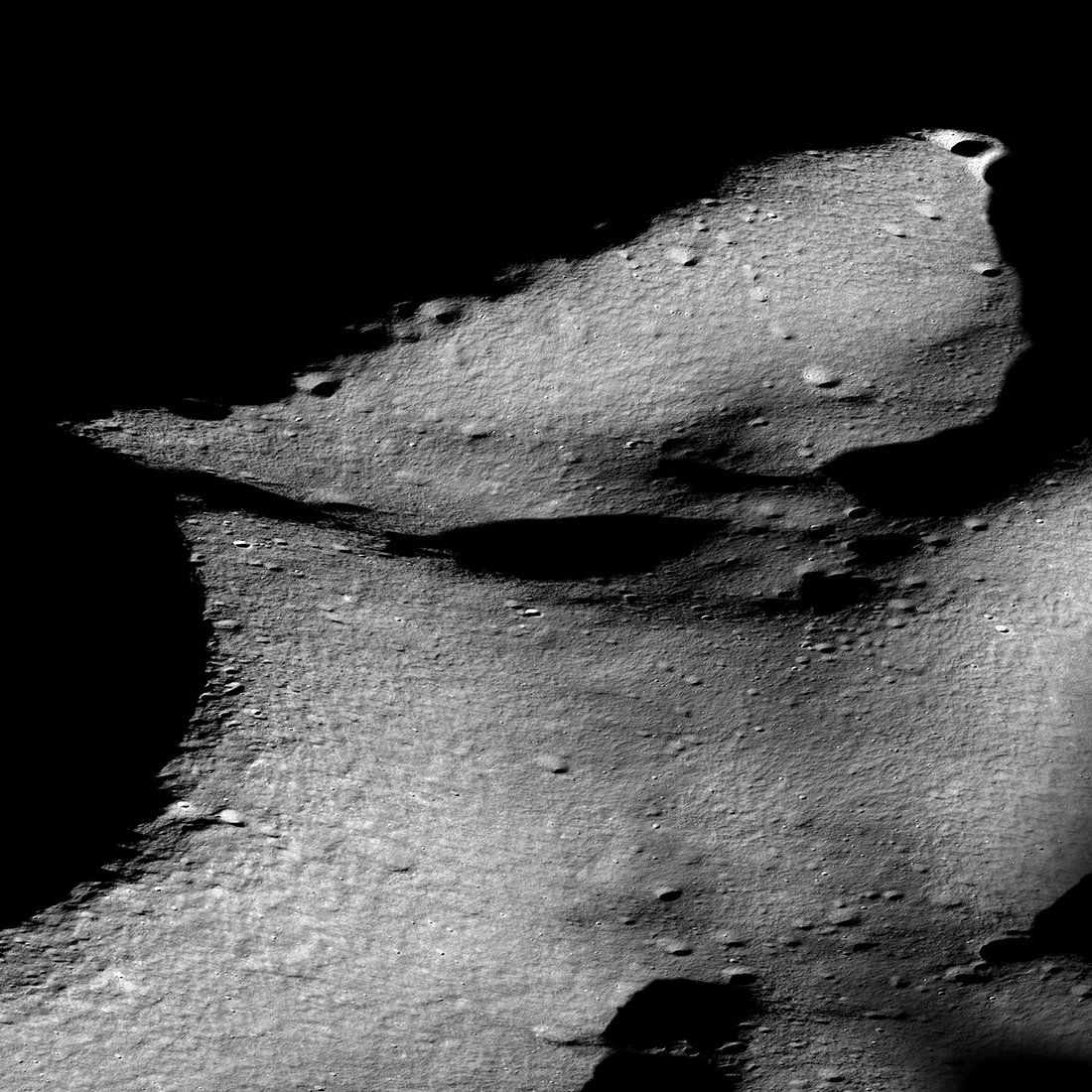
Temperatures in these areas can plummet to minus 203 degrees Celsius (minus 334 Fahrenheit), making them some of the coldest places in the solar system. Finding accessible water is vital for future lunar bases, as it could provide drinking water, oxygen, and raw rocket propellant, significantly reducing the need for resupply missions from Earth.

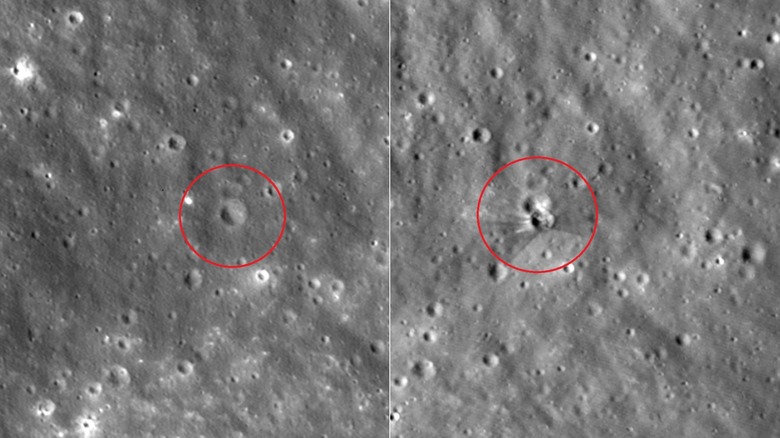
The Chang'e-7 mission is part of China's broader lunar exploration strategy, which includes a planned crewed landing by 2030. The data collected will inform future missions, including the upcoming Chang'e-8, expected around 2029. Previous missions, such as Luna-25 and Chandrayaan-3, have also targeted the moon's south pole, highlighting the region's significance in the search for lunar resources.7
The 1967 United Nations Outer Space Treaty prohibits any nation from claiming sovereignty over the moon, emphasizing the collaborative nature of space exploration.
“The mission will deploy a six-legged hopping probe to jump into shadowed craters, a first for lunar exploration, and aims to find accessible water that could support future bases. China plans a crewed landing by 2030, with Chang'e 8 following around 2029.”