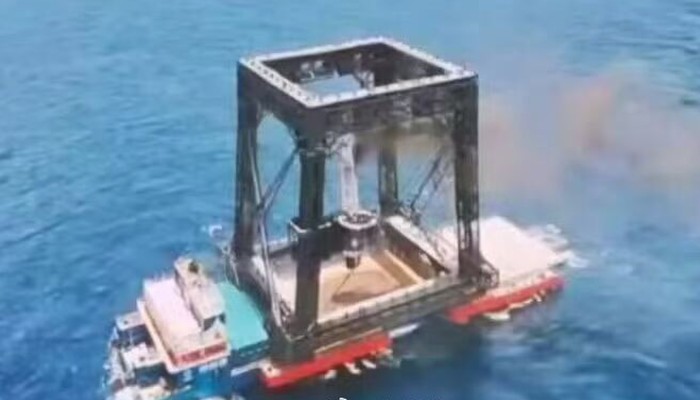
- China succeeded in recovering part of its Long March-10B reusable rocket on its maiden launch on July 10, 2026, marking the country’s first controlled orbital-class booster recovery and making it only the second nation in the world to achieve the feat.
- The rocket's first stage was caught by a sea-based net-capture system, marking a breakthrough in rocket reusability.
- About six minutes after the first and second stages of the rocket separated, the first stage returned vertically and was caught by the Linghangzhe recovery platform, according to state media.
- The maiden flight validated the rocket’s design for first-stage reusability and was expected to help cut launch costs, state broadcaster CCTV said.
- The Long March 10B, China's newest rocket model, made history as the first Chinese launch vehicle to be successfully recovered after an orbital mission.
- This mission marks China's first successful controlled recovery of a launch vehicle and the world's first network-based recovery of a launch vehicle.
- The Long March 10B is a two-stage rocket that stands about 207 feet (63 meters) tall, according to the state-owned CASC, the main contractor for China's space program.
- In reusable mode, the Long March 10B can loft about 16 tons of payload.
- Reusable rockets are a crucial pathway for large-scale, free access to space in the future, supporting the trend towards lower-cost, higher-frequency space launches.
- The launch and first-stage recovery missions were a complete success.
China has achieved a significant milestone in space exploration with the successful recovery of its Long March 10B rocket after its maiden launch on July 10, 2026. This event marks the first-ever recovery of an orbital-class rocket using a sea-based net system, making China the second country, after the United States, to master reliable rocket reusability technology.1
The Long March 10B, a two-stage rocket standing at 63.6 meters tall, lifted off from the Hainan International Commercial Aerospace Launch Center. Approximately six minutes post-launch, the first stage was captured by the Linghangzhe recovery platform, demonstrating a unique recovery method distinct from those used by SpaceX.3
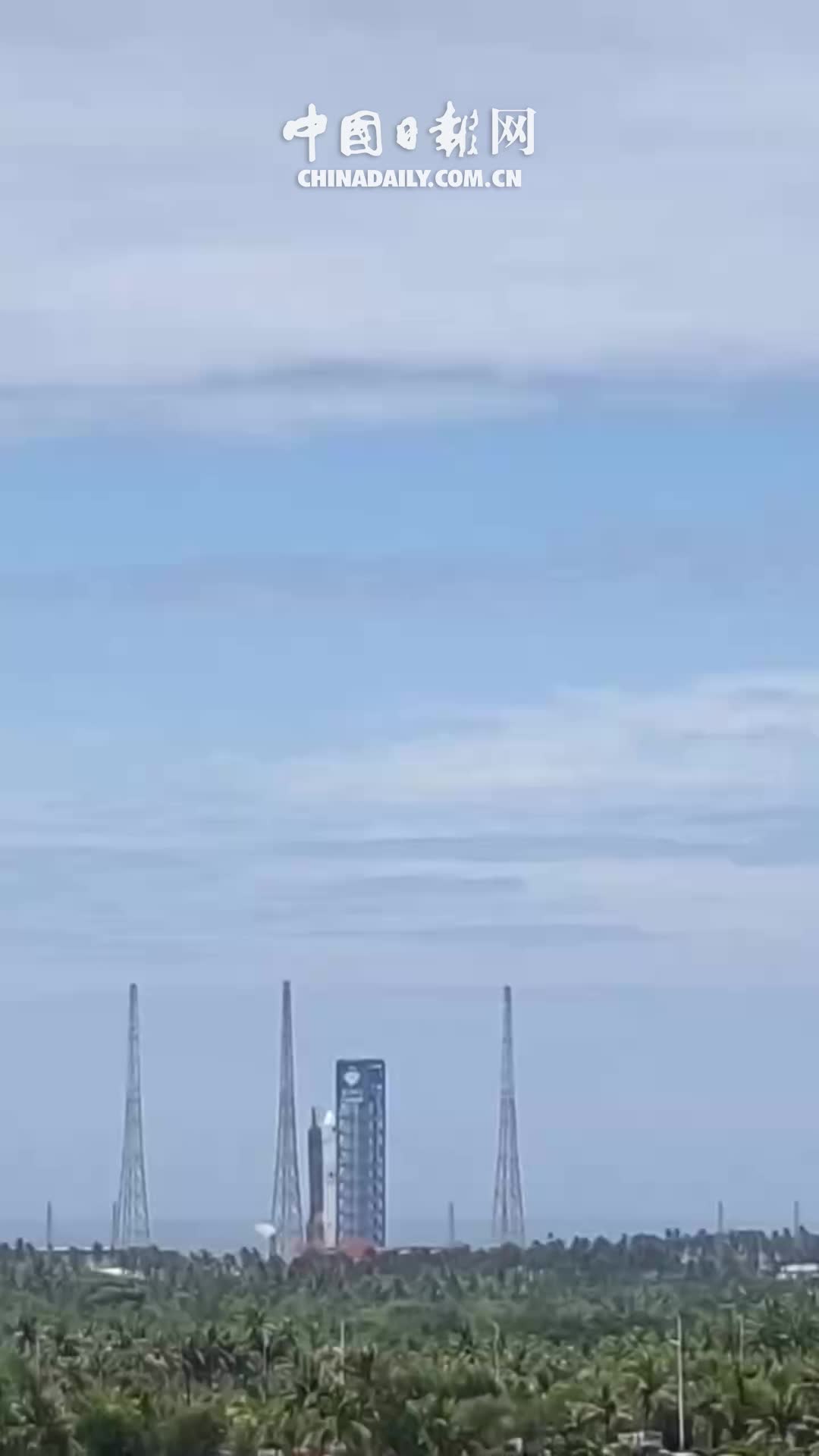
According to the China Aerospace Science and Technology Corporation (CASC), this mission signifies a historic breakthrough in reusable rocket technology. “This mission marks my country's first successful controlled recovery of a launch vehicle and the world's first network-based recovery of a launch vehicle,” a CASC official stated.
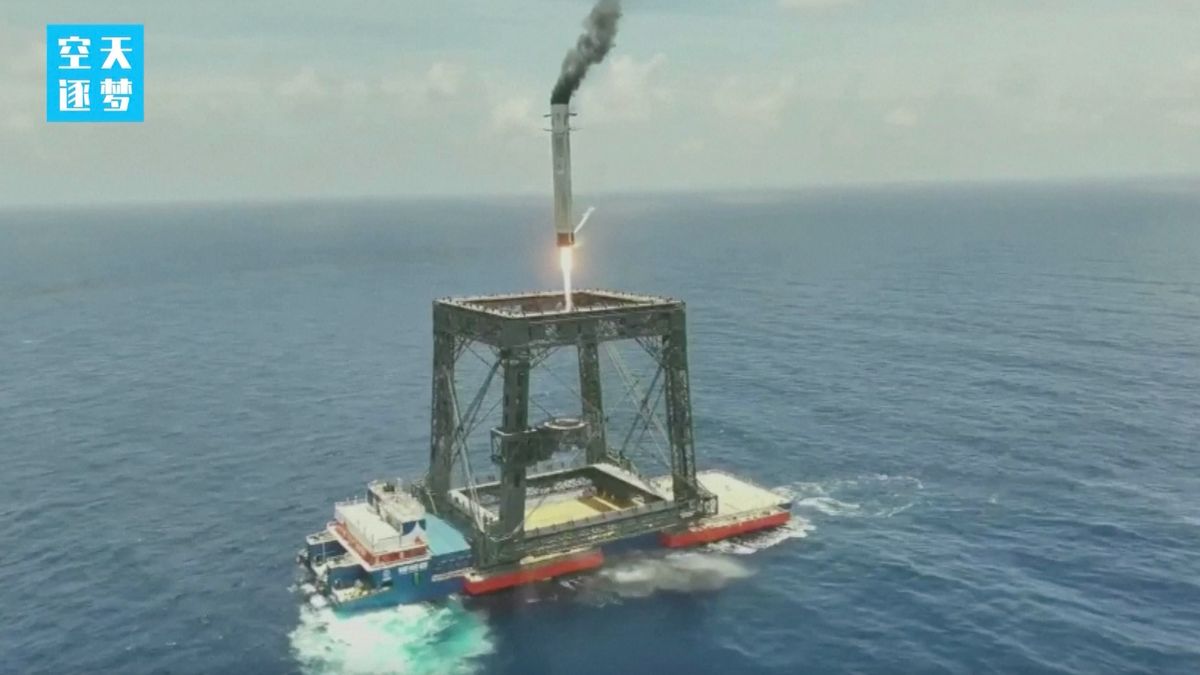
The successful recovery is expected to reduce launch costs significantly, enhancing China's capabilities for future space missions. CASC plans to refly the first stage by the end of the year, further solidifying its advancements in space technology.
“Reusable rockets are a crucial pathway for large-scale, free access to space in the future,” said Jiang Zhou, a structural systems expert at CASC, emphasizing the importance of this technology for lower-cost, higher-frequency space launches.9
“The Long March 10B's maiden flight validated its design for first-stage reusability, which is expected to significantly reduce launch costs. Jiang Zhou from CASC emphasized that reusable rockets are crucial for enabling large-scale, cost-effective access to space in the future.”

 South China Morning Post



