- VinFast has reportedly paused plans to deepen localisation of three electric vehicles in India as the Vietnamese automaker reassesses development costs.
- The affected programmes include VF3, VF6 and VF7, according to a Reuters report citing sources and a supplier memo.
- VinFast entered the Indian passenger vehicle market in September 2025 with VF6 and VF7.
- VinFast inaugurated its first manufacturing facility in India at Thoothukudi with committed phased investments of up to ₹16,000 Cr ($2 Bn) and an additional $500 Mn in December.
- VinFast has clarified that its plans for VF6 and VF7 currently sold in India have not been suspended.
- Both electric SUVs will continue to be assembled at the company’s Indian manufacturing facility.
- VinFast plans to design, develop, and manufacture vehicles specifically for India as it prepares to expand its operations in the country.
- A July memo reportedly instructed suppliers to hold all activities associated with development work for the three programmes.
- VinFast has asked suppliers to provide details of investments already made, including expenditure on tooling, engineering and materials.
- VinFast had been working with suppliers to develop and source components locally for VF3, VF6 and VF7.
- VinFast received approval for Phase 2 of Thoothukudi plant expansion, which is an important step towards expanding capacity.
VinFast has temporarily paused localisation efforts for its VF3, VF6, and VF7 electric vehicles in India, citing an inability to meet targeted costs for local component development. The company has requested suppliers to halt all activities related to these models while it reassesses its strategy.
Despite this pause, VinFast confirmed that assembly of the VF6 and VF7 will continue at its Thoothukudi facility, which has an initial capacity of 50,000 vehicles annually, scalable to 1.5 lakh units. The company has sold around 10,000 vehicles in India so far, including those supplied to its affiliated ride-hailing service, Green SM.4
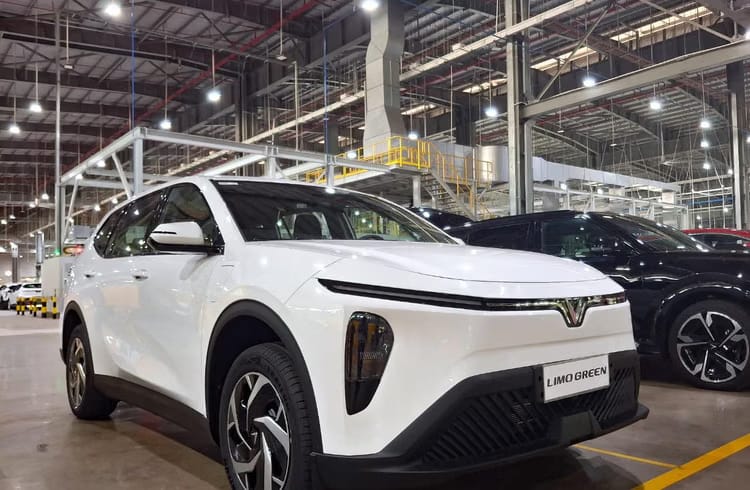
The VF3, a compact two-door SUV, was expected to help VinFast penetrate the more affordable segment of India's EV market. Local sourcing was deemed crucial for maintaining competitive pricing in this price-sensitive sector. A spokesperson stated, “For upcoming models, VinFast’s approach is not simply to bring existing products from our global portfolio into the market, but to design, develop and manufacture products specifically for India.”

VinFast is also working to expand its local supplier base and has held conferences with over 300 Indian suppliers to explore sourcing opportunities. The company is committed to aligning with the Indian government's 'Make in India' initiative and is engaging with government agencies to support further production and investment in the country.
The pause in localisation does not indicate a halt in sales, as VinFast continues to assemble the VF6 and VF7 from completely knocked-down kits imported from Vietnam. The company remains focused on its long-term strategy in India, aiming to rank among the top electric vehicle brands in the market.
“The pause follows a July memo instructing suppliers to 'hold all activities' and request for investment details, raising questions about compensation for tooling and engineering costs. VinFast has received approval for Phase 2 of its Thoothukudi plant, with committed investments up to ₹16,000 Cr ($2 Bn) and an additional $500 Mn.”
 RushLane