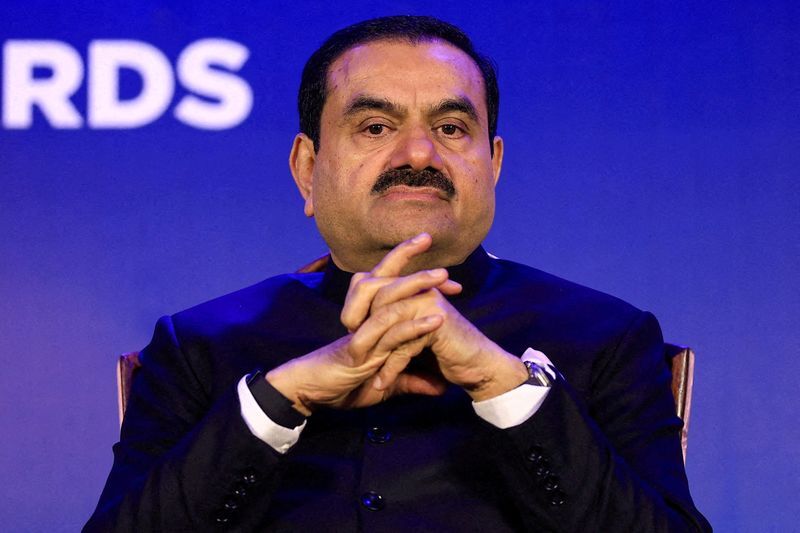
- A U.S. judge on Monday dismissed criminal charges against Indian billionaire Gautam Adani, after the Justice Department said it had dropped the fraud and bribery case.
- Brooklyn-based U.S. District Judge Nicholas Garaufis' decision to grant federal prosecutors' rare bid to toss the case came after he probed their reasons for doing so, including by asking Adani whether anything was promised in exchange for the dropping of the case.
- In November 2024, before the charges were unsealed, Adani had promised to invest $10 billion in the United States.
- Adani was charged in 2024 with agreeing to bribe Indian government officials so a subsidiary of his Adani Group could win approval to develop a solar energy plant, then misleading U.S. investors by providing reassuring information about his company's anti-corruption practices.
- On May 18, the Justice Department announced it would no longer pursue the case.
- In a July 4 court filing, Trent McCotter, a senior Justice Department official, said the case was primarily foreign, hard to prove and inconsistent with the agency's current priorities.
- Garaufis asked the Justice Department to justify its decision to drop the charges, writing that its "bland and conclusory" announcement did not give him enough information.
- In a sworn declaration filed in court on July 15, Adani said he was not aware of any such agreement.
A U.S. judge dismissed criminal charges against Indian billionaire Gautam Adani on Monday, following the Justice Department's decision to drop a fraud and bribery case. The case stemmed from allegations that Adani agreed to bribe Indian officials for approval of a solar energy project and misled U.S. investors about his company's anti-corruption practices.1
Brooklyn-based U.S. District Judge Nicholas Garaufis granted the federal prosecutors' request to dismiss the case after questioning their rationale. He noted that the Justice Department's announcement was "bland and conclusory" and lacked sufficient justification.27
On May 18, the Justice Department announced it would no longer pursue the case, citing its foreign nature and the challenges in proving the allegations. In a July 4 filing, senior Justice Department official Trent McCotter stated that the case was inconsistent with the agency's current priorities.56
Garaufis sought clarification from Adani regarding any agreements related to the case's dismissal. In a sworn declaration, Adani denied any knowledge of such an agreement but acknowledged a previous commitment to invest $10 billion in the U.S. His lawyer, Robert Giuffra, confirmed that the Justice Department had indicated the investment would not influence the case's resolution.3
Adani Group has consistently denied any wrongdoing, maintaining that the allegations were unfounded and that the dismissal of the case was a vindication of their position.
“The dismissal followed a rare judicial probe into the DOJ's decision, with Judge Garaufis questioning whether any deal was struck. Adani, who had pledged $10 billion in U.S. investment, denied any agreement, while his lawyer said the DOJ assured it wouldn't consider that pledge in any resolution.”




