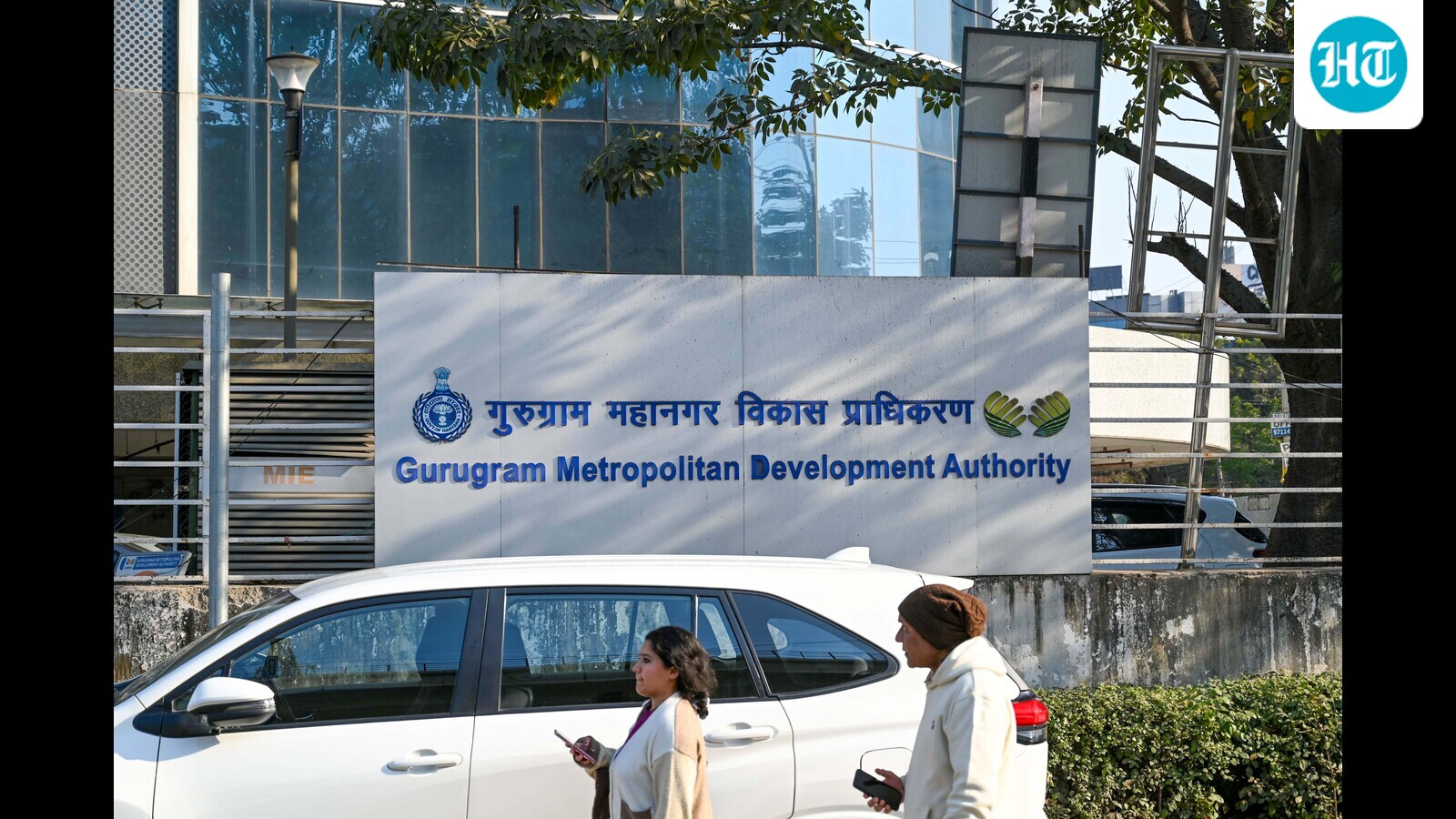
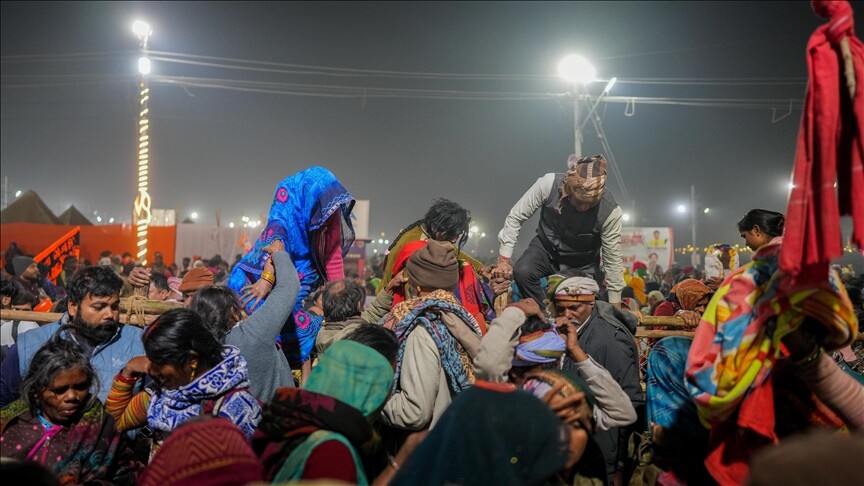
- India's senior-living market is shifting from traditional retirement destinations to urban areas like Gurugram and Noida, driven by a wealthier generation of retirees seeking independence while remaining close to family and healthcare.
- The market was estimated at $3.55 billion in 2025 and is projected to reach $14.14 billion by 2031, indicating a significant growth trajectory.
- 22 licences have been issued for senior-living developments in the past four years, with about six projects already launched.
- Developers like Ashiana Housing, Antara, and Pioneer Urban are expanding their presence in the senior-living segment, with a luxury project in Gurugram's Sector 63 expected to generate around ₹2,000 crore in revenue.
- Senior living was previously linked to quieter retirement destinations like Dehradun, Coimbatore, and Puducherry, but is now evolving to meet the needs of a more active and affluent retiree demographic.
- Today's retirees are healthier and financially independent, seeking to remain connected to urban life while enjoying the benefits of senior living.
India's senior living market is experiencing a significant transformation as affluent retirees increasingly prefer urban living over traditional retirement towns.6
Gurugram and Noida are emerging as prime locations, attracting both specialist senior-living operators and mainstream developers.1
Industry experts note that today's retirees are healthier and financially independent, seeking to maintain social connections and access to healthcare while enjoying urban amenities.7
According to Mordor Intelligence, the market is projected to grow from $3.55 billion in 2025 to $14.14 billion by 2031, with a compound annual growth rate of 25.92%.2

Gurugram offers a unique combination of affluent professionals, premium housing, and a well-developed healthcare ecosystem, making it an attractive option for retirees.
Samir Jasuja, Founder and CEO of PropEquity, emphasizes that the segment is becoming an established asset class in Delhi-NCR due to its blend of quality healthcare services, metro connections, and social infrastructure.
Additionally, the demand from NRIs for professionally managed senior communities is also driving growth in this sector.
As the market evolves, access to healthcare and proximity to family remain critical factors influencing seniors' housing choices.
“India's senior-living market was valued at $3.55 billion in 2025, with a projected CAGR of 25.92% through 2031. Developers like Ashiana Housing and Antara are expanding, and a luxury project in Gurugram's Sector 63 carries an estimated revenue potential of around ₹2,000 crore.”
 LinkedIn