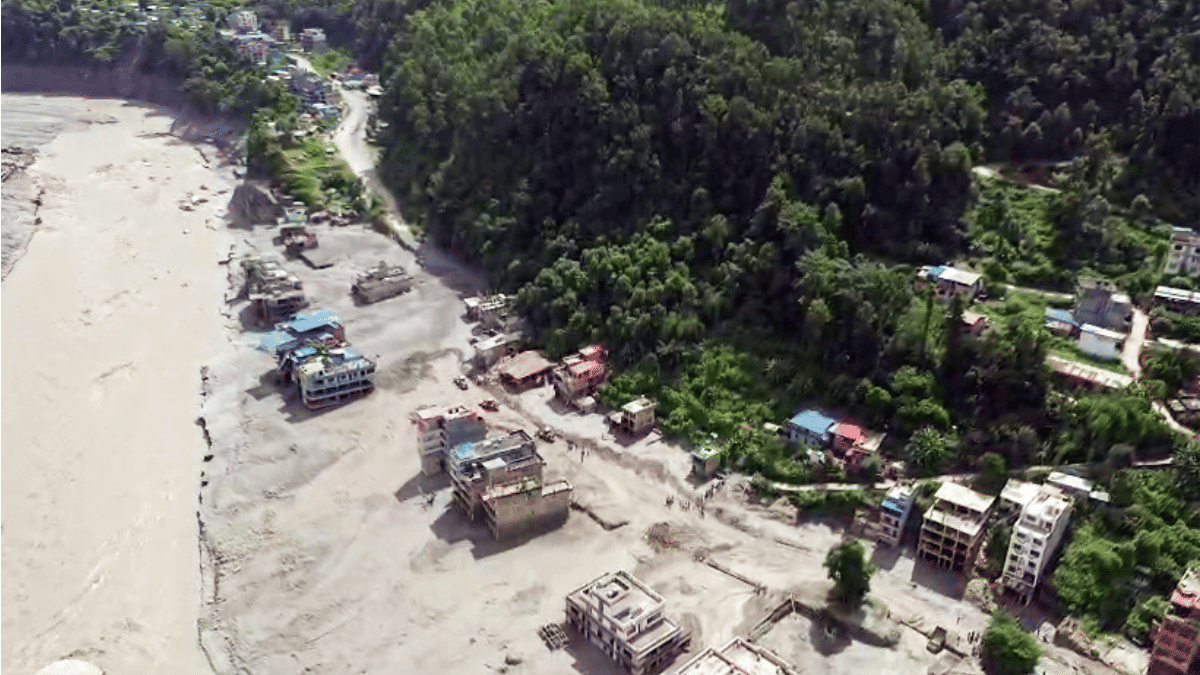
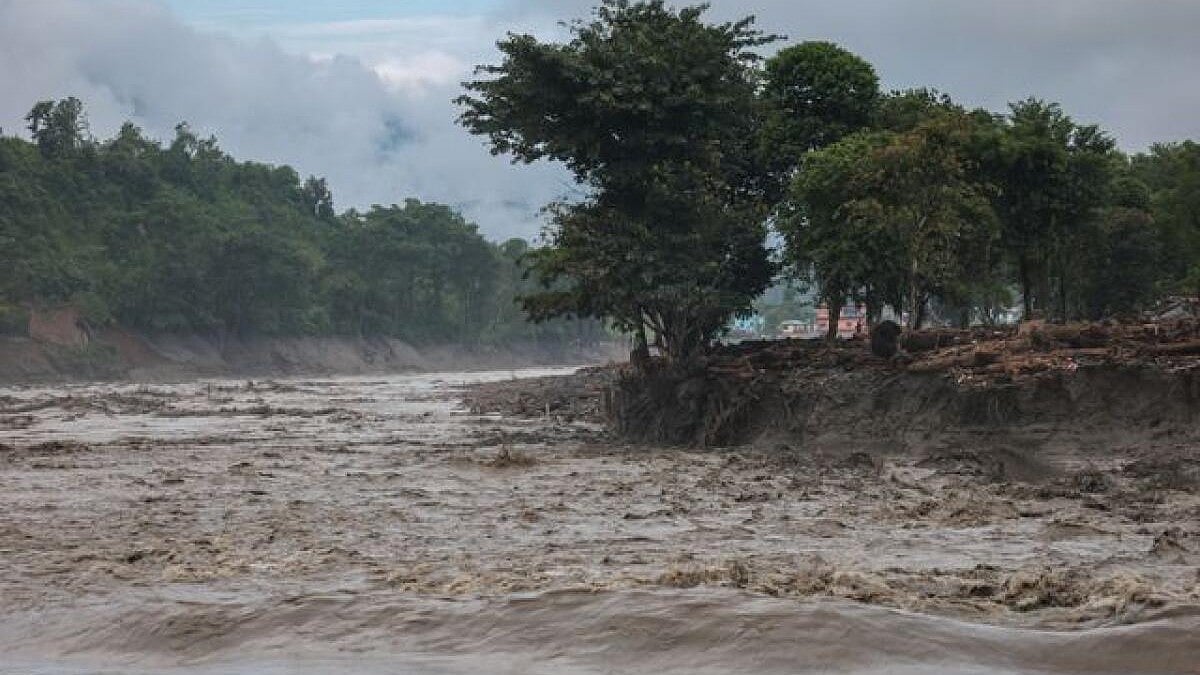
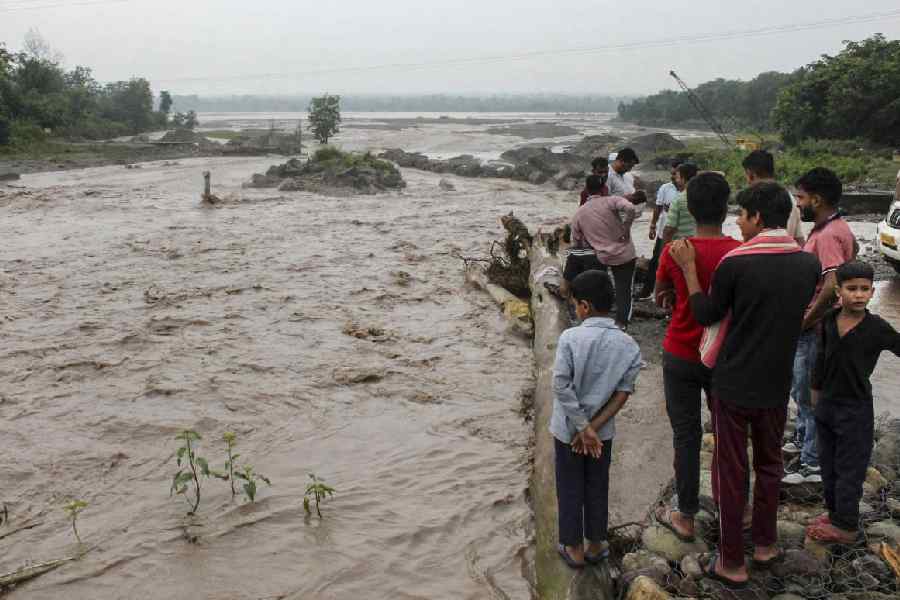
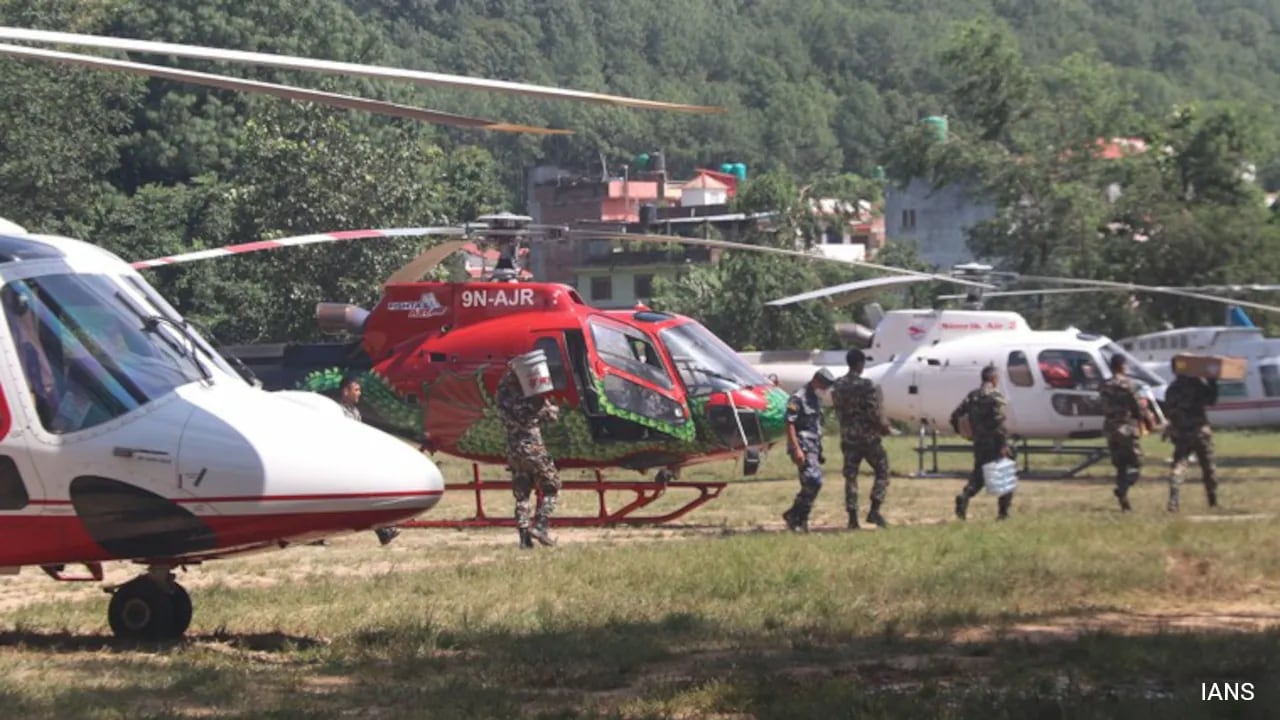
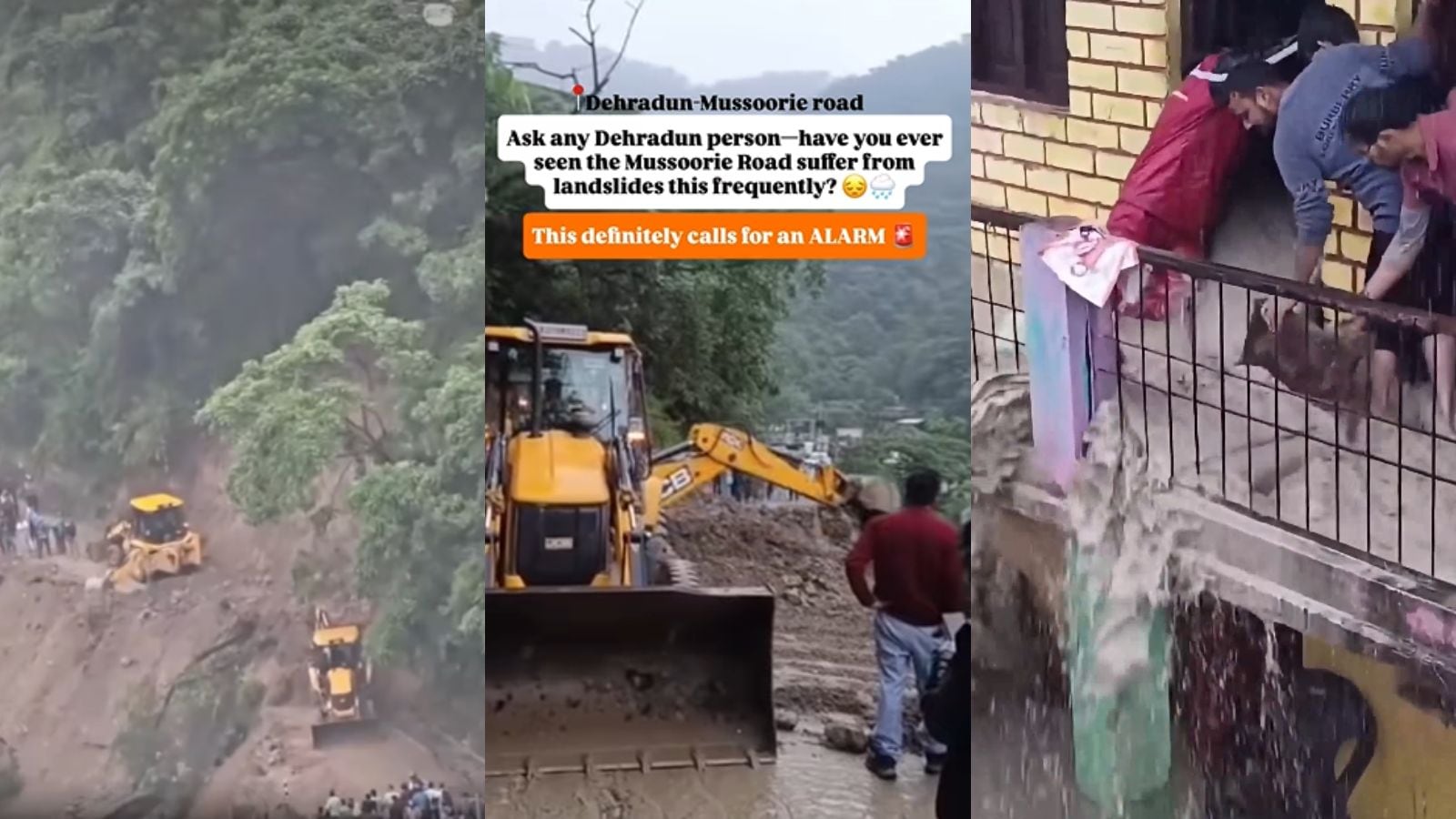
- Nepal is seeking "climate-related compensation" from the United States, India, and China -- named as the major greenhouse emitters -- for deadly flash floods in the Bhotkoshi River that swept away villages across at least three districts a week ago.
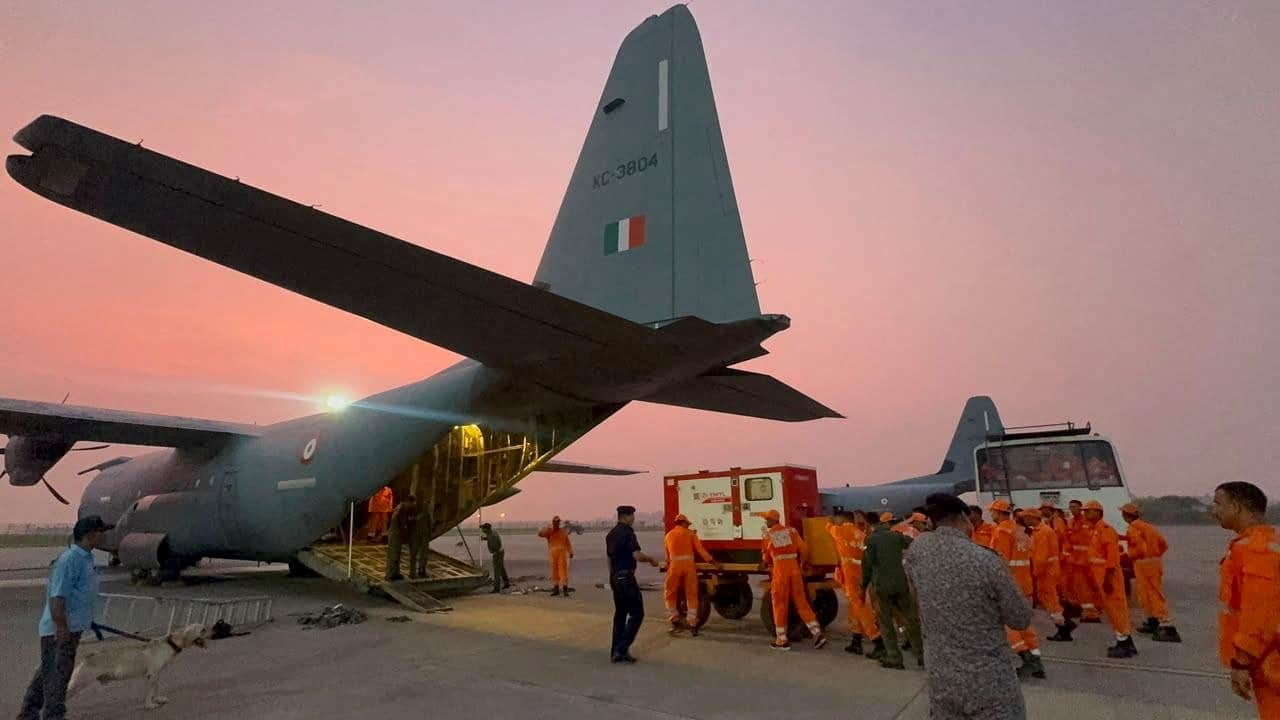
- So far, emergency teams have recovered more than 1,100 bodies, but nearly 4,500 people still remain missing after the gigantic wave of freezing water, rocks, and debris triggered by a high-altitude glacial collapse roared down the Tibet-Nepal border last week.
- Launching a diplomatic pitch to seek international monetary assistance, Nepal Foreign Minister Shisir Khanal asserted that post-disaster aid should be treated as a matter of "moral liability," "not charity."
- Nepal's finance ministry has officially dispatched a formal climate compensation claim letter to its international partners, and Nepal has formally approached the board of the Fund for Responding to Loss and Damage, seeking urgent financial assistance following the catastrophic flash flood in the Bhotekoshi river basin on August 26.
- Khanal said, "We are paying the ultimate price for a global crisis we did not create. The rapid melting of glaciers and these catastrophic mountain tsunamis are direct consequences of global climate change," and added, "This is not a matter of charity; it is a matter of legal and moral liability."
- Khanal stated, "The major industrial emitters -- such as China, which is the world's top emitter, the United States at number two, and India at number three -- have a historical responsibility to compensate vulnerable nations like Nepal."
- Khanal said Kathmandu plans to raise the issue of climate change "with absolute firmness and clarity" at international forums, and warned that if Himalayan glaciers disappear, the water security of over two billion people in South Asia dependent on rivers like the Ganges and the Trishuli will be permanently compromised, advocating for the survival of South Asian civilization.
Nepal is seeking climate-related compensation from the US, India, and China after catastrophic flash floods in the Bhotkoshi River basin claimed over 1,100 lives and left nearly 4,500 missing. Foreign Minister Shisir Khanal stated that this aid is a "moral liability," not charity.138
Khanal emphasized that the floods are a direct result of global climate change, stating, "We are paying the ultimate price for a global crisis we did not create." He highlighted the historical responsibility of major industrial emitters, including China, the US, and India, to compensate vulnerable nations like Nepal.
The Nepalese government has formally approached the Fund for Responding to Loss and Damage, seeking urgent financial assistance. A letter from Nepal's Finance Minister Swarnim Wagle and Forests and Agriculture Minister Geeta Chaudhary noted that the full scale of loss and damage is still being assessed, but preliminary reports indicate that the consequences are extensive and exceed Nepal's immediate response capacity.45
Khanal warned that the disappearance of Himalayan glaciers would jeopardize the water security of over two billion people in South Asia, dependent on rivers like the Ganges and Trishuli. He stated, "This is a matter of civilisational survival." Nepal plans to raise the issue of climate change with "absolute firmness and clarity" at international forums.910
“Emergency teams have recovered over 1,100 bodies, but nearly 4,500 people remain missing after the glacial collapse. Nepal's finance ministry has dispatched a formal claim letter, and the country has approached the Fund for Responding to Loss and Damage for urgent assistance.”