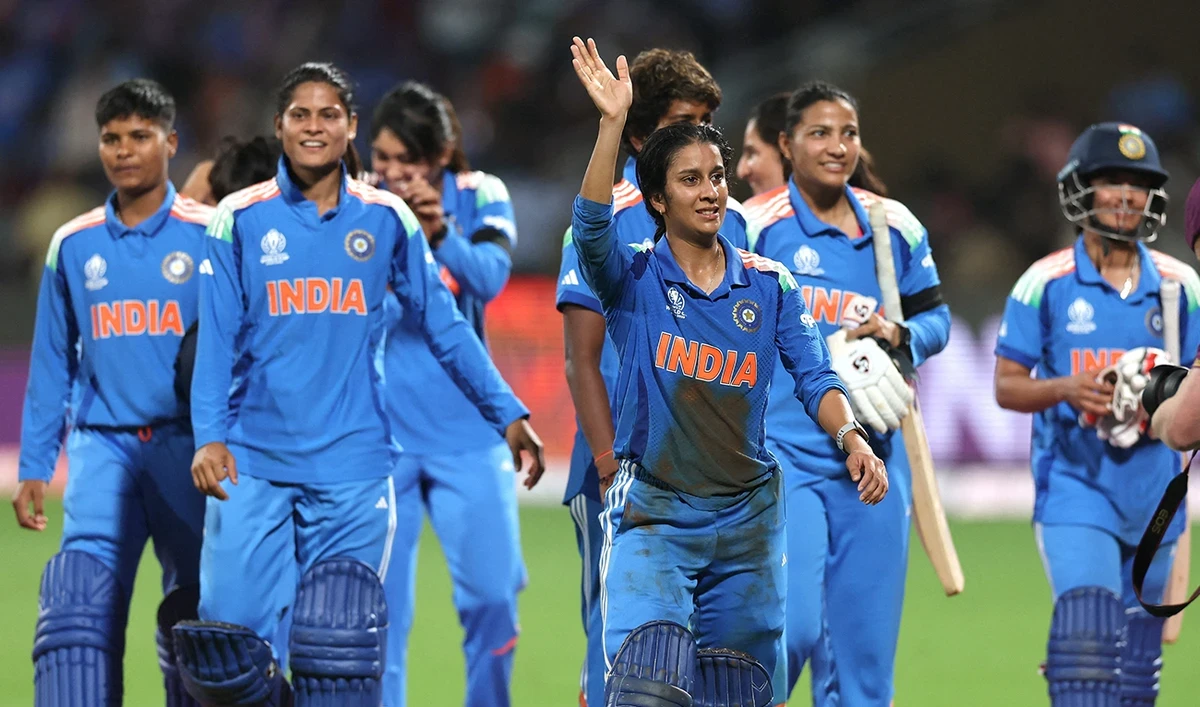
- India won the toss and elected to bat in the final against Sri Lanka.
- The opening pair of Shafali Verma and Smriti Mandhana put on a remarkable 129-run partnership for the first wicket.
- Shafali Verma scored a 24-ball fifty, marking the fastest in Women's T20 Asia Cup history.
- India finished their innings at 183/5, with G Kamalini hitting a six off the last ball.
- Sri Lanka's chase struggled as India's spinners, particularly Deepti Sharma and Sree Charani, dominated the innings.
- Sri Lanka were bowled out for 111, resulting in a 72-run victory for India and their eighth Asia Cup title.
- India's victory marks their eighth Women's Asia Cup title, extending their record in the tournament.
- This win is part of India's unbeaten campaign in the tournament, showcasing their dominance.
India produced a dominant all-round performance to secure their eighth Women’s Asia Cup title, defeating Sri Lanka by 72 runs in Dubai.
After winning the toss, captain Harmanpreet Kaur opted to bat, and openers Shafali Verma and Smriti Mandhana set a blistering pace.3
Verma scored a remarkable 24-ball fifty, the fastest in Women’s T20 Asia Cup history, while Mandhana contributed with a solid 59 off 39 balls. Together, they forged a record partnership of 129 runs for the first wicket, leading India to a total of 183 for 5.
Despite a promising start from Sri Lanka, who managed to add 58 runs for the second wicket, they crumbled under pressure, eventually being bowled out for 111.
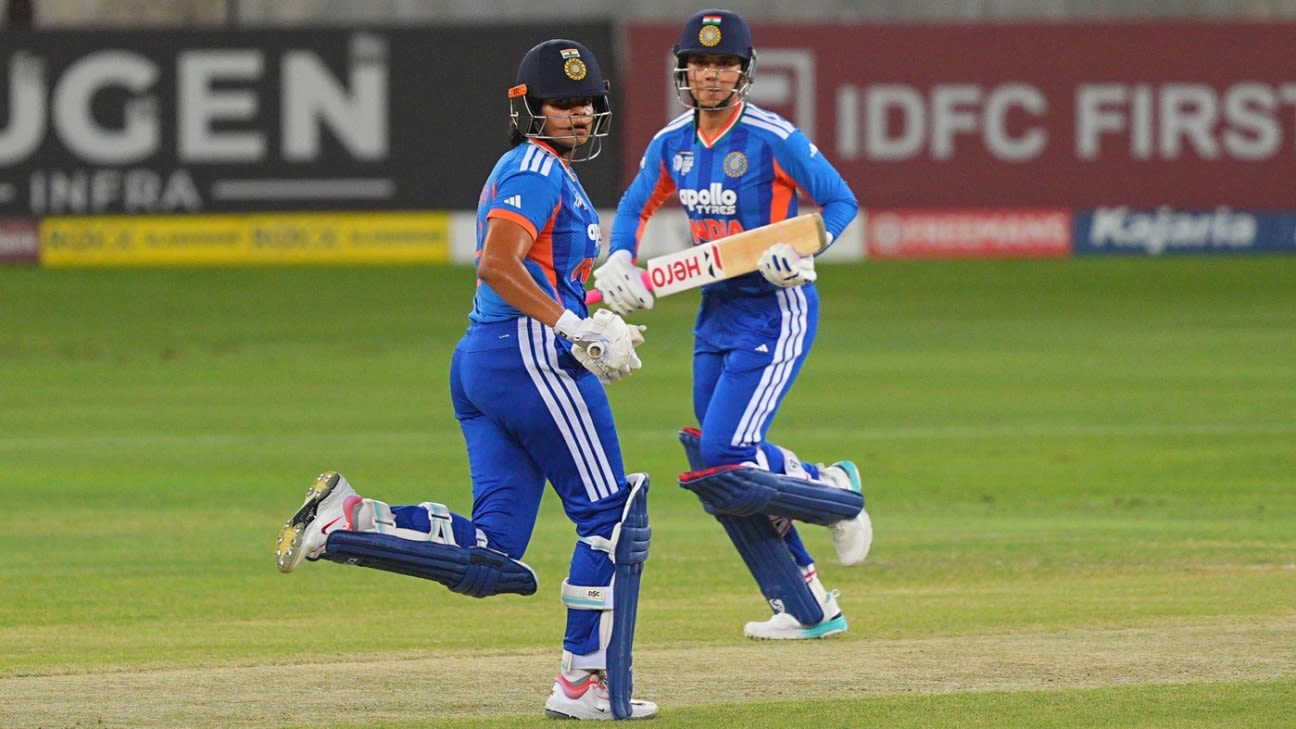
India’s bowlers excelled, with Deepti Sharma taking three wickets and Charani claiming four, as they restricted Sri Lanka effectively throughout the innings.
This victory marks India’s fourth title in the T20 format and extends their lead to 6-1 in Asia Cup final meetings against Sri Lanka.
“Shafali's 24-ball fifty was the fastest in Women's T20 Asia Cup history, and the 129-run opening stand was the highest for any wicket in the tournament. India's spinners, Deepti Sharma and Sree Charani, took seven wickets between them, with Charani finishing as the leading wicket-taker.”