- Egypt is considering joining the Mecca defense pact, but seeks to maintain its freedom of action without limitations from the agreement.
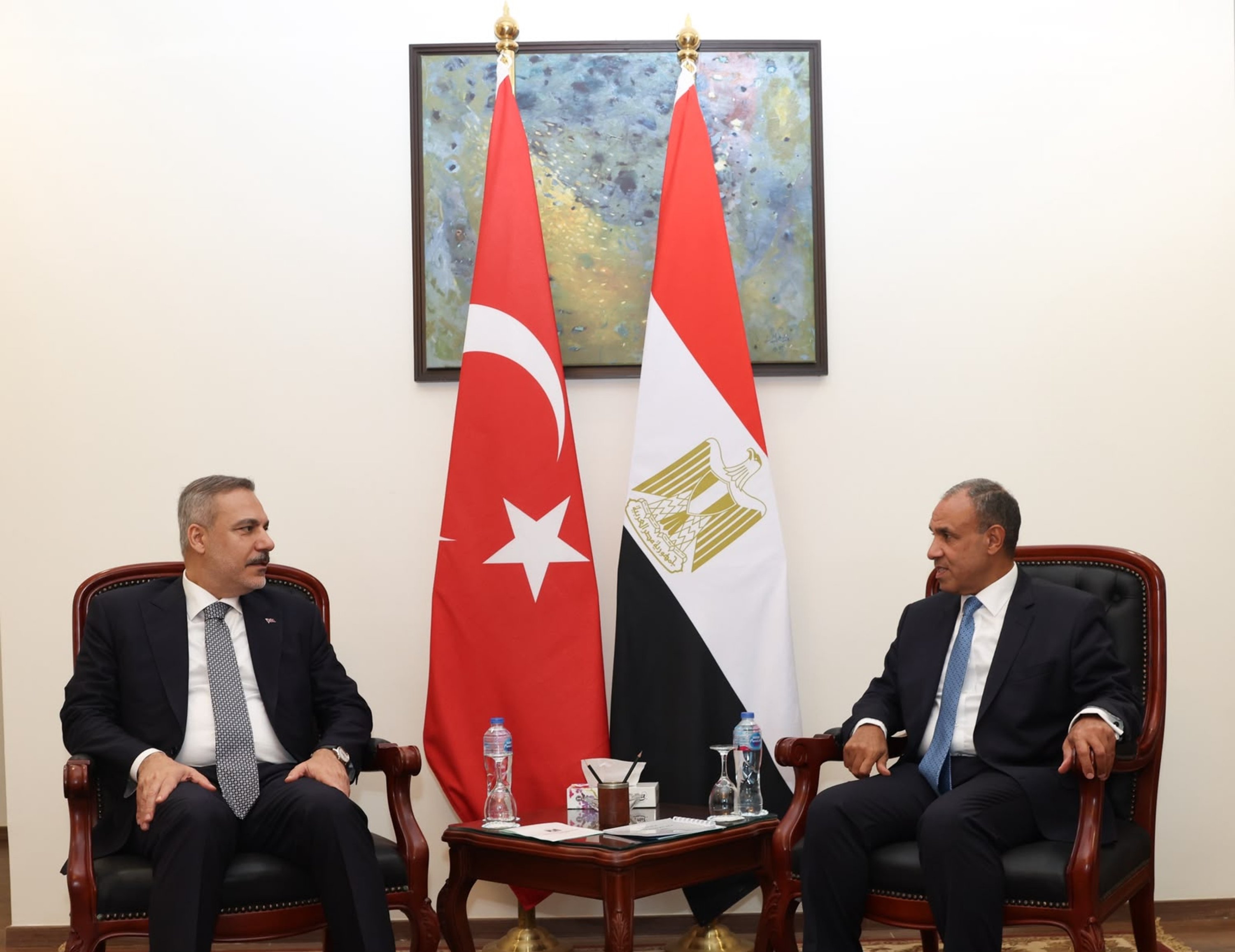
- Foreign Minister Badr Abdelatty stated that Cairo is 'still studying this question' and has not made a final decision regarding the Mecca Pact.
- Indrani Bagchi indicated that India's relationship with Egypt is a factor in its hesitation to join the Mecca Pact, describing it as 'one of the reasons' but 'the last reason'.
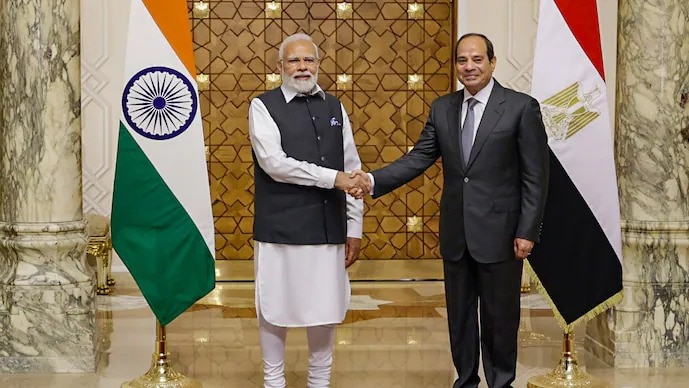
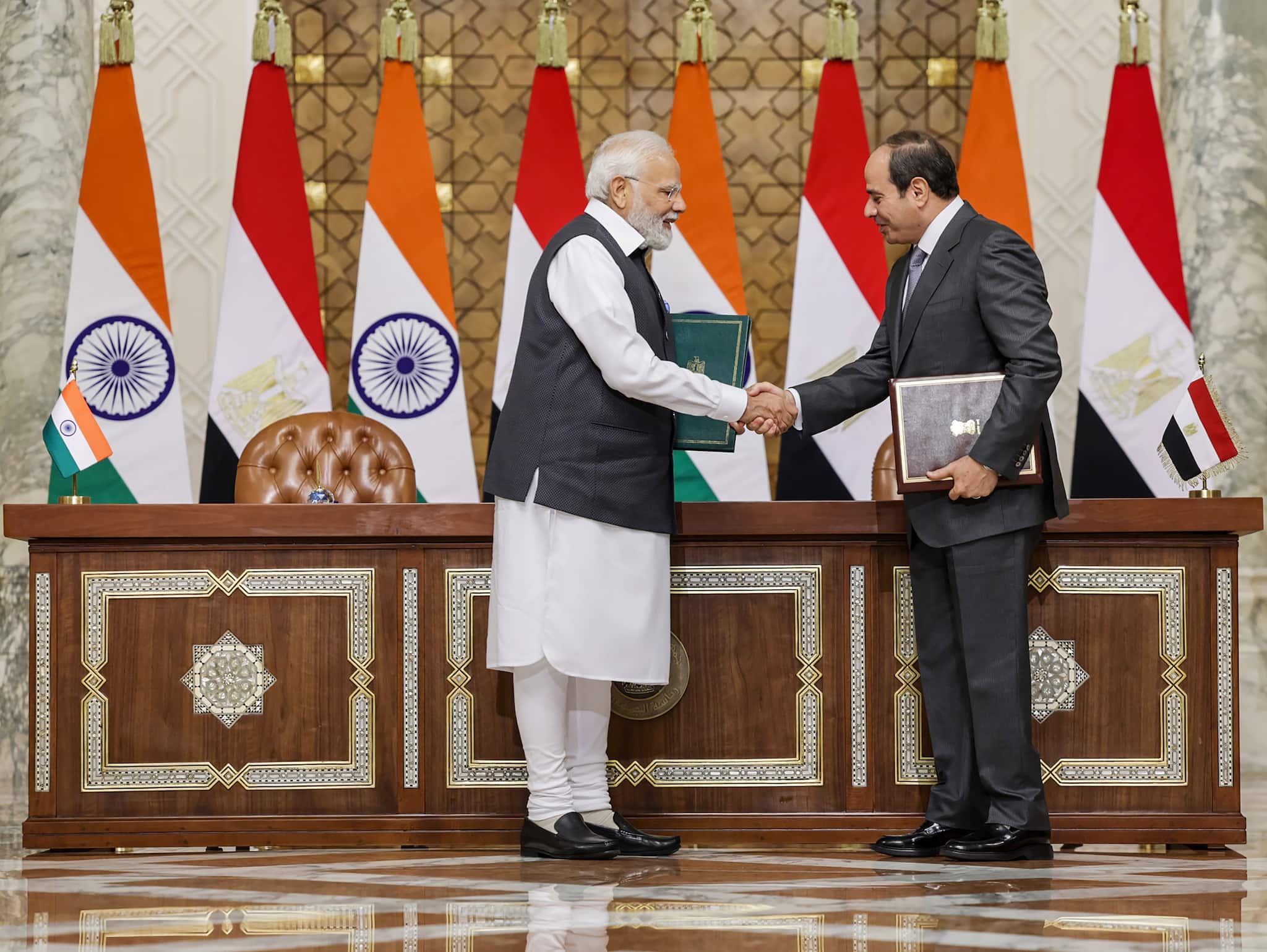
- Egypt's ties with India are deep-rooted, dating back to at least the 3rd century BCE, and include significant military cooperation and economic investments.
- Over 700 Indian companies are registered in Egypt, with investments exceeding $5.5 billion, highlighting the economic importance of their relationship.
- Egypt's strategic flexibility is a priority, as it seeks to avoid being drawn into regional alignments that could restrict its foreign policy.
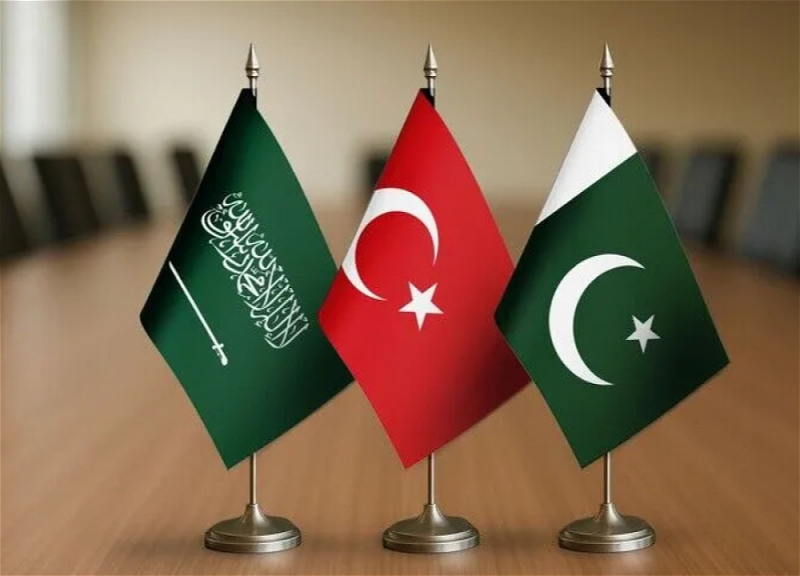
Egypt's reluctance to join the Mecca Pact, a defense alliance formed by Saudi Arabia, Turkey, and Pakistan, stems from its deep-rooted ties with India.
Foreign Minister Badr Abdelatty stated that Egypt is 'still studying this question' and has not made a final decision, highlighting the need for constitutional and legal reviews of the defense obligations involved.2
The historical relationship between Egypt and India, dating back to the 3rd century BCE, plays a significant role in Cairo's cautious approach.
Egypt's military strength, being the most powerful in Africa, alongside its economic ties with India—over $5.5 billion in investments from around 700 Indian companies—further complicates its potential alignment with the Mecca Pact.6
A senior Egyptian diplomat emphasized the importance of maintaining a 'balanced relationship with all parties' and avoiding regional alignments that could restrict its foreign policy.
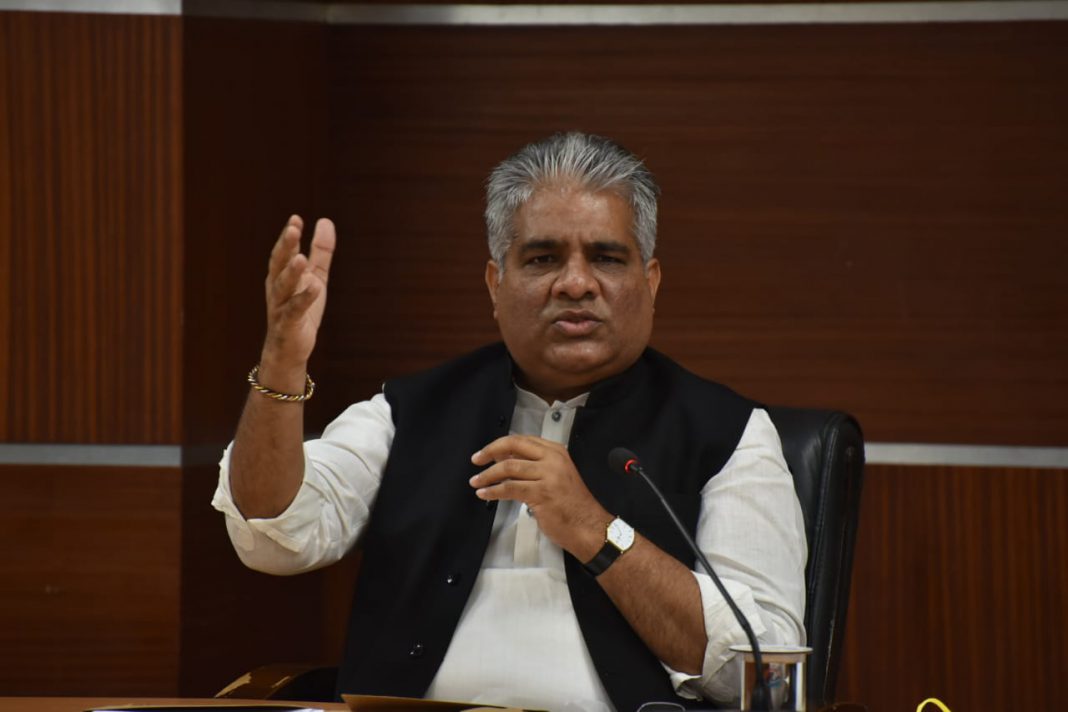
Indrani Bagchi, CEO of the Ananta Centre, noted that while India is 'one of the reasons' for Egypt's hesitation, it is not the sole factor.3
Egypt's leadership is also wary of joining a pact that includes Pakistan, which does not recognize Israel, and could signal a shift in its diplomatic stance.
As Egypt continues to deliberate, it seeks clarifications on the 'technical questions' surrounding the pact, including the involvement of its armed forces and the command structure of coalition troops.
The Mecca Pact, signed on August 7, stipulates that an attack on one member is considered aggression against all, but Egypt's participation remains uncertain as it weighs its national interests against regional dynamics.
“Egypt's Foreign Minister Badr Abdelatty emphasized that Cairo is 'seriously considering' joining the agreement, pending constitutional reviews. Meanwhile, Indrani Bagchi from the Ananta Centre highlighted that Egypt's decision reflects a desire to maintain strategic flexibility amid complex regional dynamics.”