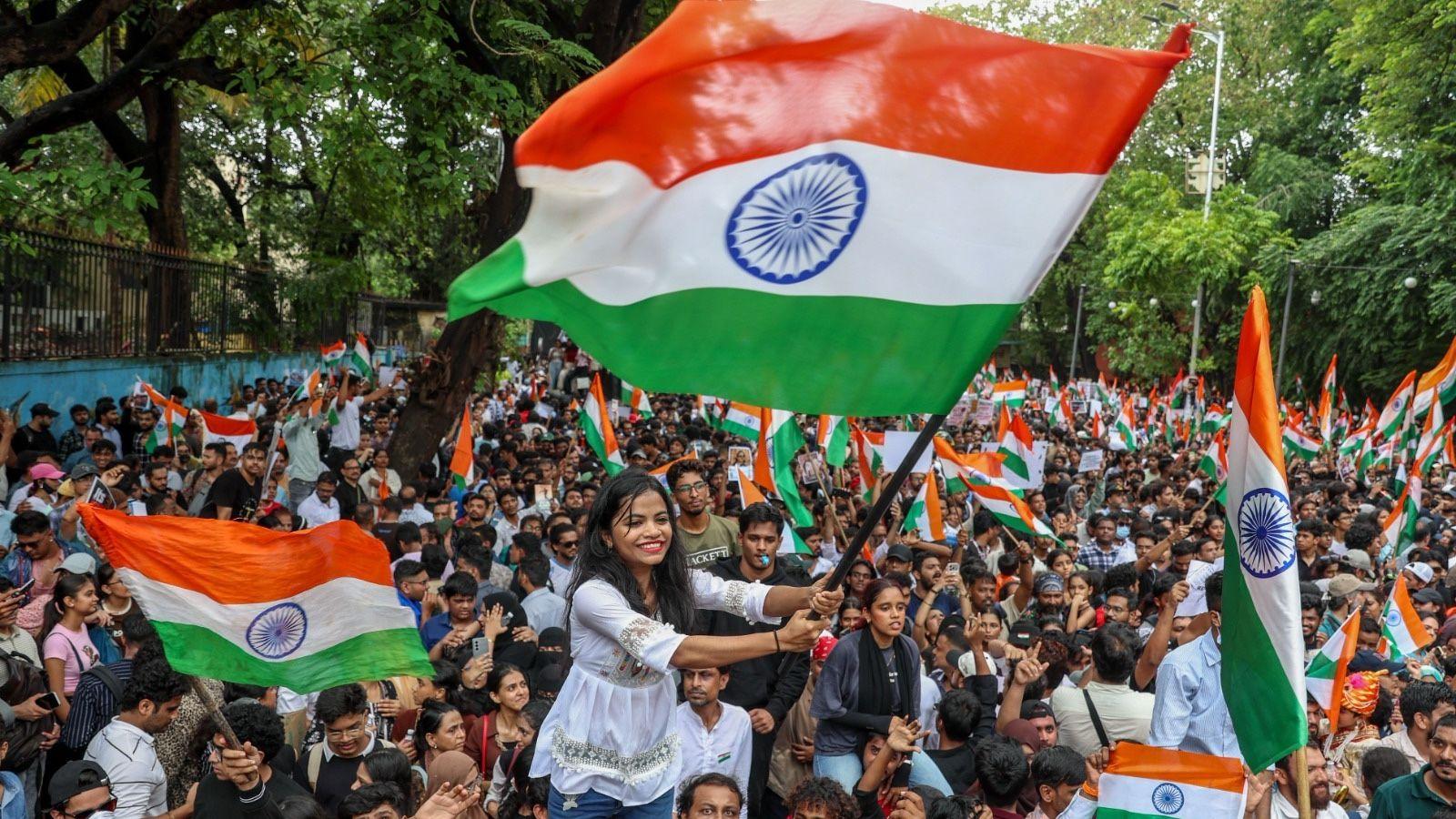
- Dharmendra Pradhan has resigned as India's education minister amid ongoing protests led by Gen Z.
- Protests led by Gen Z highlight larger issues, with one protester stating that Pradhan's resignation is 'not the end, but just the beginning'.
- For many in this generation, this is the first time they have stepped out to protest, emphasizing that there are larger issues to discuss.
- This is just the start, indicating that the government will be scared when they raise their voices next time.
- This movement has restored space for question and dissent, reminding everyone that all is not over.
- Pradhan was just an example, and the next target could be Modi himself.
- Under Modi, Indian authorities have 'routinely prosecuted activists, journalists, and peaceful protesters' using fabricated laws.
Dharmendra Pradhan's resignation as India's education minister has sparked a wave of protests, particularly among Gen Z activists who view it as a pivotal moment in their fight for change. A 26-year-old protester stated, 'this is not the end, but just the beginning.'12
This resignation is notable as it marks the first cabinet minister to step down during Prime Minister Narendra Modi's 12-year tenure, with only one previous resignation linked to sexual misconduct allegations. Protesters assert that this movement has revitalized the space for questioning authority and dissent, emphasizing that “this shows that next time the government will be scared when we raise our voices.”456
The protests reflect a broader discontent with Modi's administration, which has been criticized for its treatment of activists and journalists. Under Modi, authorities have 'routinely prosecuted activists, journalists, and peaceful protesters on fabricated counterterrorism and hate speech laws.'7
As one protester noted, “Pradhan was just an example. It's Modi's turn next.” This sentiment underscores a growing resolve among the youth to challenge the status quo and demand accountability from their leaders.
The protests signal a significant shift in the political landscape, as young people assert their right to dissent and engage in the democratic process, suggesting that this is merely the beginning of a larger movement for change.
“Protests have sparked a movement for questioning and dissent, with activists asserting that the government will be 'scared' next time voices are raised. Additionally, critics highlight ongoing repression under Modi's government, where activists and journalists face prosecution under controversial laws.”




