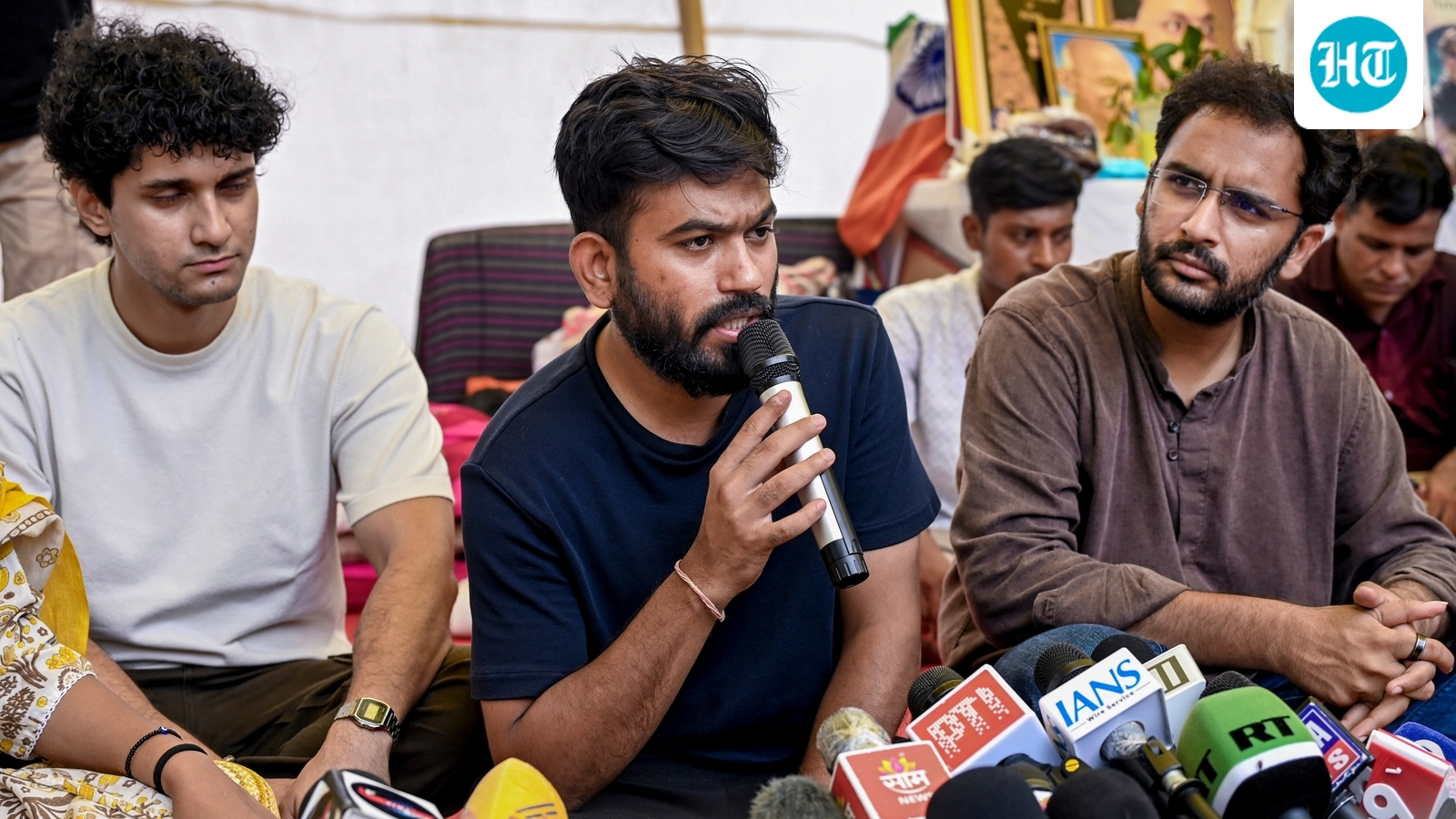
- Cockroach Janta Party (CJP) called off its nationwide protest on Saturday, July 25, after the Government of India assured that no punitive action would be taken against any protestor.
- Despite the assurances, reports flooded social media of protestors being detained across Bihar, West Bengal, and other states.
- CJP warned of another protest, as early as tomorrow, over what it calls a 'breach of agreement' regarding police action against protesters.
- Hundreds of students have been arrested in Bihar and Bengal, with many others being surveilled or harassed in Delhi and other states.
- CJP accused the government of backtracking on its promise to not file FIRs against protestors, stating that any failure to release those detained would amount to a breach of public trust.
- Several FIRs were filed against protesters across India after the July 20 'Chalo Sansad' march at Jantar Mantar, which turned violent.
- India's youth-led 'cockroach' movement has been significant in demanding reforms in the examination system, leading to the resignation of the education minister.
The Cockroach Janta Party (CJP) has issued a stern warning to the Indian government, demanding the immediate release of detained student protesters and the withdrawal of FIRs filed against them. The group claims that the government has violated previous assurances regarding no punitive action against demonstrators.1
The CJP, which organized protests over exam paper leaks and other irregularities, stated, “Any failure to release those detained or withdraw criminal cases would amount to a breach of public trust,” indicating that they would take “further necessary steps” if their demands are not met. Reports have emerged of students being detained in states like Assam, West Bengal, and Bihar, despite the government’s earlier commitment to refrain from punitive measures.
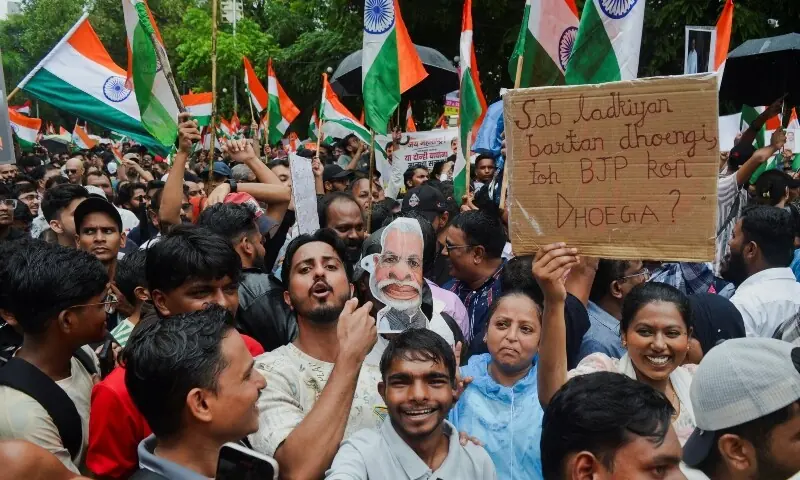
The protests, which have seen tens of thousands rallying for reforms, turned violent on July 20 when demonstrators attempted to march towards parliament. Following this, the CJP called off its nationwide protest after receiving assurances from the government, but “hours later, reports flooded social media of protestors being detained” across various states.2
CJP spokespersons have reiterated their demands, stating, “We are observing a complete breach of the agreement regarding no police action against the protesters.” They have also called for a written agreement regarding legal cases to be shared by the government. The Supreme Court has emphasized that police excesses cannot be justified during protests, affirming the right to peaceful assembly.
The CJP's actions reflect a growing discontent among students and youth in India, who are increasingly vocal about their rights and the need for accountability from the government.
“The CJP has reported ongoing detentions of students in states like Assam, West Bengal, and Bihar, despite prior assurances from the government. They emphasize that failure to release detainees or withdraw FIRs would breach public trust, prompting potential further protests.”






