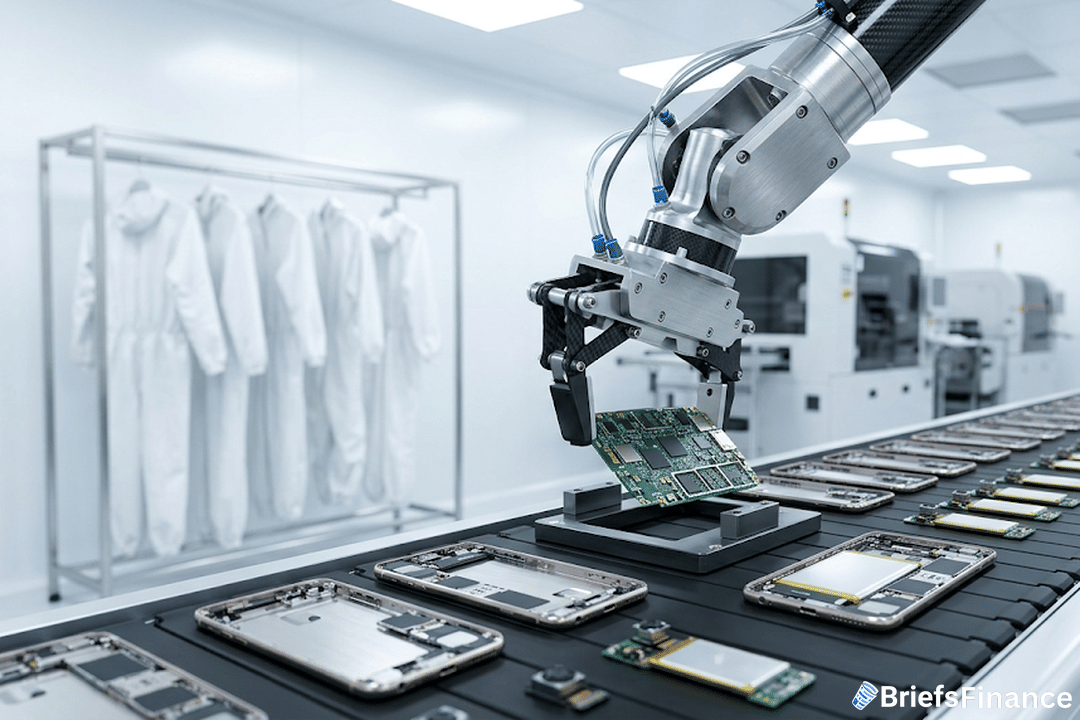
- India began assembling Apple's top iPhone 17 lineup for the first time last year.
- Apple and other U.S. companies have moved to depend less on China as political tensions rose.
- The Huaqiangbei parts shortage began gradually over the past 18 months and has accelerated recently.
- An Apple supplier was hacked as part of the iPhone 18 leak; Tata confirmed that operations kept running.
- Shenzhen technician Ma Shouhua posted a viral video with claimed specs from the leaked files.
- Beijing is using the breach as an argument for staying in Chinese supply chains.
- In Huaqiangbei, sellers say the leaked files have not yielded a working copy and at most could make phone cases.
- The hack itself may not change Apple's supply-chain direction, and it looks less worrying than it first seemed.
- The bigger signal is how hard China is fighting to keep factory work at home.
- Counterfeit iPhone makers lose part access as Apple shifts to India via Tata.
- The Shenzhen marketplace has been running dry on the one thing that made it all possible - access to genuine Apple components.
- Huaqiangbei wasn't just a counterfeit hub - it was an innovation laboratory where engineers experimented with components.
- Moving production to India didn't just change geography - it apparently tightened the entire parts ecosystem.
- The Huaqiangbei parts shortage isn't just about counterfeit iPhones - it's a real-time indicator that Apple's supply chain diversification has reached a tipping point.
China is using a recent hack of an Apple supplier, linked to the iPhone 18, to bolster its argument for maintaining local supply chains amid increasing competition from India.
The breach has raised concerns about the future of Apple's supply chain strategy, as the company shifts production to India, which is projected to handle 25% of iPhone production by 2025.
In Shenzhen's Huaqiangbei, a major electronics market known for counterfeit devices, a significant parts shortage has emerged, impacting the production of knockoff iPhones. Technicians report that access to genuine Apple components has dwindled, with the parts shortage accelerating over the past 18 months.
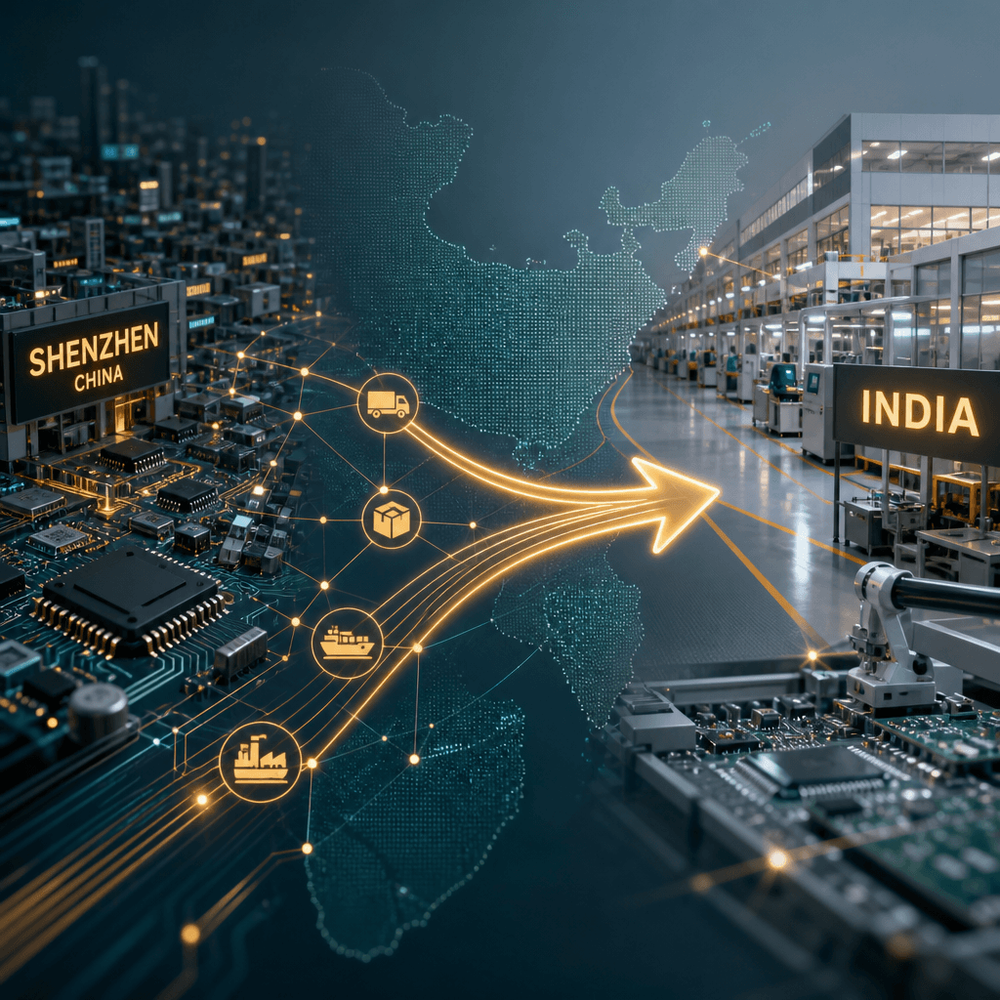
According to reports, the shortage began with delayed shipments and higher prices, evolving into a near-total unavailability of parts for the latest iPhone models. “You can't really make anything from those drawings,” said seller Guo Youliang, referring to leaked files that included parts lists and supplier names.
The shift in Apple's supply chain strategy is evident, as the company is not only assembling phones in India but also building a complete supply chain ecosystem that bypasses China entirely. This transition has tightened the parts ecosystem, leading to a significant decrease in the availability of components that once flowed into Huaqiangbei.
As Apple diversifies its supply chain, the implications for the counterfeit market are profound. “When the world's most sophisticated knockoff market can't source components, it means the fundamental geography of iPhone manufacturing has already shifted,” experts note. The future of this market remains uncertain as the dynamics of global production continue to evolve.
“Huaqiangbei technicians say genuine Apple parts have become nearly unavailable over the past 18 months, while a $29 'Baby iPhone' clone copies the iPhone 17 Pro's cosmic orange finish but runs Android. Beijing is also using export controls, laws that reach beyond China's borders, and legal tools designed to make leaving expensive.”


 Briefs Finance



