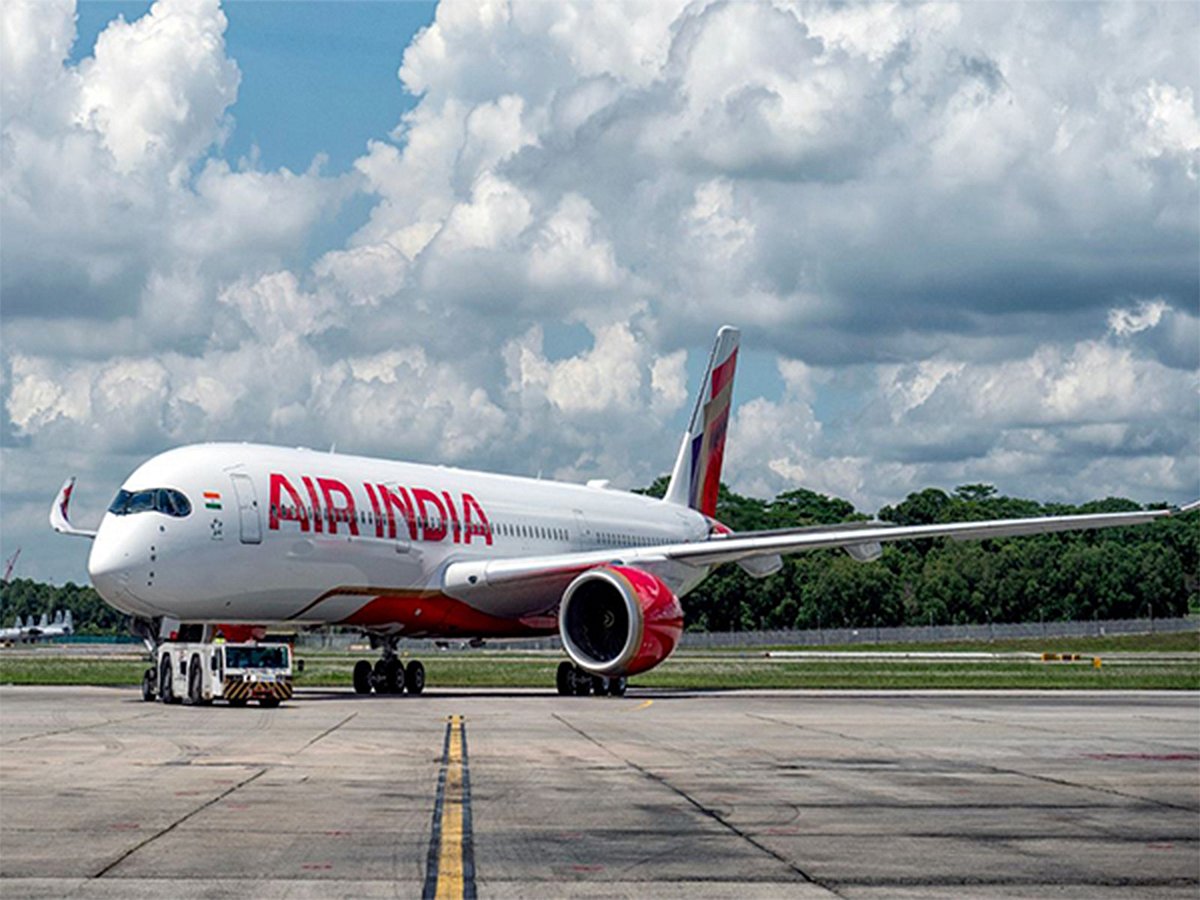
- The captain of Air India's turbulence-hit flight on August 4 has reportedly tested positive for psychoactive substances in a post-flight dope test and has been grounded temporarily.
- The dope test was conducted by Delhi airport staff on the directions of the Aircraft Accident Investigation Bureau (AAIB), which operates under the Civil Aviation Ministry and is authorised to order such tests in case of flight accidents.
- After arrival, pilots underwent a Breathalyser test (negative), followed by blood and urine tests; the result came positive for psychotropic substances, so a confirmatory test was conducted and results sent to a certified lab, with possible hair samples taken.
- Air India stated it was not aware of the test results and could not comment on findings, but it conducts regular drug testing of crew members in compliance with civil aviation regulations.
- Captain C.S Randhawa, president of the Federation of Indian Pilots, noted that psychotropic substances can remain in the body for up to three months (sometimes six), and that self-medication or painkillers containing morphine can cause positive dope tests.
- Randhawa also highlighted that penalties in India are lenient — a first-time offender is taken off duty for at least six months and sent to rehabilitation, whereas in some Gulf countries the pilot is terminated and licence cancelled.
- While breathalyser tests are done for every flight, only ten percent of pilots undergo dope tests, or such tests are done after an accident; if the pilot consumed cocaine or marijuana even three months earlier, it jeopardises all flights he operated during that period.
- Captain Sam Thomas, president of the Airline Pilot Association of India, cautioned against naming the pilot prematurely, noting that body-building supplements or even deodorants can cause false positives, and the specific substance must be identified in the confirmatory test.
The captain of an Air India flight from Phuket to Delhi, which encountered severe turbulence on August 4, has been suspended after testing positive for psychoactive substances in a post-flight dope test.1
Air India confirmed that the test was conducted under the direction of the Aircraft Accident Investigation Bureau (AAIB) following the incident.2
"We are aware that a post-flight screening test was conducted on the pilots in accordance with applicable protocols," Air India stated, adding that they had not received the test results.
Sources indicated that the pilot underwent a Breathalyser test, which was negative, but subsequent blood and urine tests returned positive for psychotropic substances. A confirmatory test is underway.3
Captain C.S Randhawa, president of the Federation of Indian Pilots, noted that psychotropic substances can remain detectable for up to three months, raising concerns about the pilot's past flights.5
"If the pilot has been found to have consumed cocaine or marijuana even three months earlier, then it is a serious problem," he warned.7
The penalties for such violations in India are relatively lenient, with first-time offenders typically suspended for six months and sent to rehabilitation.6
Captain Sam Thomas, president of the Airline Pilot Association of India, emphasized the need to identify the specific substance involved, as some supplements can lead to false positives.8
The incident has sparked discussions about the adequacy of drug testing protocols for pilots in India.
“The dope test was ordered by the Aircraft Accident Investigation Bureau after the August 4 incident, and a confirmatory test is pending at a certified lab. Pilot unions warn that body-building supplements or deodorants can cause false positives, and penalties in India are lenient—first-time offenders face six months off duty and rehabilitation.”






