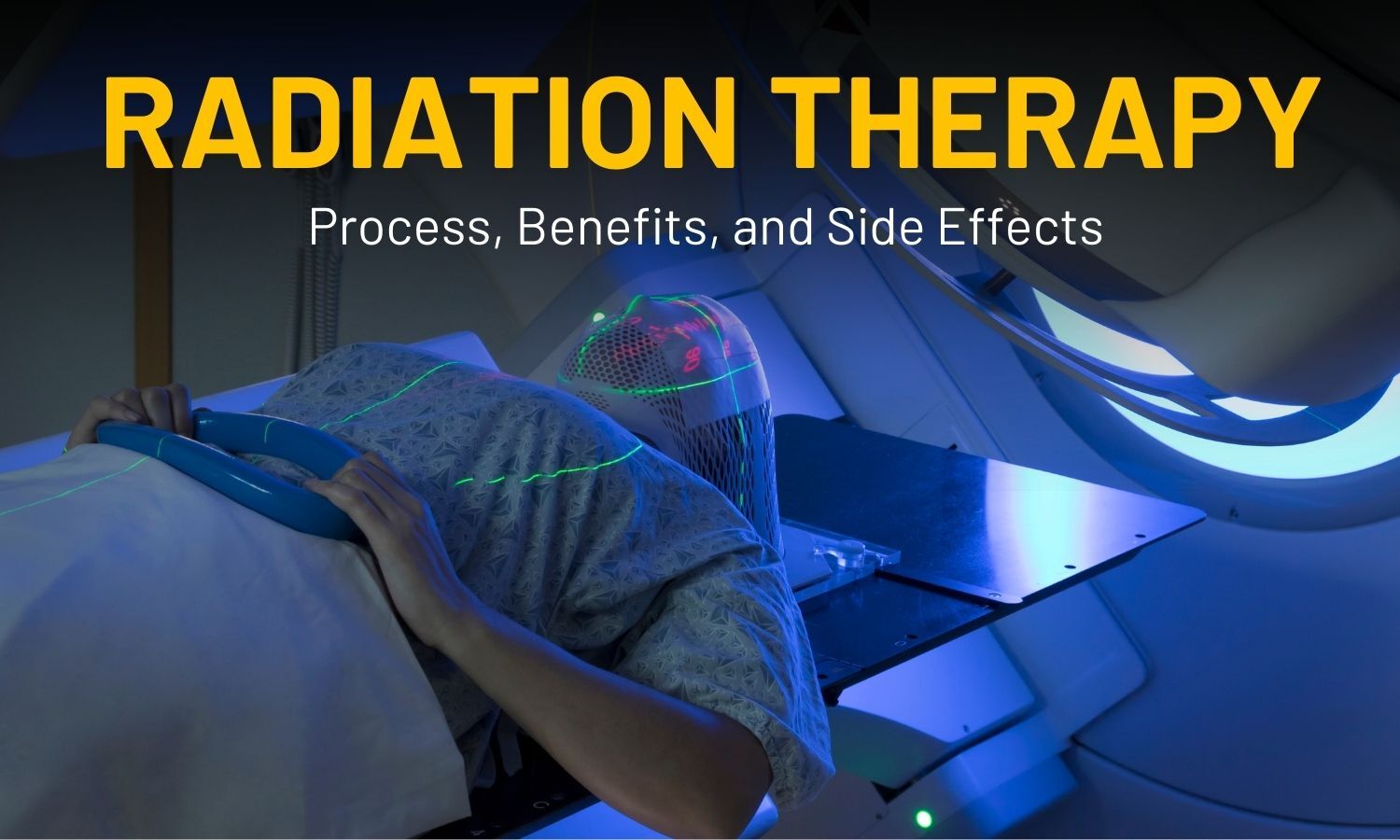
Understanding Radiation Therapy: Benefits, Types, and Side Effects in Cancer Treatment
 1128+ Words Refined into 7 Facts by AI • 1 source • 0m ago
- Cancer is a disease characterized by uncontrolled cell growth, forming tumours. It can affect various organs and is challenging to treat depending on its stage and location.
- Radiation therapy uses high-energy rays to destroy or damage cancer cells, either by shrinking tumours or killing them. This non-invasive treatment targets cancer from outside or within the body without making cuts.
- There are two main types of radiation therapy: External Beam Radiation Therapy and Internal Radiation Therapy. External therapy uses high-energy rays directed from outside the body, while internal therapy places radioactive material directly inside or near the tumour.
- Radiation therapy offers several benefits, including a targeted approach that minimizes damage to healthy cells and pain relief by shrinking tumours. It is often combined with other treatments to enhance effectiveness.
- Common side effects of radiation therapy include skin changes, fatigue, nausea, hair loss, and pain. These effects vary based on the treatment area and individual health.
- Preparing for radiation therapy involves dressing comfortably, following dietary instructions, and avoiding products on the treatment area. Relaxation techniques can help ease anxiety before sessions.
- Managing side effects is crucial; staying moisturized, active, and well-nourished can alleviate discomfort during treatment.
The sources of this summary are listed below. Click to view.
Condense into Facts