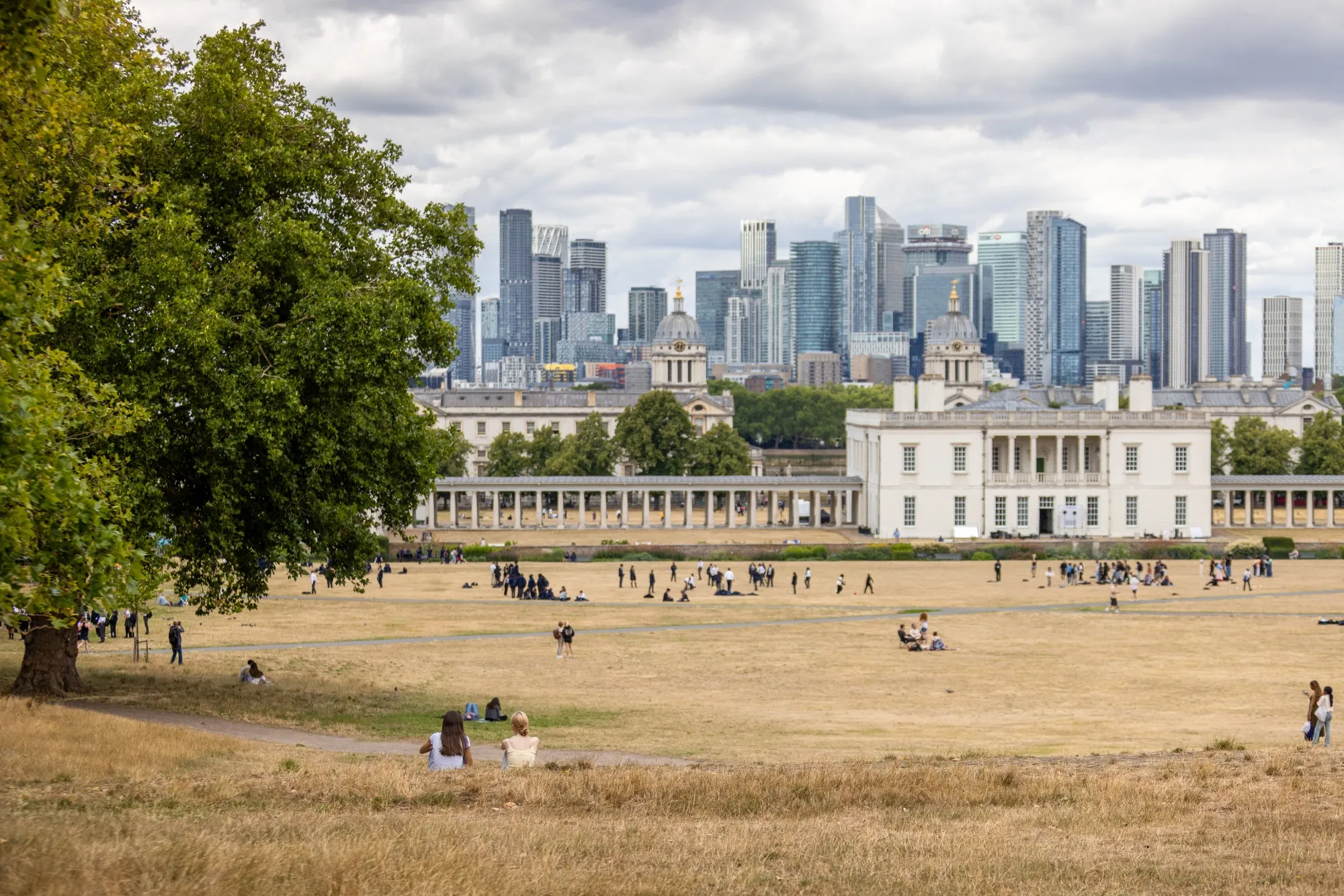
- Drought conditions were declared across half of England, including London, highlighting the increasing threat posed by wildfires and risks facing farmers.
- The seven areas officially in drought include East Anglia, Hertfordshire, the whole of London, Thames Valley, Hampshire and the Isle of Wight, Devon and Cornwall, the West Midlands, and Wessex.
- July is expected to be the driest month on record, with England receiving only 7 per cent of its expected rainfall.
- This announcement marks the occurrence of three droughts in the past five years: 2022, 2025, and now 2026.
- Hot and dry weather has significantly impacted the country's water supplies, leading to the current drought situation.
- Climate change is raising the risks of droughts, with higher summer temperatures drying out soils more quickly.
- 40% of the population in England is currently under a hosepipe ban, with seven water companies restricting water use.
- 78% of rivers in England are classified as below normal or lower, with 17% classified as exceptionally low for this time of year.
Half of England has been officially declared in drought, with the Environment Agency identifying seven affected areas, including East Anglia, Hertfordshire, and London. This month is projected to be the driest July on record, with only 7% of expected rainfall and some regions experiencing as little as 1%.34
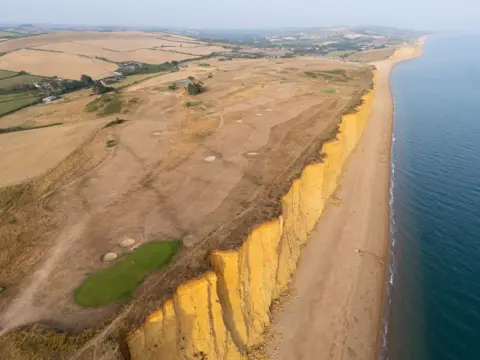
The drought declaration highlights the increasing threat of wildfires and significant risks to agriculture. Helen Wakeham, director of water at the Environment Agency, stated, “The hot and dry weather means we are currently using water faster than nature can replenish it.”6
The situation is exacerbated by a second consecutive summer drought, which Wakeham described as “an exceptionally serious situation” that will have long-lasting impacts on the environment, wildlife, and economy.
Currently, 40% of the population is under a hosepipe ban, with seven water companies implementing restrictions. The Environment Agency reported that 78% of rivers are classified as below normal or lower, with 17% deemed “exceptionally low.”
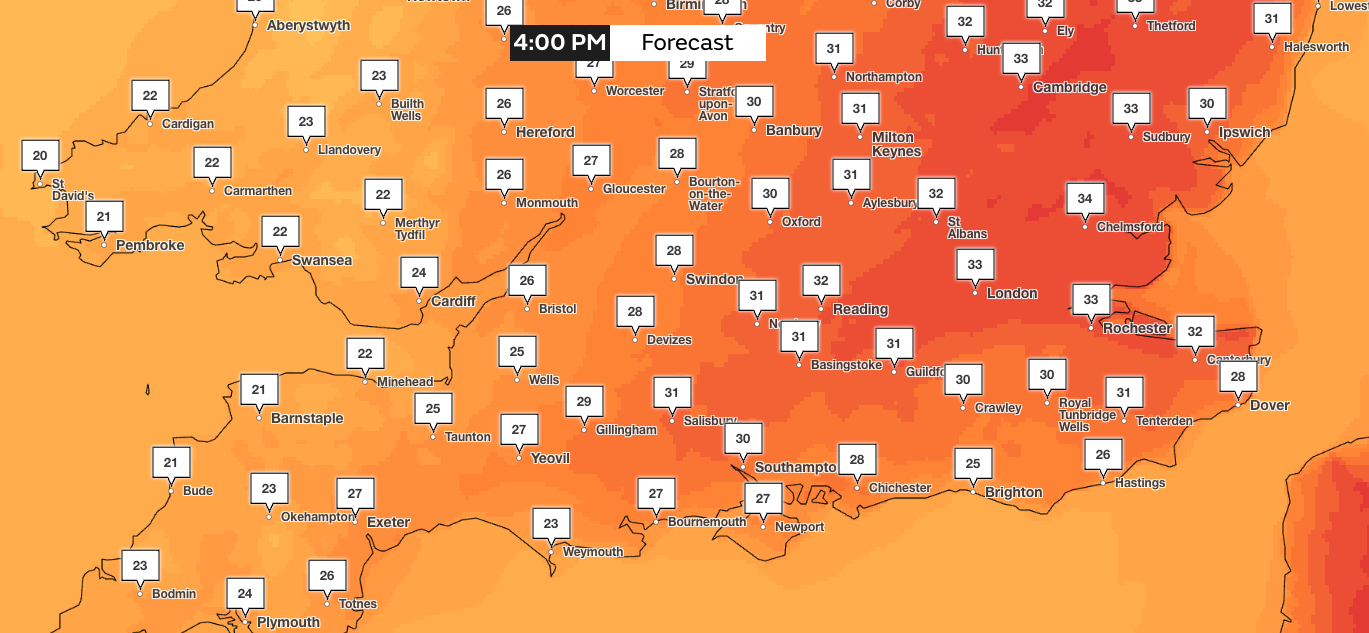
As temperatures are forecast to peak at 35C, the UK Health Security Agency has warned of rising health risks, particularly for vulnerable populations. The drought is a stark reminder of the ongoing challenges posed by climate change, which scientists say is increasing the frequency and severity of such events.7
“The Environment Agency reported that 78% of rivers are now classified as below normal or lower, with 17% deemed ‘exceptionally low’ for this time of year. Helen Wakeham, director of water at the Environment Agency, emphasized that the hot and dry weather means water is being used faster than nature can replenish it.”


 BBC
BBC The Independent
 The Guardian



