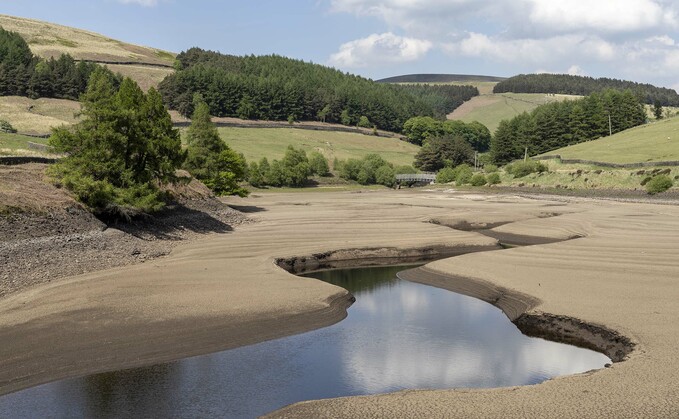
- Half of England is officially in drought, with July set to be the driest on record after winter floods.
- July is anticipated to be the driest month on record, with England receiving only 7% of its expected rainfall and southern England just 1%, contributing to a rapid onset 'flash drought' despite a wet winter.
- A second consecutive summer drought is an exceptionally serious situation with long-lasting impacts on the environment, wildlife, and the economy.
- The drought follows the UK's fourth heatwave of the summer, with record-breaking temperatures, including a new June record of 38C in Norfolk, which has led to widespread wildfires and hosepipe bans.
- 78% of England’s rivers are now classified as below normal or lower.
- Seven water companies have introduced Temporary Use Bans (TUBs), affecting 23 million customers – around 40% of England’s population.
- The current drought now means there have been three droughts in the past five years – 2022, 2025 and now 2026.
- The Environment Agency has stepped up its operational response, including enhanced monitoring and controlling how much water can be taken from rivers and groundwaters.
- Water Minister Emma Hardy stated that our climate is changing, and droughts are becoming increasingly common.
Half of England is officially in drought as July is set to become the driest month on record, with only 7% of expected rainfall, and just 1% in southern regions. The Environment Agency has declared drought in seven areas, including East Anglia and London, due to record-low rain and high temperatures.28
Helen Wakeham, director of water at the Environment Agency, stated, “The hot and dry weather means we are currently using water faster than nature can replenish it.” This situation follows the UK's fourth heatwave of the summer, with temperatures soaring into the 30s, exacerbating water shortages and leading to hosepipe bans affecting around 40% of England's population.4
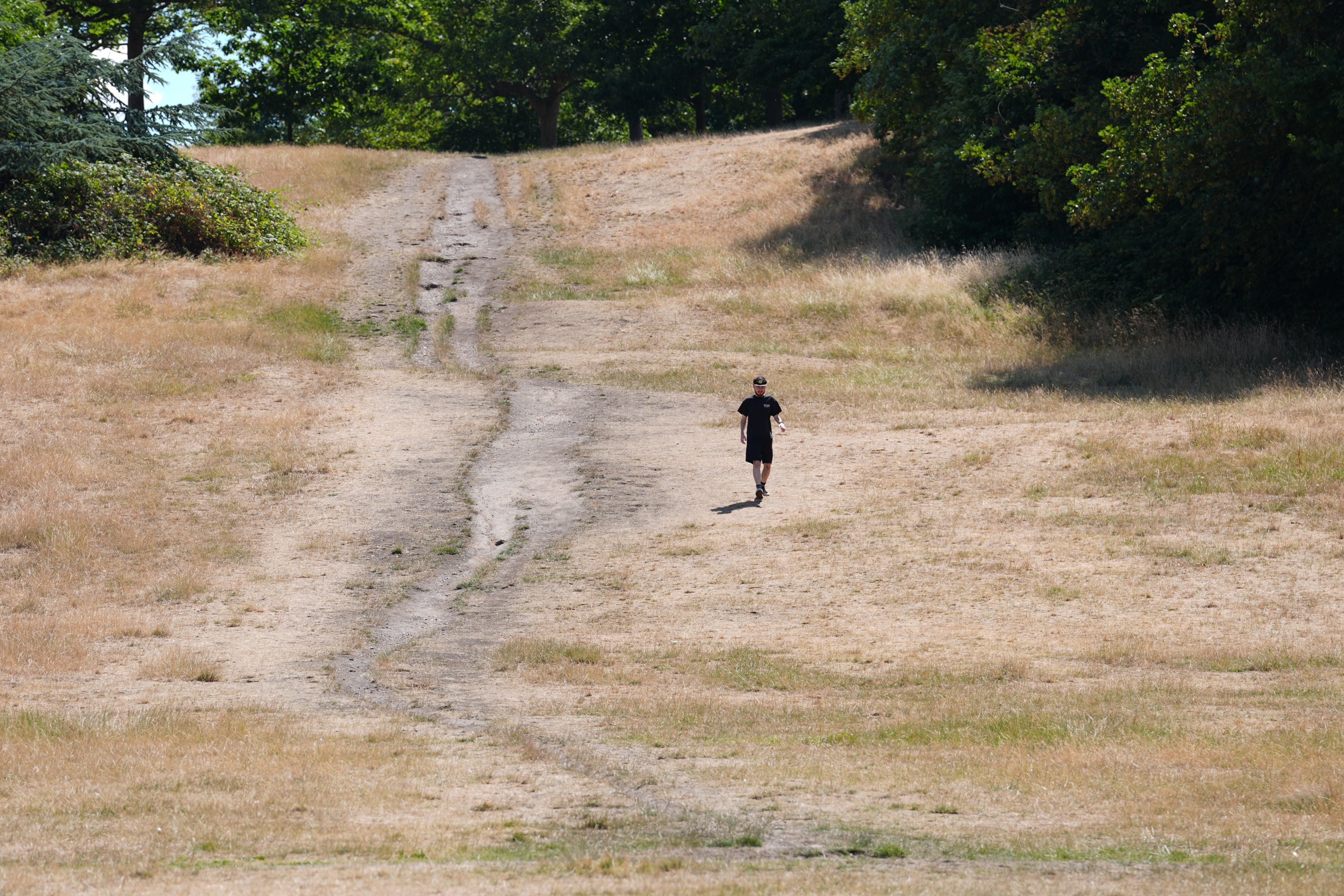
The drought has already resulted in low river flows, early harvests, and a heightened risk of wildfires, with emergency services responding to over 700 wildfires this year. The Environment Agency reports that 78% of England's rivers are now classified as below normal or lower, indicating severe water stress.
Water Minister Emma Hardy emphasized the need for preparedness, stating, “Our climate is changing, droughts are becoming increasingly common, and we need to be prepared for this new normal.” The current drought marks the third in five years, highlighting a concerning trend for the future.9
As the situation develops, the Environment Agency is enhancing monitoring and controlling water extraction from rivers and groundwater to mitigate the impacts of this ongoing crisis.
“July is anticipated to be the driest month on record, with England receiving only 7% of its expected rainfall and southern England just 1%. Emergency services have responded to 706 wildfires in England and Wales so far in 2026, with 208 incidents recorded between July 16 and 28 alone.”


 The Guardian
 V2 Radio
 BBC
BBC The Independent