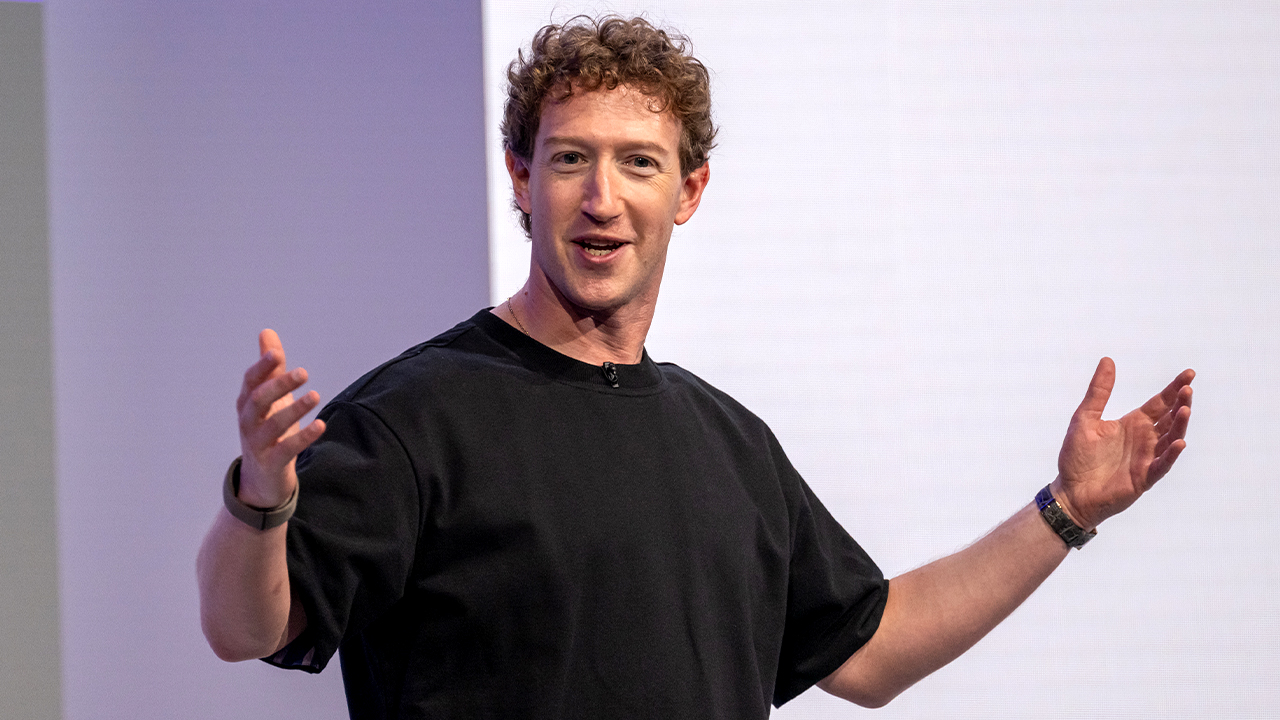
- Zuckerberg outlines his vision for a world where personal superintelligence is available to everyone rather than only a select few.
- In a 14-page letter titled 'The Future is for Everyone: The Path to a Positive AI Future,' Zuckerberg argued that broadly distributing superintelligent AI represents both an economic opportunity and a safeguard against concentrating too much power in the hands of governments, businesses and other institutions.
- Meta announced new open-source model releases including Muse Glimmer, a 30-billion-parameter dense model that can run on a laptop or single consumer GPU, and upcoming Muse Spark 1.2.
- Zuckerberg previewed a $1 billion Future is for Everyone Fund to invest directly in U.S. communities where Meta owns and operates data centers.
- Zuckerberg emphasized individual empowerment as the source of prosperity, stating that if the power of superintelligence is held by a small number of individuals or institutions, it will lead to unfavorable outcomes for everyone else.
- Meta's mission has focused on putting power in people's hands, contrasting with other labs that build AI for larger institutions.
- Zuckerberg called for cooperation between frontier AI labs and the government to ensure a positive future.
- Meta is committed to open source and believes restricting it would be a mistake.
- Zuckerberg highlighted the importance of sustainable infrastructure development, stating that communities must benefit significantly from projects like data centers.
- In Richland Parish, Louisiana, teachers received a $50,000 bonus this year due to increased tax revenue from Meta's investment.
- Zuckerberg described the development of superintelligence as potentially the most profound technological advance we will see in our lifetimes.
Meta CEO Mark Zuckerberg outlined a vision for a future where superintelligent AI is accessible to all, emphasizing the need for individual empowerment and economic opportunity. In his 14-page letter, "The Future is for Everyone: The Path to a Positive AI Future," he stated that distributing superintelligent AI can prevent power concentration among governments and corporations.2
Zuckerberg warned, "If the power of superintelligence is held by a small number of individuals, businesses, governments, or AI itself, then that will naturally lead to outcomes that are less favorable for everyone else." He stressed that Meta's mission is to empower individuals, contrasting it with other labs focused on institutional AI.78
The company announced the release of Muse Glimmer, a 30-billion-parameter model designed for personal use, and plans to open-source additional models soon. Zuckerberg reiterated Meta's commitment to open-source AI, stating, "We think it would be a mistake to restrict it."
Additionally, Meta introduced a $1 billion Future is for Everyone Fund aimed at investing in U.S. communities where it operates data centers. Zuckerberg emphasized the importance of sustainable infrastructure, stating, "Sustainable infrastructure development means that communities must benefit significantly from each project." This fund aims to create local jobs, enhance public services, and ensure environmental care, fostering a community compact that benefits all stakeholders involved.
“In a 14-page letter, Zuckerberg argued that concentrating superintelligence power would lead to unfavorable outcomes, proposing individual empowerment as a safeguard. Meta also released Muse Glimmer, a 30-billion-parameter model, and previewed a $1 billion fund for data center communities.”
 Fox Business



