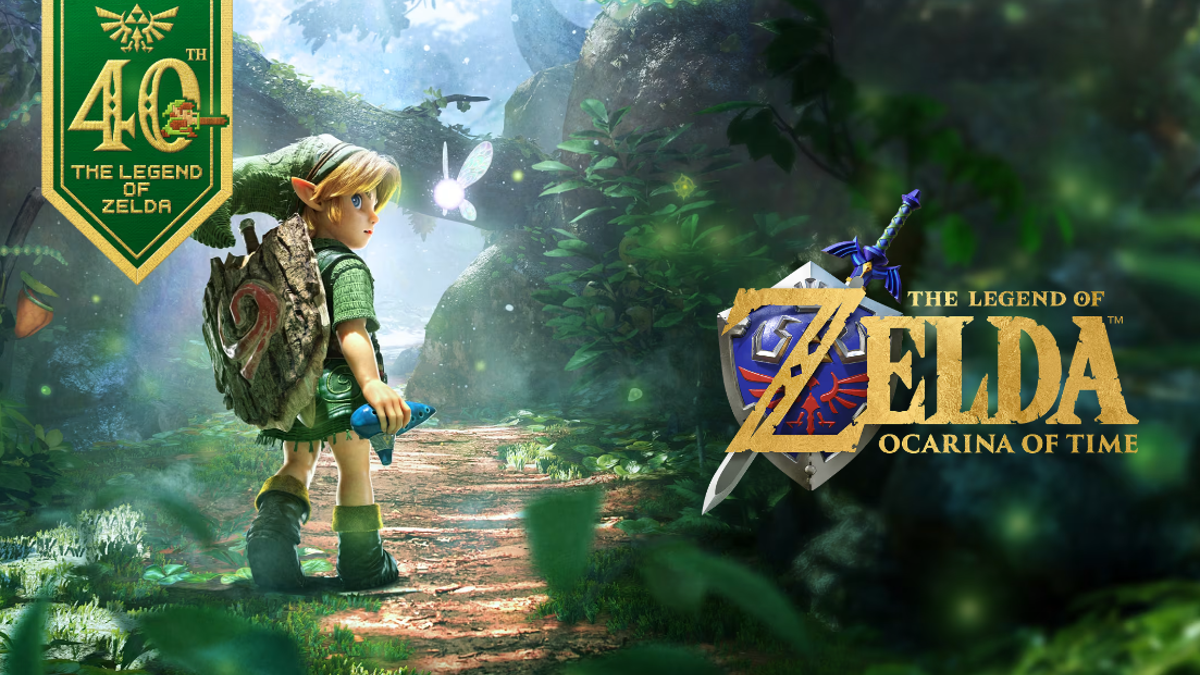
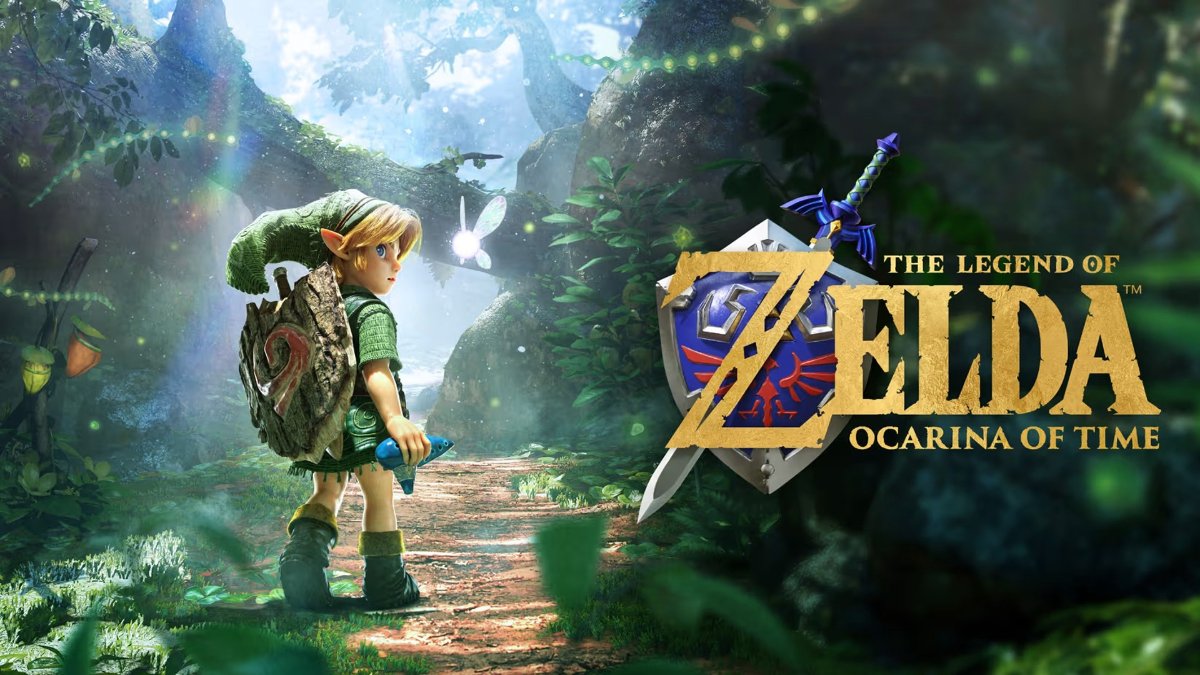
- Nintendo's modern Zelda team has remade the game for Switch 2, adding fully voiced cutscenes, expanded text, and a detailed theatre-like visual style.
- The review concludes that the remake is a dream come true, turning one of the best games of the 1990s into one of the best games of the 2020s.
- The original Ocarina of Time was released on N64 in 1998, featuring understated text due to cartridge limits.
- The narrative framing has changed: original text was understated due to N64 cartridge limits, but now Hyrule's denizens have expanded, funnier, and more colourful text chatter.
- Pivotal moments now play out in fully voiced cutscenes (Link remains silent), which may divide purists, but they bring out the latent epic drama.
- The visual style has shifted from a fuzzy, dreamlike look to detailed theatre scenery, though the reviewer disliked Sheik losing androgyny.
- Quality-of-life improvements include free jumping anywhere and a fully orchestrated score, plus a playful new feature to play the ocarina with your voice.
- Despite the new sheen, the game retains its understated melancholy and essential tragedy about a boy hero whose childhood is stolen.
The remake of *Zelda: Ocarina of Time* is being celebrated for its innovative updates while preserving the essence of the original game.3
Critics have noted that the remake transforms the storytelling experience with fully voiced cutscenes and expanded dialogue, making the world of Hyrule feel more vibrant and engaging.1456
“Ocarina of Time is a dream come true,” one reviewer stated, highlighting the emotional depth retained despite the modern enhancements.2
The new visual style has been described as reminiscent of “detailed theatre scenery,” enhancing the game’s aesthetic while introducing playful elements, such as the ability to play Link’s ocarina using the Switch 2’s microphone.78
“The all-timer of a score, redone with a full orchestra, is newly powerful and portentous,” another critic remarked, emphasizing the auditory improvements that accompany the visual upgrades.
While some changes, like the portrayal of the warrior Sheik, have drawn mixed reactions, the overall consensus is that the remake successfully captures the “understated melancholy” of the original tale.12
As one reviewer concluded, “Nintendo’s modern Zelda team have turned one of the best games of the 1990s into one of the best games of the 2020s.”
“The remake introduces fully voiced cutscenes, with Link staying silent, and a new scene at the Master Sword moment described as awe-inspiring. Quality-of-life improvements include free jumping anywhere, a fully orchestrated score, and the ability to play the ocarina with your voice.”
 The Guardian