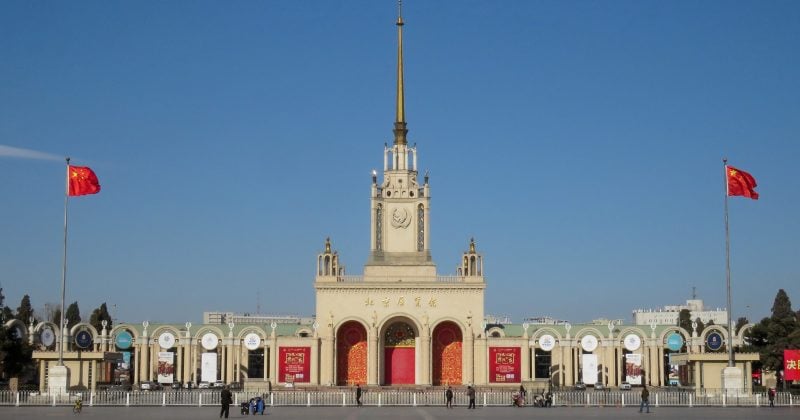
- Beijing has completed a massive 1-gigawatt data center that runs entirely on domestically produced semiconductors.
- Z.AI has completed a giant data center that houses only Chinese-made chips, specifically designed to train the company’s GLM (General Language Model) AI platforms without using Nvidia chips.
- The 1-gigawatt hub is designed to help Z.AI develop its cutting-edge GLM platforms and is partially operational.
- This facility has enough power to energize roughly 750,000 homes at any given moment.
- Since 2025, US export controls have forced Chinese companies to get creative about sourcing AI compute.
- The Chinese government has proposed a five-year plan with an estimated budget of approximately $295 billion to create a network of interconnected AI data centers, targeting 80% domestic technology sourcing across the entire network.
- New policies now mandate the use of domestic chips in state-funded projects.
- In April 2026, Alibaba launched its own data center equipped with 10,000 Zhenwu AI chips, its proprietary silicon designed specifically for AI workloads, although Z.AI’s facility dwarfs it in scale and ambition.
- Z.AI has now built or operates several computing clusters each with more than 10,000 chips.
Z.AI has officially completed its 1-gigawatt data center in Beijing, a facility designed to exclusively utilize Chinese-made chips for training its General Language Model (GLM) AI platforms. This development is part of a broader strategy by the Chinese government to enhance domestic technology capabilities amidst stringent US export controls on semiconductors.12367
The data center, which is now operational, represents a significant milestone in China's ambition to achieve 80% domestic technology sourcing across its AI infrastructure, as outlined in a proposed five-year plan with a budget of approximately $295 billion. The facility is capable of powering around 750,000 homes at any given moment, showcasing its substantial energy capacity.5
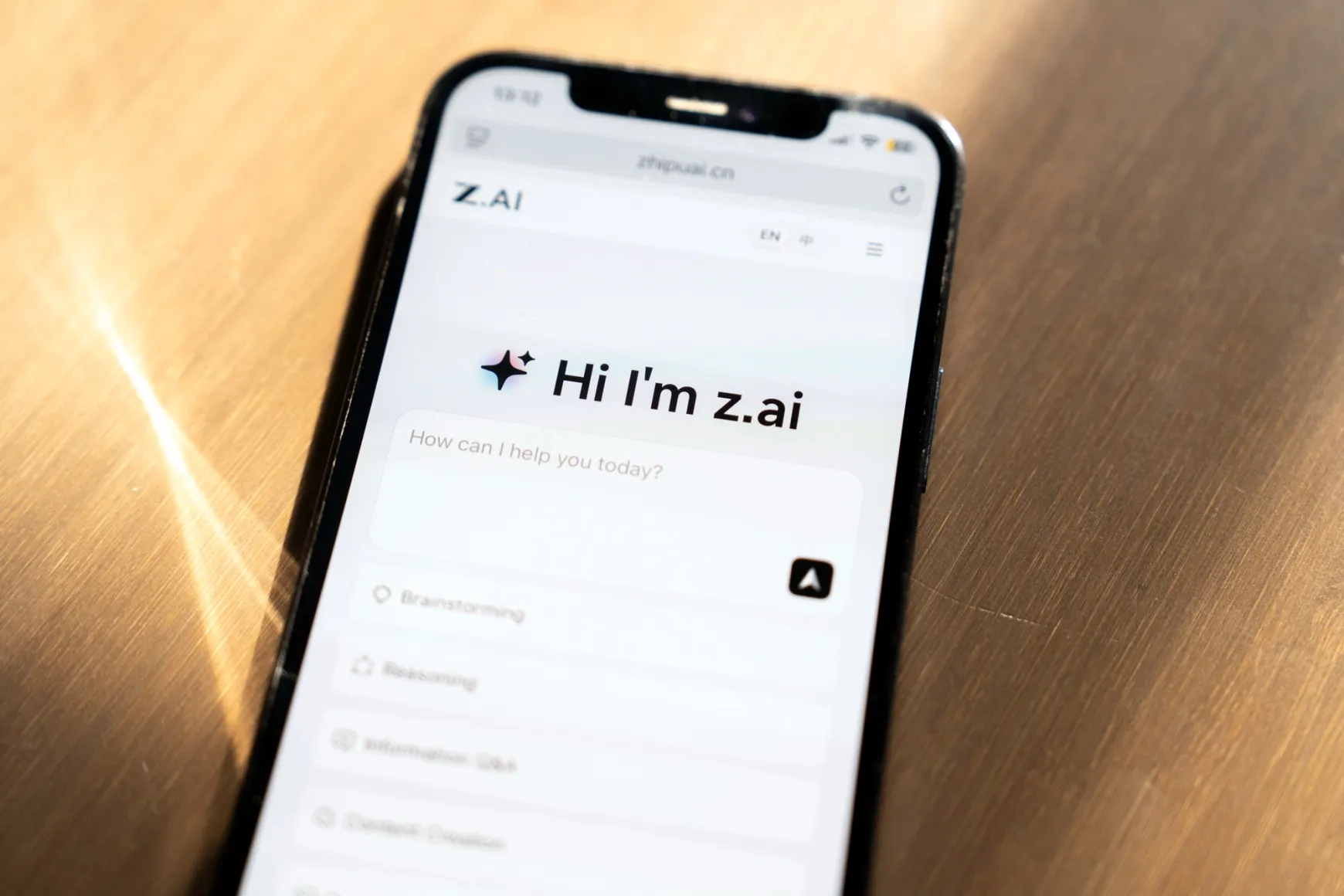
Z.AI, formerly known as Zhipu, has begun partial operations of this hub, which is expected to play a crucial role in the development of its advanced AI technologies. The company has also established several computing clusters, each equipped with over 10,000 chips, further solidifying its position in the competitive AI landscape. This move comes in response to the challenges posed by US export restrictions, which have compelled Chinese firms to innovate in sourcing AI computing resources.10
In April 2026, Alibaba launched a smaller data center featuring 10,000 Zhenwu AI chips, but Z.AI's facility significantly surpasses it in both scale and ambition, marking a pivotal moment in China's AI evolution.9
“The 1-gigawatt facility, capable of powering 750,000 homes, is purpose-built for training Z.AI's GLM platforms and contains no Nvidia chips. Separately, China's government has proposed a $295 billion five-year plan aiming for 80% domestic technology sourcing in a network of AI data centers.”
 Crypto Briefing



