- Early partial results in Iceland's referendum on EU accession talks showed the “yes” camp with a slim majority, according to the RUV broadcaster.
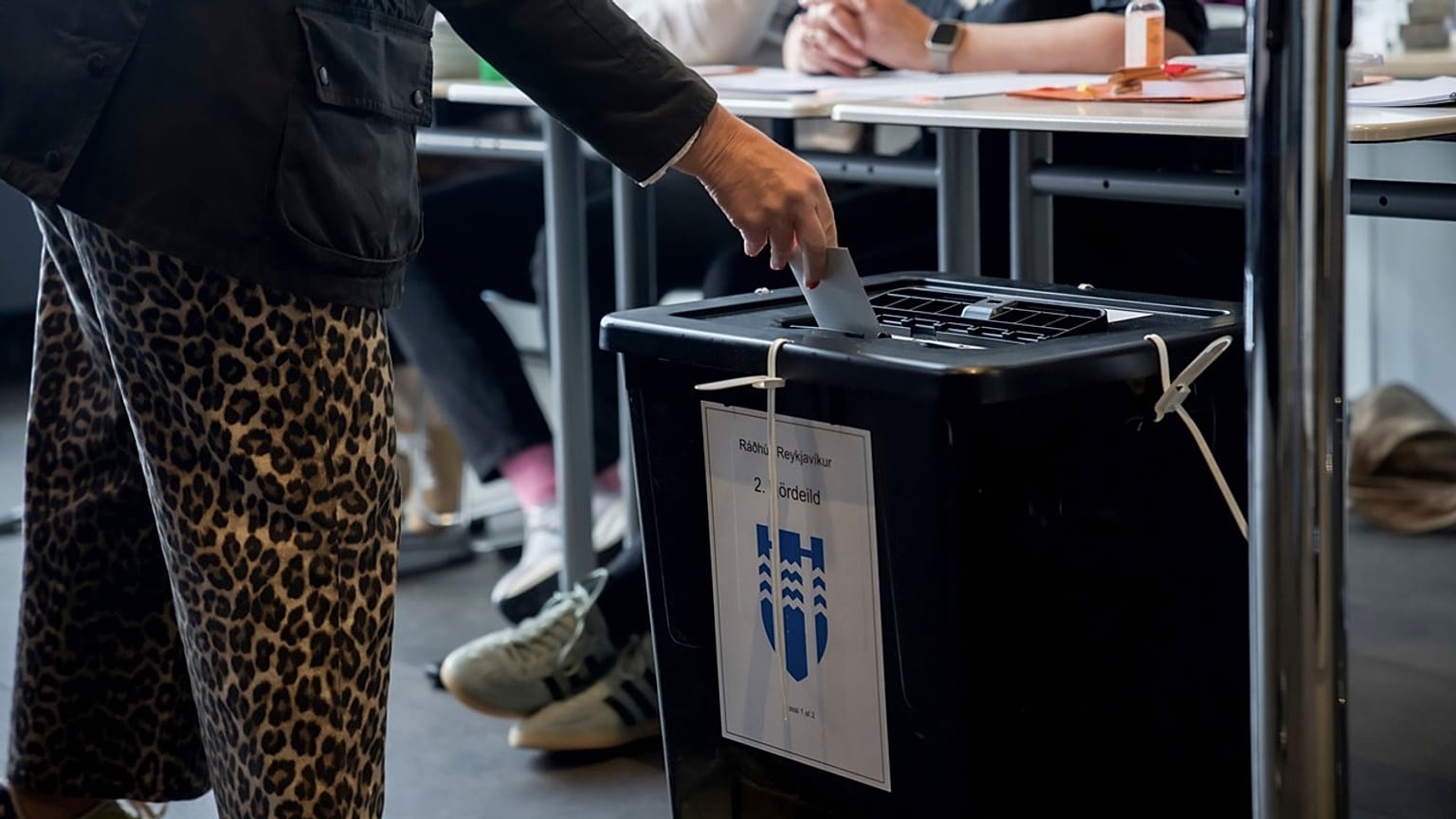
- Voting ended at 10 p.m., with ballots transported from towns and rural polling stations by plane, boat, or car.
- Prime Minister Kristrun Frostadottir called the referendum a great day and said her government would continue regardless of the outcome.
- A Gallup poll on Friday suggested a narrow majority opposed the government's proposal, a shift from earlier surveys.
- No turnout information was available, and a reliable result might not be known until midday Sunday.
- “Yes” campaigners argue EU membership could ease high interest rates and offer security amid global turmoil, while “no” campaigners cite sovereignty and fishing concerns.
Early results from Iceland's referendum indicate a narrow lead for the 'yes' camp, with 51.2% of the first 87,000 votes counted supporting the proposal to restart EU accession talks. The 48.8% opposing votes reflect a divided electorate, as final results are expected by midday Sunday.78
Voting concluded at 10 p.m. (2200 GMT), initiating a complex ballot transport process from various polling stations. Despite a Gallup poll prior to the vote suggesting a slight majority against the proposal, the current results show a shift in public sentiment, possibly influenced by geopolitical tensions stemming from the war in Ukraine and U.S. foreign policy.36
Prime Minister Kristrun Frostadottir emphasized the significance of the vote, stating, “This is a great day, we’ve been waiting for this for years to be able to have a vote.” She noted that the government would continue its work regardless of the outcome. A 'yes' vote would pave the way for discussions with Brussels, although a second referendum would be required to finalize EU membership, a process that began in 2009 but was halted in 2013 by a Eurosceptic government.45
The debate surrounding EU membership has reignited amid renewed geopolitical challenges, highlighting Iceland's ongoing struggle to define its place in the world.
“Based on the first 87,000 votes counted, 51.2% supported restarting negotiations while 48.8% opposed, with no turnout information yet available. Prime Minister Kristrun Frostadottir called it 'a great day' and said her government would continue regardless of the outcome.”