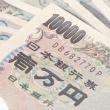
- Japan’s yen has slid back towards 160 to the dollar, despite last month’s US-Japanese intervention, and traders are betting that its role as a cheap funding pipeline for global finance will continue.
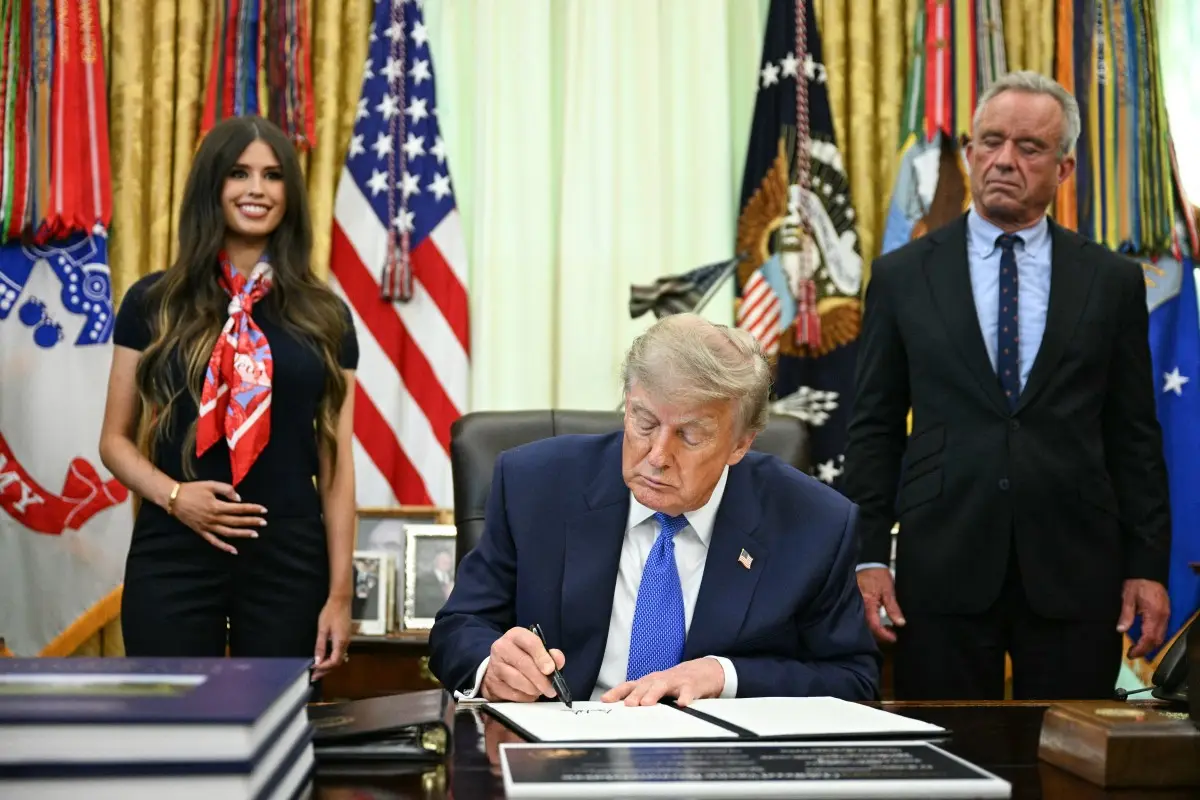
- The Trump administration stepped in to help Tokyo stabilise its currency, with Donald Trump noting, “Japan’s been very good to us, with the exception, of course, of Pearl Harbor.”
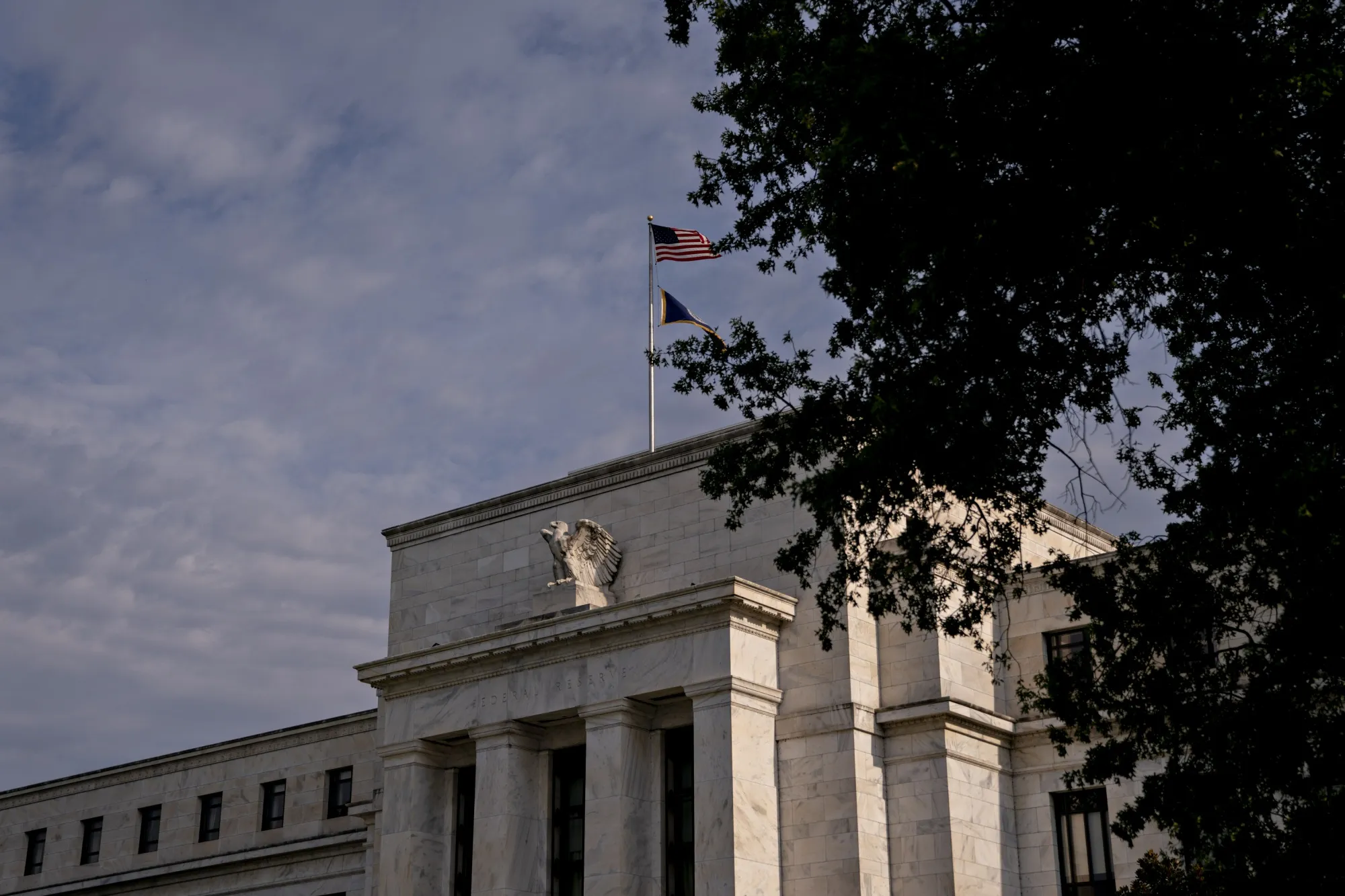
- Mr Bessent has allowed Japan to borrow dollars against its treasuries and use those dollars to buy yen, using a Federal Reserve lending facility and wanting its current $60bn daily limit increased, to avoid Japan selling its $1.1tn treasury pile.
- This is less a rescue of the yen than an attempt by Scott Bessent, the US treasury secretary, to preserve a cash spigot that benefits the US, as Japan’s ultra-cheap money has become a global funding utility.
- Rising oil prices, driven by US-Iran, stoke Japan’s inflation and weaken the yen; if it slides back to 164 yen to the dollar, Tokyo might respond with aggressive rate rises, but this would be unlikely as it would choke off the is trying to create.
- A currency correction could quickly become a rout: higher rates shrink the gap between investors’ returns and yen borrowing, a stronger yen makes yen-denominated debts costlier to repay, and investors then sell US assets to buy yen, strengthening the yen further and forcing more US asset sales.
- Washington wants to keep this tap open, but not at the cost of a collapsing yen or US treasury sales; Mr Bessent sold at least and bought yen to arrest its slide to a 40-year low.
- Japan’s “carry trade” is one of the reasons Wall Street can lever hundreds of billions into AI, which sucks up more than 1% of US GDP.
The Japanese yen has slid back towards 160 to the dollar, despite last month’s US-Japanese intervention aimed at stabilizing the currency. Traders are betting on the yen's role as a cheap funding pipeline for global finance, which has become crucial for US investments.12
Earlier this month, the Trump administration intervened to help Tokyo, with former President Trump stating, “Japan’s been very good to us, with the exception, of course, of Pearl Harbor.” This intervention is less about rescuing the yen and more about preserving a cash spigot that benefits the US economy.34
Japan’s ultra-cheap money has turned into a global funding utility, where bankers borrow yen, convert them to dollars, and invest in higher-returning US assets, particularly in technology. This “carry trade” is a significant factor in Wall Street's ability to leverage hundreds of billions into AI, which now consumes more than 1% of US GDP.1920
Washington aims to keep this financial tap open without allowing the yen to collapse or triggering US treasury sales. US Treasury Secretary Scott Bessent has intervened by selling dollars and buying yen to halt its decline to a 40-year low. Rising oil prices, influenced by US-Iran tensions, are exacerbating Japan’s inflation and weakening the yen further.89101112131718
If the yen slides to 164 to the dollar, aggressive rate hikes from Tokyo could follow, but this would risk choking off the economic recovery Japan is attempting to foster. A currency correction could lead to a rout, forcing Japan to sell its $1.1 trillion treasury holdings to buy yen, a scenario Bessent is keen to avoid.
“Scott Bessent, the US treasury secretary, has allowed Japan to borrow dollars against its treasuries via a Federal Reserve facility, seeking to raise its $60bn daily limit to avoid Japan selling its $1.1tn treasury pile. The carry trade lets Wall Street lever hundreds of billions into AI, which consumes over 1% of US GDP.”
 The Guardian