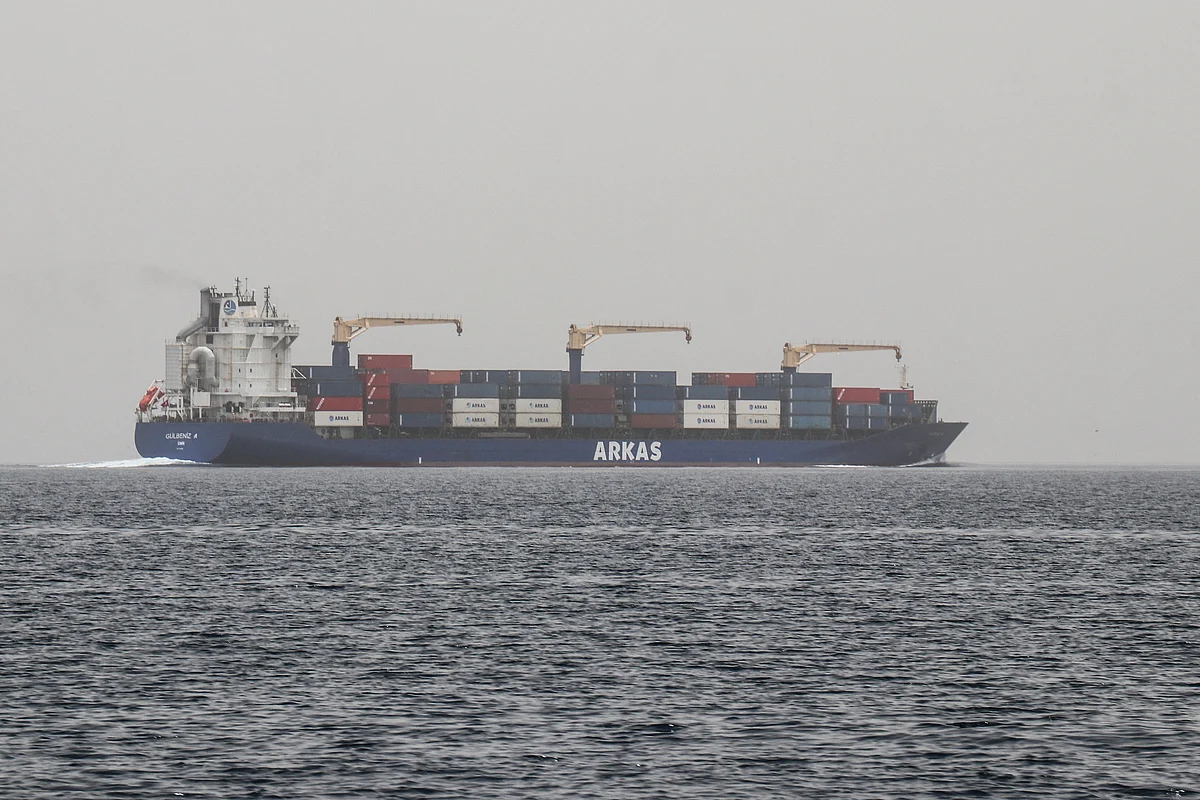
- Yemen's Houthis claim they attacked a Saudi oil tanker in the Red Sea, which has raised concerns in the region.
- Oil prices have moved higher following the Houthis' claim of a strike on the Saudi tanker.
- The reported strike has dented hopes for a potential ceasefire agreement in the region.
Yemen's Iran-backed Houthis have claimed a missile strike on a Saudi oil tanker in the Red Sea, escalating regional tensions and causing oil prices to rise. The attack occurred near Yanbu, a crucial port for Saudi Arabia's crude oil exports, leading to a brief spike in prices.123
The Houthis' announcement has raised concerns about the viability of a potential ceasefire agreement, which had gained traction earlier this week. The strike comes amid ongoing negotiations involving the U.S., Iran, and Oman to manage ship traffic in the Strait of Hormuz, a vital shipping route.

Following the attack, oil prices rebounded, reflecting market anxiety over the security of maritime routes. The reported strike has dented hopes for peace, as President Donald Trump indicated that negotiations had been ongoing, stating, "It looks like things are very good." However, the situation remains precarious as fighting continues to disrupt shipping in the region.4
The Houthis' actions are part of a broader pattern of escalating hostilities, with Tehran previously attacking vessels under U.S. military protection. This has led to retaliatory measures from Washington, including airstrikes and a naval blockade against Iran, further complicating the geopolitical landscape in the area.
“The reported strike dented ceasefire hopes that had risen after Treasury Secretary Scott Bessent's comments; President Trump told Fox News: "It looks like things are very good." Crude prices fell Wednesday on reports that the U.S., Iran and Oman are working on a deal to manage ship traffic in the Strait of Hormuz.”

 CNBC
CNBC



