- Yemen's Houthis said they attacked an Aramco refinery in Saudi Arabia's Jazan with two drones on Thursday, as reported by the Iran-aligned movement's Saba news agency.
- A Houthi military source said the attack was in response to what the group described as Saudi violations of Yemeni airspace and sovereignty in Saada and Hajjah provinces.
- There was no immediate comment from Saudi Arabia on the report.
- A series of Houthi attacks in recent weeks, which are among the deadliest in years, is raising fears that Yemen could be sliding back towards all-out war as conflict spreads across the region.
- The fragile status quo came under increasing pressure after the United States and Israel launched their war against Iran on February 28, and on July 13 Yemeni government forces attacked Sanaa airport to prevent an Iranian aircraft carrying a Houthi delegation from landing.
- On July 20, the Houthis announced a campaign against Saudi Arabia, threatening oil shipments diverted towards the Red Sea and attacking Saudi Aramco facilities in Jizan and Yanbu; last month, Riyadh announced a coalition intended to protect shipping in the Red Sea, with 13 countries agreeing to participate.
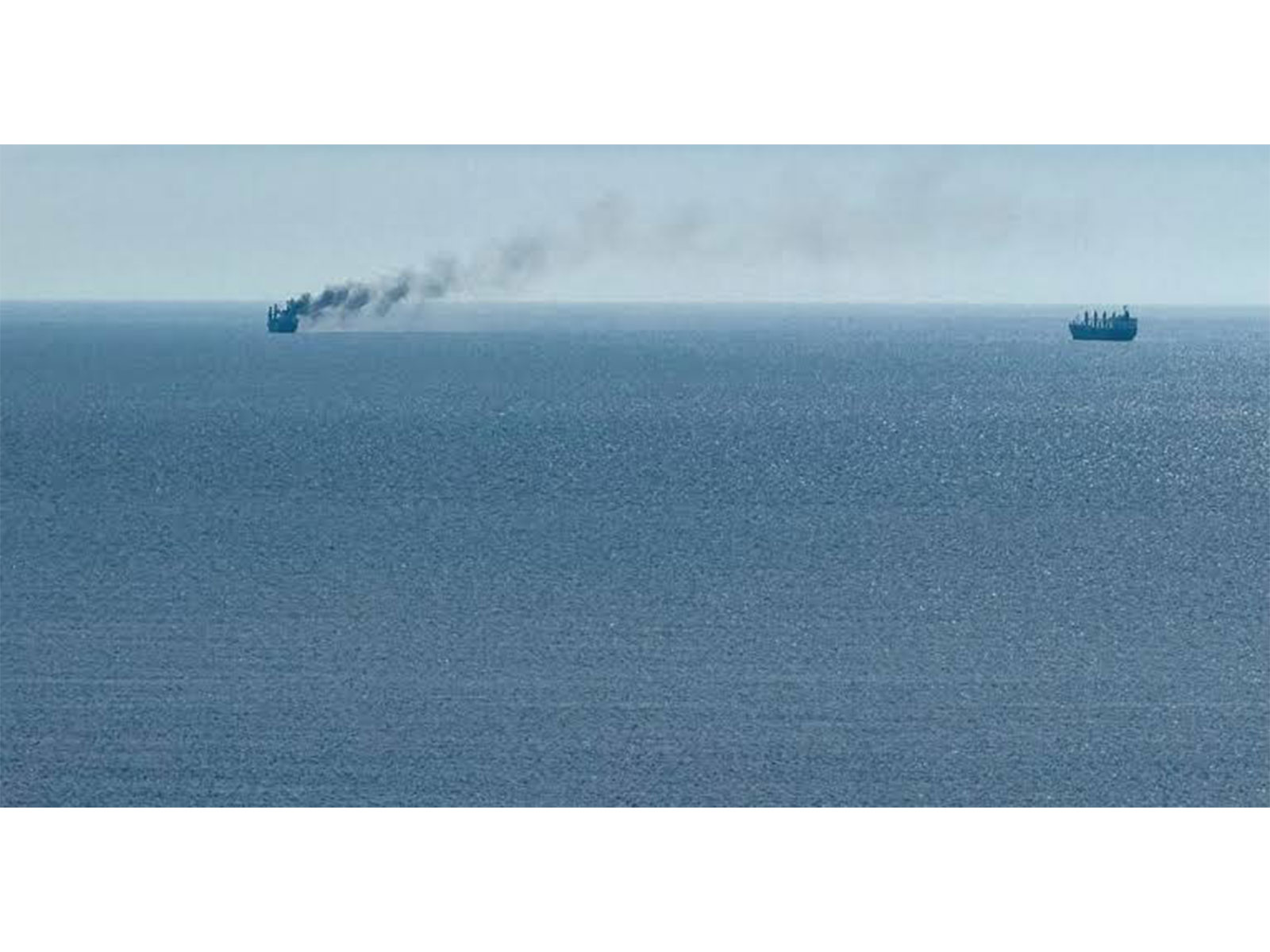
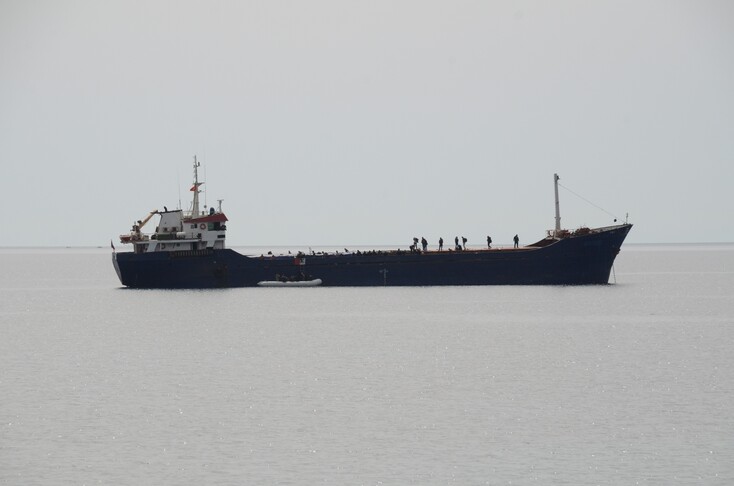
- The Houthis have killed a number of civilians in attacks on the government-controlled west coast port of al-Makha (Mocha), and an attack on a commercial vessel in the Bab al-Mandeb Strait killed six people and injured 10 others.
Yemen's Houthis launched a drone attack on a Saudi Aramco refinery in Jazan, marking a significant escalation in ongoing hostilities. This attack, claimed by the Iran-aligned group, was described as retaliation for Saudi violations of Yemeni airspace, according to the Houthis' Saba news agency.167
The recent surge in Houthi attacks, among the deadliest in years, has raised alarms about a potential return to all-out war in Yemen. “No action by the Houthi militias will go unanswered or unchecked,” stated Rashad al-Alimi, chairman of the Presidential Leadership Council, emphasizing the government's resolve to respond to Houthi aggression.45
The conflict has intensified with civilian and military casualties reported, particularly following clashes over the past month. The Houthis have also targeted the government-controlled port of al-Makha, resulting in civilian deaths. “After years of attempting to de-escalate... Riyadh appears to have concluded that approach is no longer viable,” noted Simon Mabon, a professor of international relations.1112

In a broader context, the Houthis' actions are seen as part of the escalating US-Iran confrontation, with Iran reportedly urging the Houthis to prepare for potential disruptions to Red Sea oil routes. The situation remains precarious, with fears that the fragile status quo could collapse entirely.
The Houthis' recent attacks, including a strike on a commercial vessel that killed six, have prompted international condemnation, including from Pakistan, which reported casualties among its nationals.
As tensions rise, the potential for a renewed conflict looms large, with both sides bracing for further escalation.
“The Houthis said the attack was in response to Saudi violations of Yemeni airspace in Saada and Hajjah, with no immediate comment from Riyadh. Recent weeks have seen the deadliest Houthi attacks in years, including a strike on a commercial vessel that killed six and injured 10.”