- Xiaomi announced the Xring O3, the successor to the O1, skipping the O2 due to its significant improvement in energy efficiency, delivering a two-generations leap compared to the O1.
- The Xring O3 is fabbed by TSMC on a 3nm N3P node and is currently available for testing on a development board.
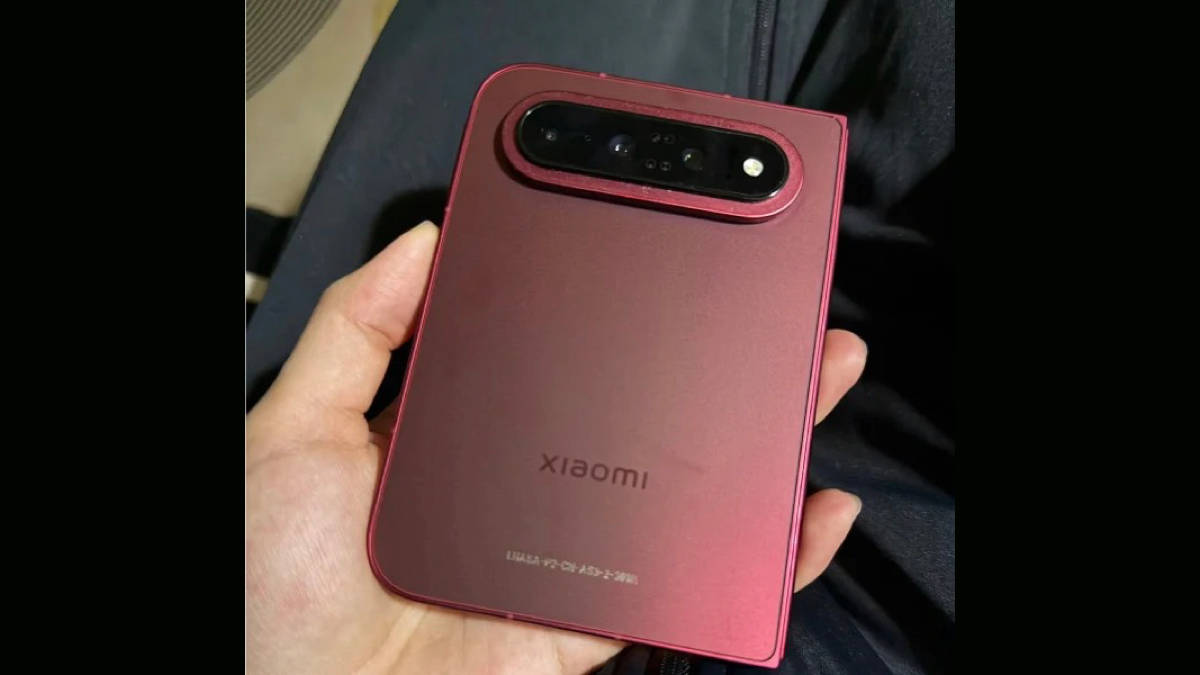
- Xiaomi plans to use the Xring O3 in its upcoming Xiaomi 18 Fold, with shipments targeted at 200,000-300,000 units.
- Xiaomi has invested over 20 billion yuan in Xring development and plans to invest at least 50 billion yuan over a decade.
- Xiaomi launched its first proprietary smartphone processor, the Xring O1, in 2025.
- The strategy behind the Xring O3 could improve product differentiation and bolster Xiaomi's negotiating position with outside chip suppliers, supporting its expansion into premium smartphones.
- However, this investment comes as rising component costs and weakening global handset demand are already pressuring the company's core business.
Xiaomi's Xring O3 chip represents a significant advancement in power efficiency, achieving a two-generations leap over its predecessor, the O1. Manufactured by TSMC on a 3nm node, the O3 is designed to enhance performance while reducing energy consumption, making it competitive against leading chips like the Dimensity 9600 and Snapdragon 8 Elite Gen 6.12
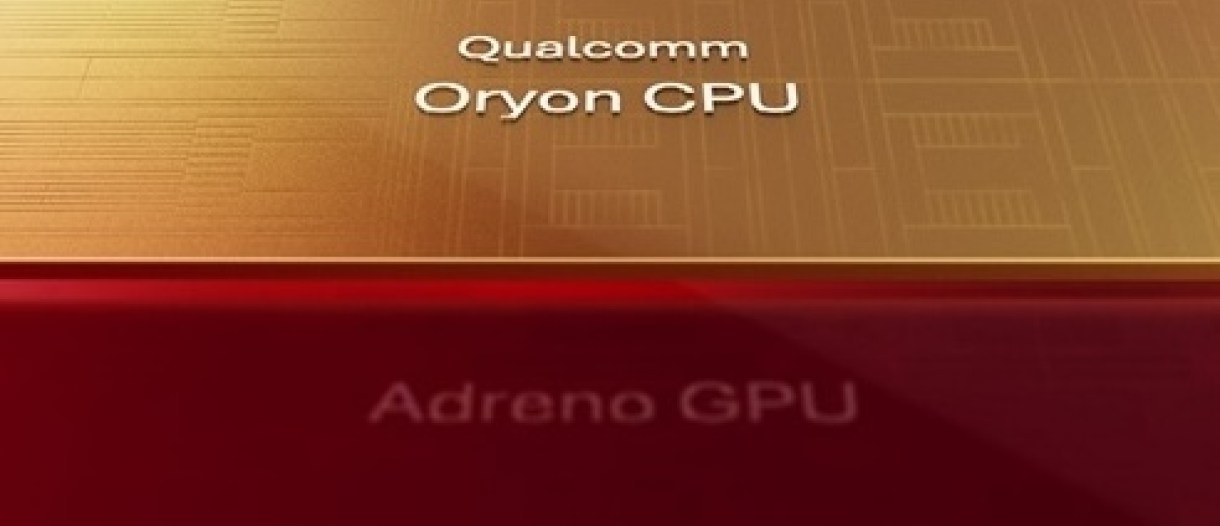
Despite its impressive specifications, including a 15,000 multi-core Geekbench score and a new Arm G2-Ultra NX MC16 GPU, Xiaomi faces challenges as smartphone demand weakens. The company reported a decline in handset sales, with 65 million units sold in the first half of 2026, down from 84 million the previous year. This decline raises questions about the timing of the O3's launch in a market increasingly dominated by competitors like Huawei, which holds a 68% market share in foldable smartphones.

Xiaomi's strategy to develop its own chips aims to improve product differentiation and reduce reliance on external suppliers. The company has invested over 20 billion yuan in the Xring project, with plans to invest at least 50 billion yuan over the next decade. As the smartphone landscape evolves, the success of the Xring O3 will be crucial for Xiaomi's ambitions in the premium segment.46
“The O3 is fabbed by TSMC on a 3nm N3P node and is currently only available for testing on a development board, with the Xiaomi 18 Fold expected to ship 200,000-300,000 units. Xiaomi has invested over 20 billion yuan in Xring development, but global smartphone shipments are projected to decline 14% in 2026.”
 Yahoo Finance