World rice supply faces crisis as farmers cut output due to Iran war and El Nino; Food security at risk.

The Iran war and the impending El Nino are causing significant disruptions to rice planting and fertiliser supply across Asia. These factors could lead to a considerable decrease in global rice production, exacerbating food insecurity.

Sources:
ReutersBBC+1
Trending 1h ago
Tab background
Sources: ReutersBBC
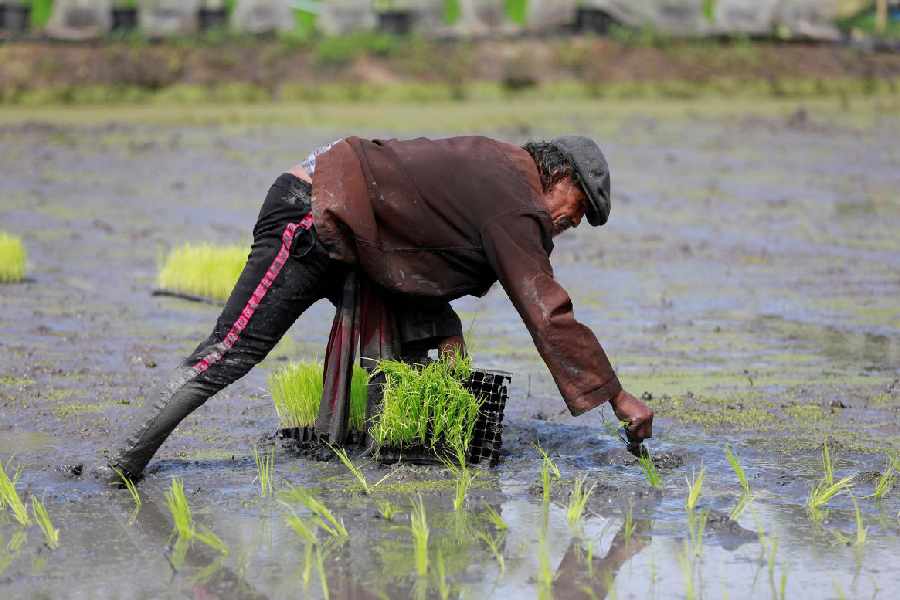
Rice supply is expected to fall sharply this year as farmers across Asia reduce planting due to fertiliser shortages and soaring fuel costs caused by the ongoing Iran war. Fertiliser flows through the Strait of Hormuz have been disrupted, impacting the supply chain significantly.
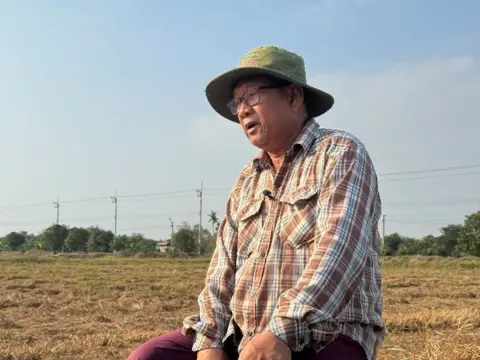
Farmers have indicated that the rising costs of production may lead to reduced planting and use of fertilisers, which would diminish production levels. Maximo Torero, chief economist at the UN FAO, warns, “We are going to see a tighter global supply situation in the second half of the year and early next year.”
Indonesia's rice harvest area is predicted to shrink by 10.6%, while production could drop 11.12% to 20.68 million tons.
The conflict in the Middle East is compounding existing issues as China's export restrictions and a price surge of more than 40% for urea fertiliser are projected to further strain the market.
With Vietnam being a major rice exporter, and the Philippines heavily reliant on imports, food security concerns are mounting. The UN World Food Programme warns that the crisis could push 45 million people into acute hunger by 2026.
“If we don't reopen this in the next two to three weeks, the situation is going to get pretty serious,” said Arze Glipo, executive director of the Integrated Rural Development Foundation.
In Asia and the Pacific, food insecurity is projected to rise by 24%, the largest relative increase globally, intensifying fears over the future of food security in the region.
Sources: Reuters
World rice supply is projected to decline this year as farmers reduce planting due to skyrocketing fuel costs and fertiliser shortages stemming from the Iran war. The situation is worsened by the emergence of El Nino, threatening food security for millions globally.
Section 1 background
The Headline

Global rice supply crisis due to Iran war and El Nino

Key Facts
  • Rice supply is expected to fall this year as farmers cut planting acreage across Asia because of fertiliser shortages and soaring fuel costs from the Iran war, with an emerging El Nino also set to squeeze output.Reuters2
  • The war has cut fuel and fertiliser flows through the Strait of Hormuz, a key chokepoint that connects the Gulf to global markets.Reuters2
  • Farmers across Asia have already started planting rice in some countries and are using fewer inputs because prices have gone up.Reuters2
  • A tighter global supply situation is expected in the second half of the year and early next year.Reuters2
  • Some farmers are now saying they may not plant or will reduce fertiliser use, which would inevitably cut production.1
  • The output of a large rice-producing country could fall by as much as 6 million tons from its typical 19 million to 20 million.Reuters2
  • Indonesia's statistics bureau estimates the rice harvest area will shrink by 10.6% and unhusked rice production will drop 11.12%.Reuters2
  • If we don't reopen this in the next two to three weeks, the situation is going to get pretty serious.Reuters2
Section 2 background
Background Context

Background on food supply crisis

Key Facts
  • The proximate cause of this crisis is a war that many farmers had little reason to care about before.BBC
  • The United States and Israel struck Iran on 28 February, impacting the flow of fertilisers that crucially affects agricultural productivity.BBC
  • The price of urea, the world's most common nitrogen fertiliser, has jumped more than 40%.BBC
  • China has restricted exports of several types of fertiliser in March, crucial for agricultural industries.BBC
  • Vietnam is one of the world's major rice exporters, crucial for feeding the Philippines and parts of Africa.BBC
  • The Philippines relies on Vietnam for nearly 80% of its rice imports.BBC
  • The UN World Food Programme estimates that the fallout from the Middle East conflict could push 45 million additional people into acute hunger.BBC
  • Food insecurity in Asia and the Pacific is expected to rise by 24%, the largest relative increase of any region.BBC
Article not found
CuriousCats.ai

Article

Source Citations