- Democrats gained control of Congress after flipping long-held Republican Senate seats in Texas, Maine, and South Carolina.
- Spanish Prime Minister Pedro Sánchez expressed that Americans voted 'Against hate, machismo, climate denialism, and the privileges of the elites' and predicted a similar shift in Spain.
- Norwegian Foreign Minister Espen Barth Eide stated that Americans had 'had enough of MAGA' and desired a different course.
- Austrian Foreign Minister Beate Meinl-Reisinger emphasized that Europe must not depend on U.S. voters and vowed to strengthen defense and competitiveness.
- Laurel Rapp from Chatham House expressed skepticism about a 'we're back' moment in U.S.-Europe relations.
- Officials from Canada, Mexico, and Russia expressed cautious wait-and-see attitudes regarding the election results.
- South African President Cyril Ramaphosa predicted that the Democrats' control of Congress would introduce a 'new era in world relations.'


The world reacted cautiously to the Democrats' victory in the U.S. midterms, interpreting it as a rejection of President Trump's divisive policies.
Spain's Prime Minister Pedro Sánchez noted that Americans voted against hate and climate denialism, suggesting a shift towards progressive values. He stated, "It happened in Brazil. It just happened in the U.S. And it will happen soon in Spain."

Norwegian Foreign Minister Espen Barth Eide echoed this sentiment, asserting that Americans have had enough of the MAGA agenda and desire a different course. He emphasized, "Enough of polarization."4
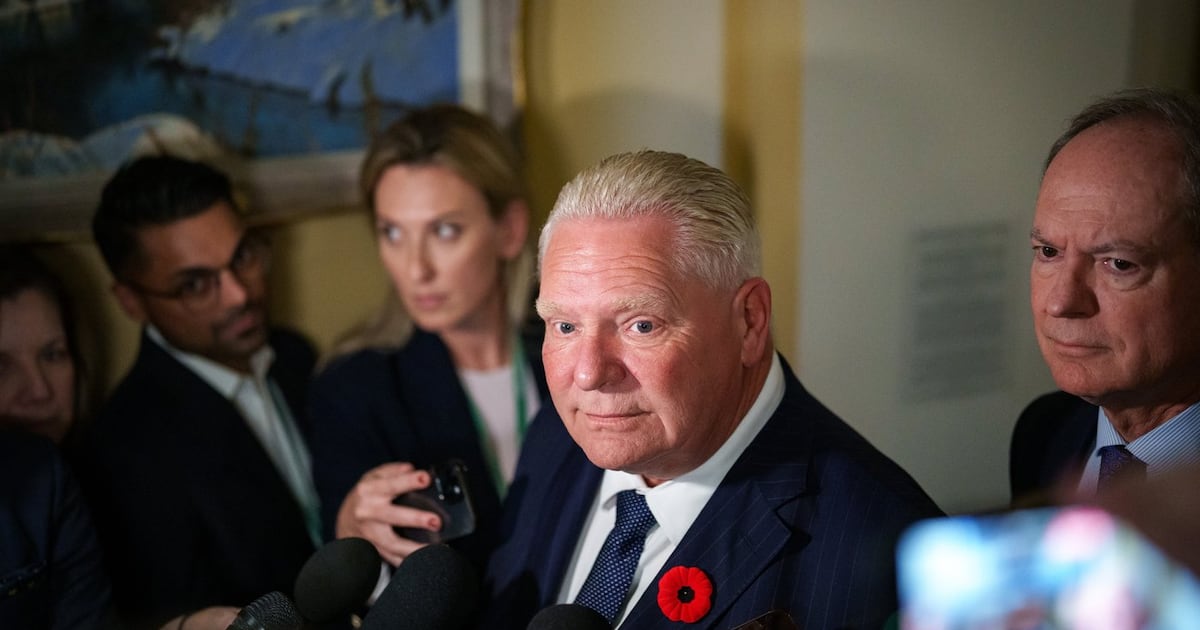
Canadian Premier Doug Ford celebrated the outcome, claiming it would provide Canada with more leverage in trade negotiations, stating, "I was doing cartwheels down the street."
However, some leaders cautioned that Trump's influence remains significant. Laurel Rapp from Chatham House remarked, "I don't expect this will significantly change the administration's approach to Europe."6
South African President Cyril Ramaphosa viewed the shift as a potential new era in world relations, while others warned that Trump's policies could still pose challenges. Dominic LeBlanc noted that trade talks would continue under Trump's administration, emphasizing the need for constructive engagement despite the election results.9
Overall, while the election results signal a potential shift in U.S. foreign policy, the extent of change remains uncertain as Trump retains considerable power.
“Sánchez called the result 'a crashing defeat for the global Right,' while Norway's PM saw 'a powerful political signal.' Others cautioned: Russia's Peskov hoped Trump would continue 'peacemaking efforts,' and Mexico's Sheinbaum simply said 'We must wait and see.'”

 Global NewsThe Globe and Mail