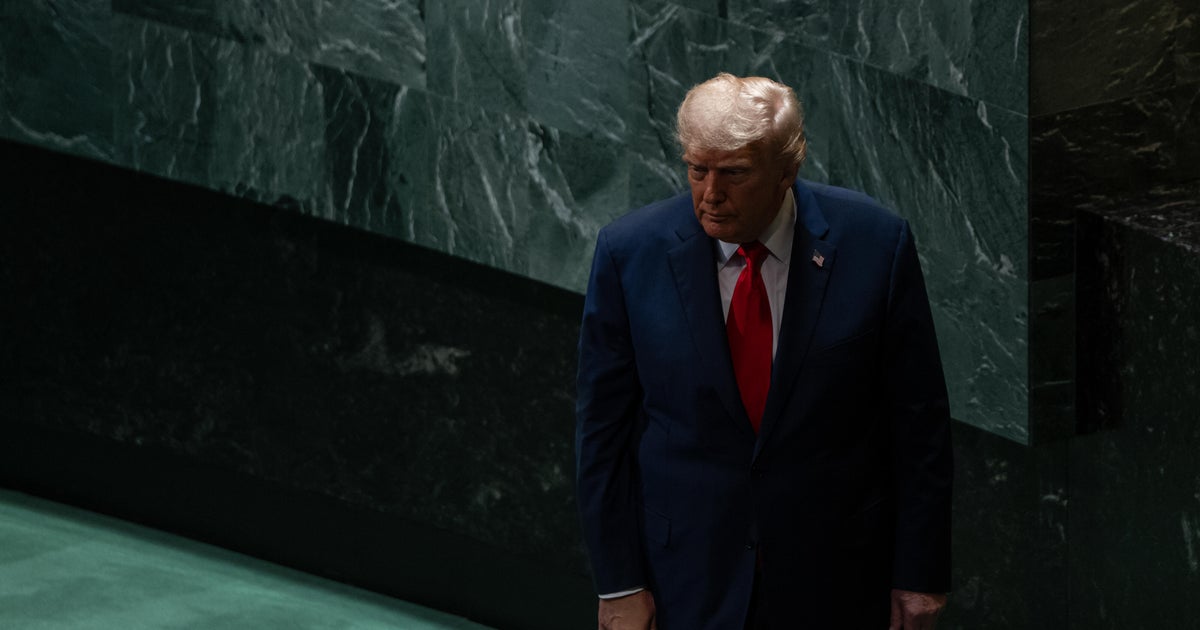
- World leaders almost all agree the U.N. is failing.
- The U.N. General Assembly is meeting, raising questions about its effectiveness.
- War has added impetus to calls to loosen the grip of the U.S. and three other countries over the U.N.
- Big nations like India, Brazil, Turkey, and Nigeria are voicing criticism of the Security Council P5.
World leaders are increasingly vocal about the United Nations' failures as the General Assembly meets, with many calling for a reduction in the U.S. and P5 nations' control.13
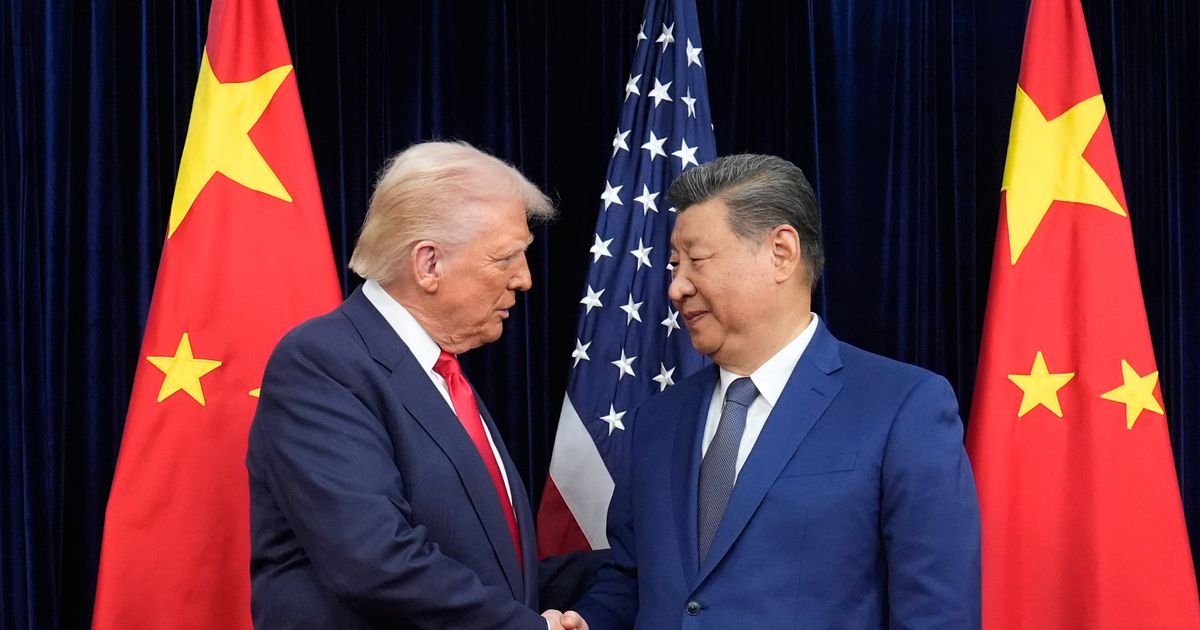
The concentration of power among the five veto-holding nations—U.S., U.K., France, Russia, and China—has led to significant criticism from emerging economies like India, Brazil, Turkey, and Nigeria, which represent a growing share of the global economy and population.4
“War has added impetus this year to a perennial call by vocal world leaders to loosen the grip over the United Nations,” highlighting the urgency for reform.
The U.N. has struggled to address pressing global issues, with the Security Council often paralyzed by the competing interests of its permanent members.
“The United Nations is really - it's a tale of two institutions,” said an expert, emphasizing the contrast between the operational agencies like UNICEF and the political bodies that often fail to reach consensus.
As the U.N. seeks new leadership, the question remains whether a figure can emerge capable of uniting member states to tackle critical issues like war and peace.
“Will there be somebody there who can build consensus among the member states?” This uncertainty looms large as the world grapples with ongoing conflicts and the need for effective global governance.
“The Security Council's veto power lets any of five nations block criticism, concentrating power among the U.S., China, U.K., and others. India, Brazil, Turkey, and Nigeria, representing growing shares of the global economy, are increasingly voicing criticism of this P5 structure.”


 WSJ
WSJ NPR
NPR