- El Niño has been building since early summer, with sea surface temperatures almost 3°C above normal and subsurface heat more than 8°C above average in some areas.
- The World Meteorological Organization (WMO) predicts a 'nearly 100% likelihood' that El Niño will last through February 2027.
- The WMO states that the event is 'firmly established' and is expected to strengthen into a 'very strong' El Niño over the coming months.
- UN Secretary-General António Guterres warns that 'El Niño is being supersized before our eyes' and that the planet is in a 'danger zone'.
- UK Met Office's Adam Scaife indicates that 2027 is 'very likely' to replace 2024 as the warmest year ever recorded.
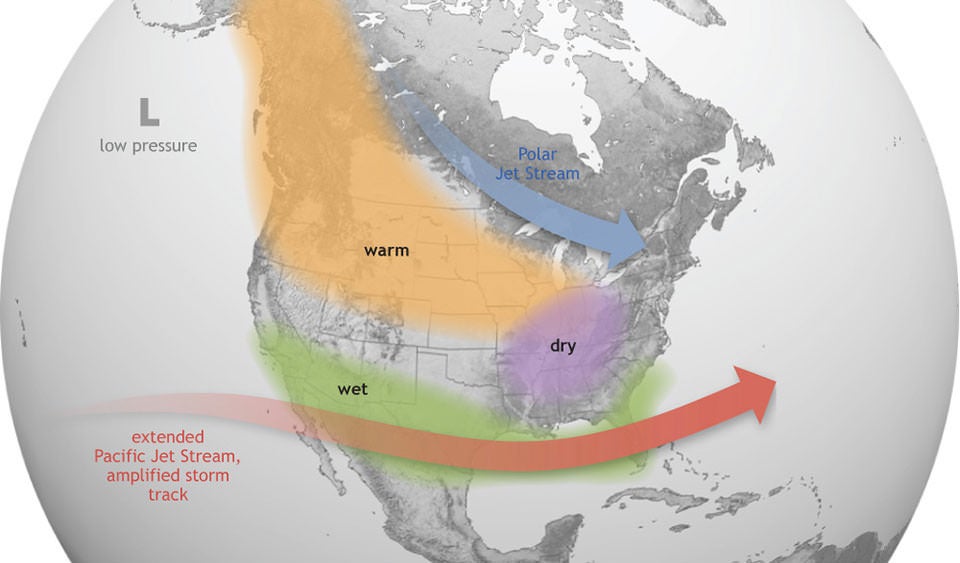
- The WMO describes this El Niño as a potentially exceptional warming event that could reshape rainfall and temperature patterns across large parts of the planet.
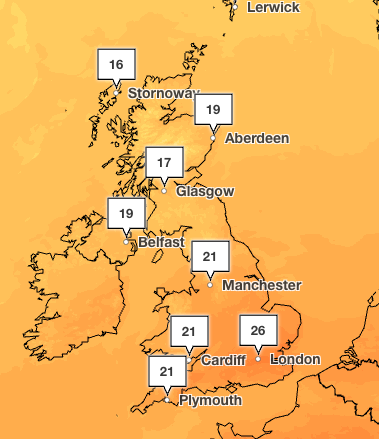
- The WMO emphasizes that almost all land areas are likely to experience above-normal temperatures during the coming months.
- The WMO is mounting an unusually large international preparedness and early-warning effort, focusing on agriculture, food security, water resources, health, and energy.
- This El Niño is occurring against the background of an already much warm planet and unusually warm oceans.
The World Meteorological Organization (WMO) has issued a stark warning regarding a 'supersized' El Niño, predicting a nearly 100% chance it will last through February 2027. This unprecedented event is expected to reshape global weather patterns, leading to extreme weather conditions worldwide.12
UN Secretary-General António Guterres stated, "El Niño is being supersized before our eyes. The science leaves no room for doubt: The planet is in uncharted waters, and those waters are heating up." The WMO noted that this is the first time an El Niño/La Niña update has been so unequivocal, reflecting strong consensus among meteorological agencies.

The WMO predicts that almost all land areas will experience above-normal temperatures, with significant variations in rainfall patterns. Some regions may face severe droughts, while others could see increased flooding. The agency's forecasts indicate that sea surface temperatures in the Pacific are already up to 2.6°C above normal, with subsurface temperatures exceeding 8°C above average in some areas.7
Professor Adam Scaife from the UK Met Office described this El Niño as potentially the largest in living memory, with 2027 likely to become the warmest year on record. The WMO is mounting an extensive international preparedness effort, focusing on agriculture, food security, and humanitarian impacts.8
As the WMO emphasizes, while El Niño is a natural phenomenon, it is occurring against a backdrop of a significantly warmer planet, raising concerns about its potential impacts on global weather patterns.
“The WMO says this is the first time an El Niño/La Niña update has been so unequivocal, reflecting strong agreement among national agencies. Subsurface Pacific heat is more than 8°C above average in some areas, and the UK Met Office says 2027 is 'very likely' to become the warmest year on record.”