- Trump launched the conflict in late February with a call for a government takeover, but by June he claimed he never cared about regime change.
- Diplomacy is stalled, with no substantive attempts to return to talks after Trump ordered his envoys to halt discussions with Iran.
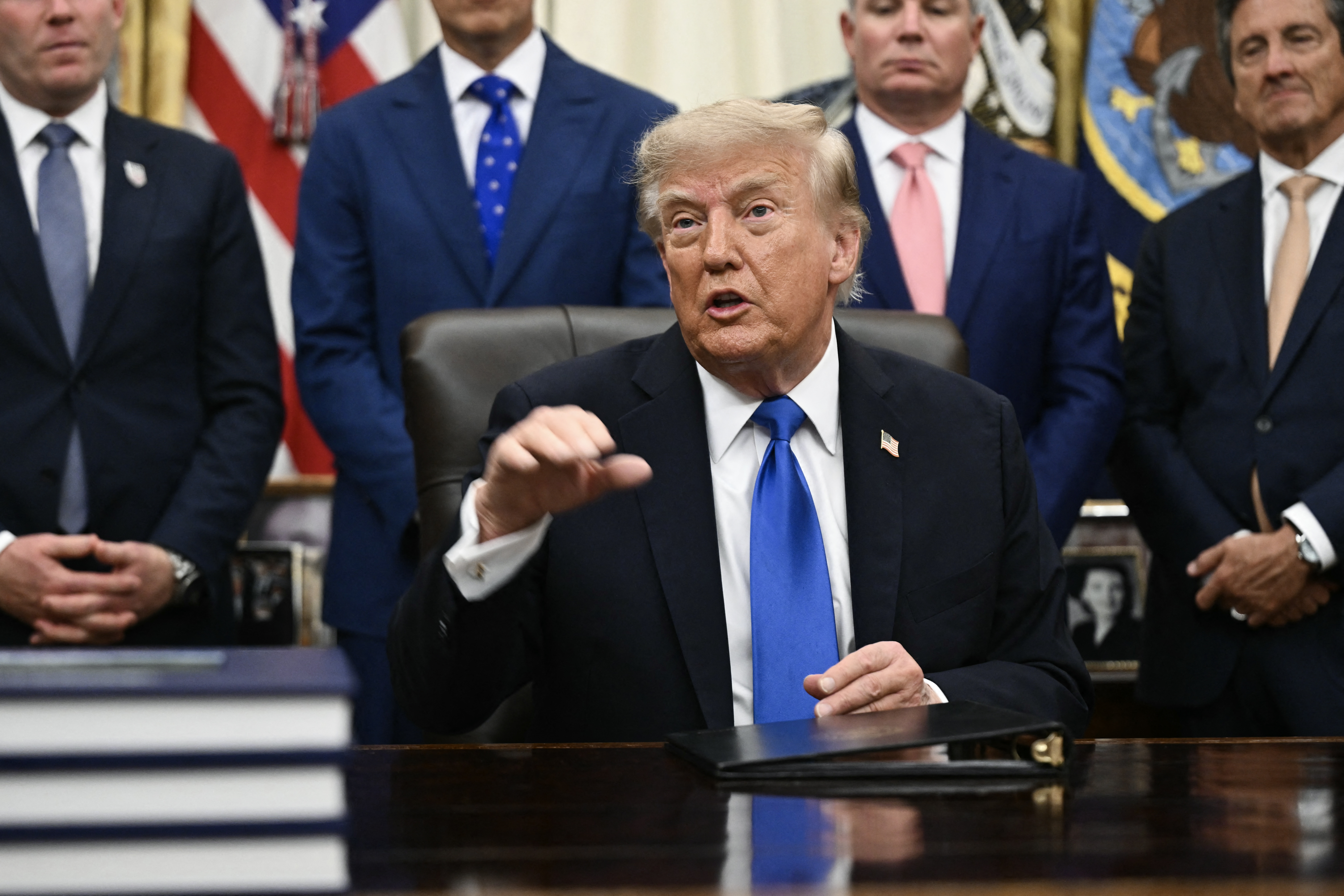
- On social media, Trump asked: 'When are the Iranian people going to rise up and fight?'
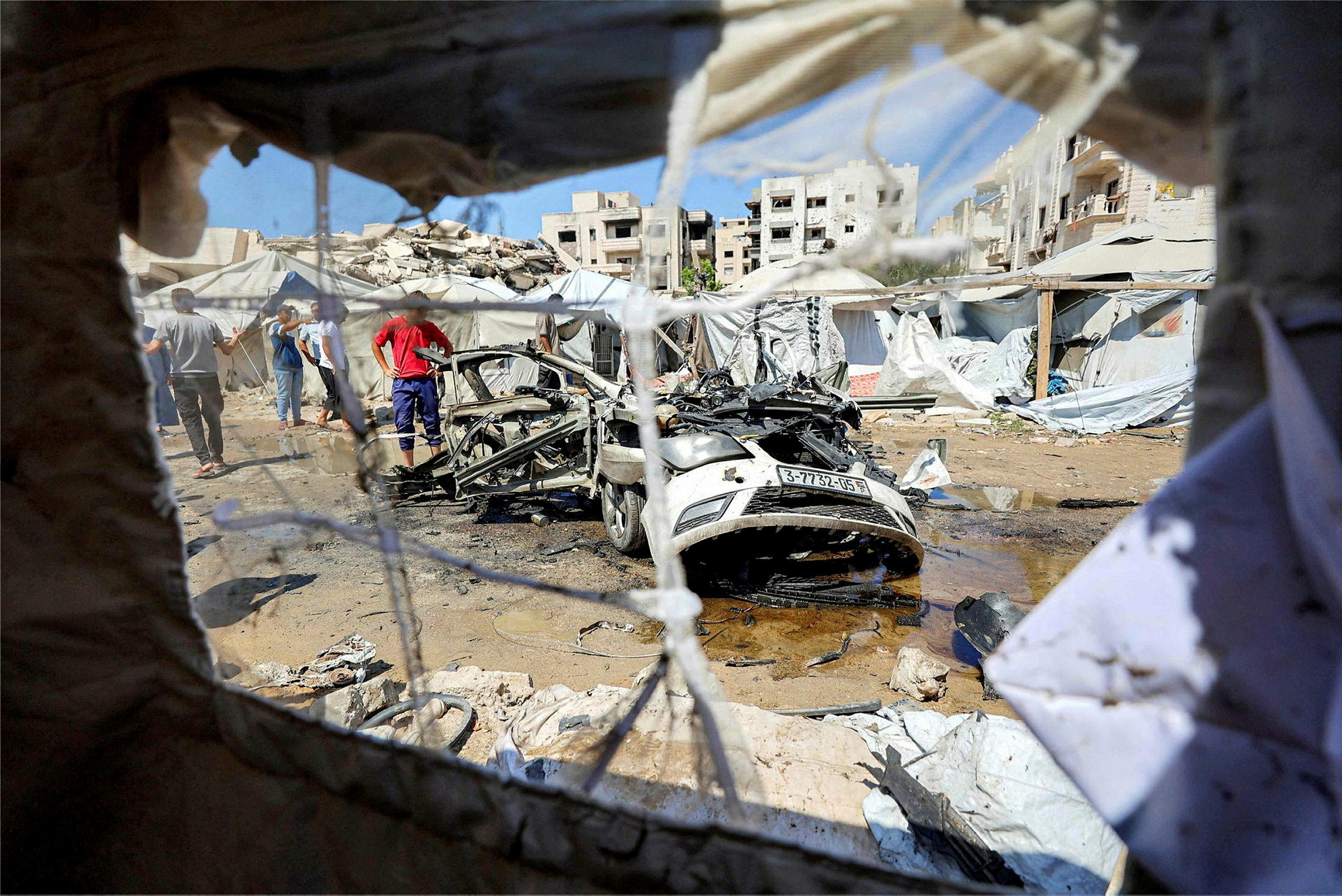
- Trump stated he was prepared to order an even larger round of destruction if needed.
- US officials see little intelligence indicating renewed protests could oust Iran's leaders, and pre-war assessments doubted regime change would occur.
- Protests have been met with severe crackdowns, and analysts note Iran sees economic pressure as part of a broader US campaign.
- The administration's strategy includes cutting off Iran's finances and threatening sanctions on its largest trading partners.
- Iran's President Masoud Pezeshkian acknowledged the country faces a full-scale economic, military, and security war.
President Donald Trump has reignited discussions of regime change in Iran, questioning the lack of uprising among the Iranian populace. His comments come as diplomatic efforts remain stalled and military tensions escalate.
Trump has been vocal about his frustrations, asking, “When are the Iranian people going to rise up and fight?” This inquiry reflects a long-standing concern within his administration regarding the Iranian leadership's stability amidst ongoing economic strife.
Despite Trump's earlier claims of not prioritizing regime change, he has consistently linked military actions to the hope of inciting discontent among Iranians. “This will be probably your only chance for generations,” he urged the Iranian people at the onset of the conflict.
However, U.S. intelligence suggests that the Iranian regime remains resilient, with little evidence indicating a potential uprising. Protests have been met with severe crackdowns, and the Iranian government perceives U.S. economic pressure as part of a broader strategy aimed at destabilization.89
As the situation evolves, the Trump administration's approach appears increasingly focused on military dominance and economic sanctions, with officials expressing skepticism about the likelihood of significant change in Iran's political landscape.
“The Iranian leadership sees this kind of economic campaign of economic pressure not in isolation,” noted Hamidreza Azizi, a senior analyst, highlighting the complexities of U.S.-Iran relations.
With no substantive diplomatic efforts underway, the future remains uncertain for both the U.S. and Iran.
“Trump launched the conflict in late February with a call for a government takeover, but by June he insisted he 'never cared about regime change.' Iran's President Masoud Pezeshkian acknowledged a 'full-scale economic, military, and security war,' while US officials see little intelligence indicating renewed protests could oust leaders.”