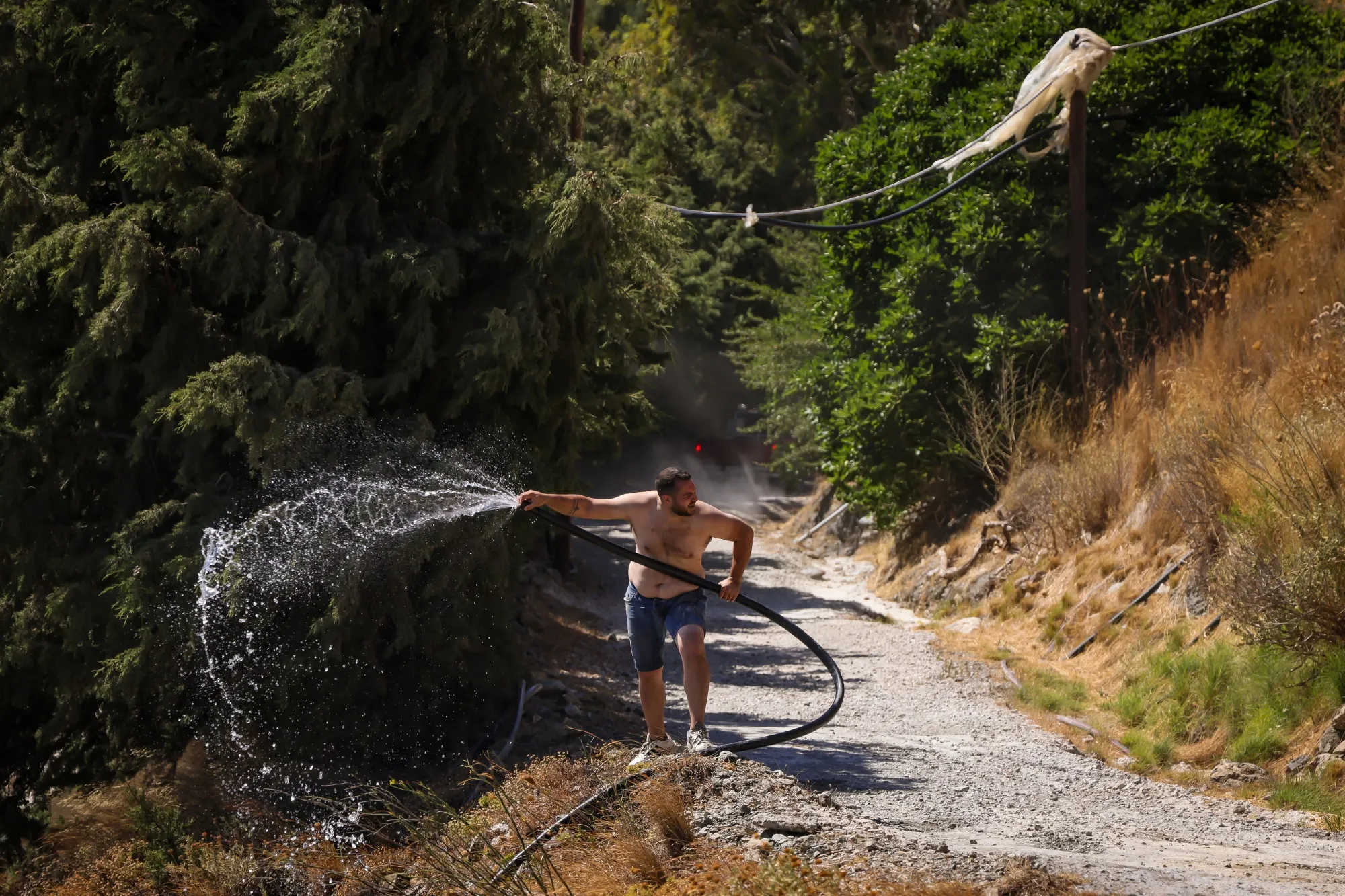
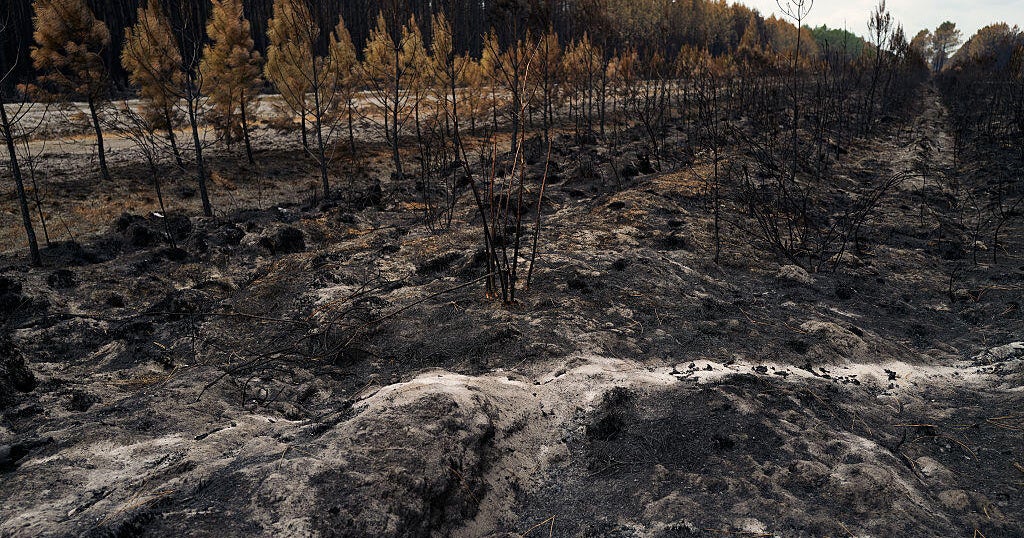
- Current wildfires in Les Landes have burned an area four times the size of Paris, highlighting the urgent need for changes in France's forest management to prevent future disasters.
- Les Landes is a 10,000-square-kilometer woodland created in the 19th century for timber and resin; it has been ravaged again by wildfires after 2022 and 1949, when 82 people died. The 2022 fires displaced 37,000 people and destroyed 320 square kilometers.
- Europe is the world’s fastest-warming continent, but climate change isn’t Les Landes’ only vulnerability: experts point to its nature as an industrial plantation dating to the Second French Empire, created after an 1857 law ordered by Napoleon III.
- President Emmanuel Macron said a different kind of forest should be replanted: “The structural conditions created by climate change, under which we will have to live, have changed”, as has pressure from housing and tourism.
- Maritime pine is relatively fire-resistant, but experts believe its monoculture increases risk because single-species conifer forests are drier. A diverse forest has multiple tree species, layers, and less than 3% of the sun’s radiation reaches the forest floor.
- More than 90% of Les Landes is privately owned, with 75% held by 20% of landowners; the sector supports an estimated 60,000 jobs and generates 10 billion euros ($11.5 billion) annually. Changing management requires negotiations and compensation if monoculture is partially abandoned.
- Forest owners’ president Nicolas Lafon rejects portrayal of owners as responsible and expects an “ambitious, coherent, and long-term national forest policy”; a petition for a hunting moratorium in burned woodlands has gathered 300,000 signatories.
- Arthur Guérin-Turcq says fires spread until villages, so buffer zones around settlements are necessary; other options include wetlands, farmland, and broadleaf trees. Bruno Lafon called for larger firebreaks, warning “we risk losing the Landes forest”.
Wildfires have devastated Les Landes, France, burning an area four times the size of Paris. The region's forests, primarily composed of maritime pine, are increasingly vulnerable due to climate change and monoculture practices.12378
President Emmanuel Macron emphasized the need for a shift in forest management, stating, “The structural conditions created by climate change... have changed.”6
Experts argue that the reliance on single-species forests exacerbates fire risks, as these drier environments favor flames.
Nathalie Naulet, a forestry expert, noted, “Without a protective canopy, the soil heats up and dries out.”
The region's forests, covering 10,000 square kilometers, were established in the 19th century for timber production, but now face challenges from wildfires that displaced 37,000 people in 2022.
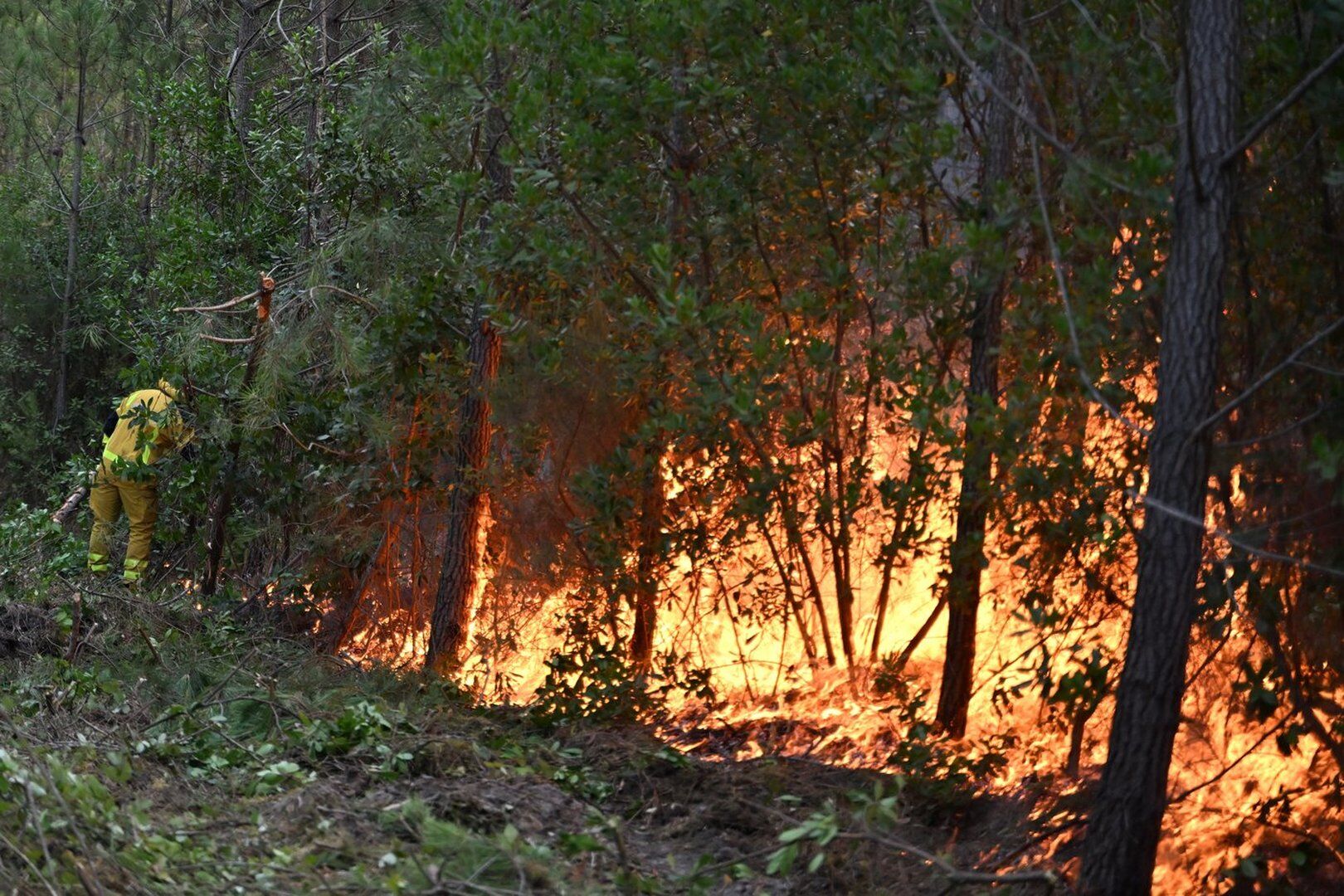
Geographer Arthur Guérin-Turcq suggests creating buffer zones around settlements to prevent fire spread.141516
Nicolas Lafon, president of the Southwest Foresters’ Association, highlighted the economic impact, stating the sector supports 60,000 jobs and generates over €10 billion annually.910111213
The call for a change in management practices is urgent, with proposals for introducing more broadleaf trees and creating larger firebreaks to protect the forests.
Bruno Lafon of the Forest Fire Defense Association warned, “Otherwise, we risk losing the Landes forest.”
“President Emmanuel Macron said a different kind of forest should be replanted: “The structural conditions created by climate change, under which we will have to live, have changed.” More than 90% of Les Landes is privately owned, with 75% held by 20% of landowners, making management changes subject to compensation negotiations.”