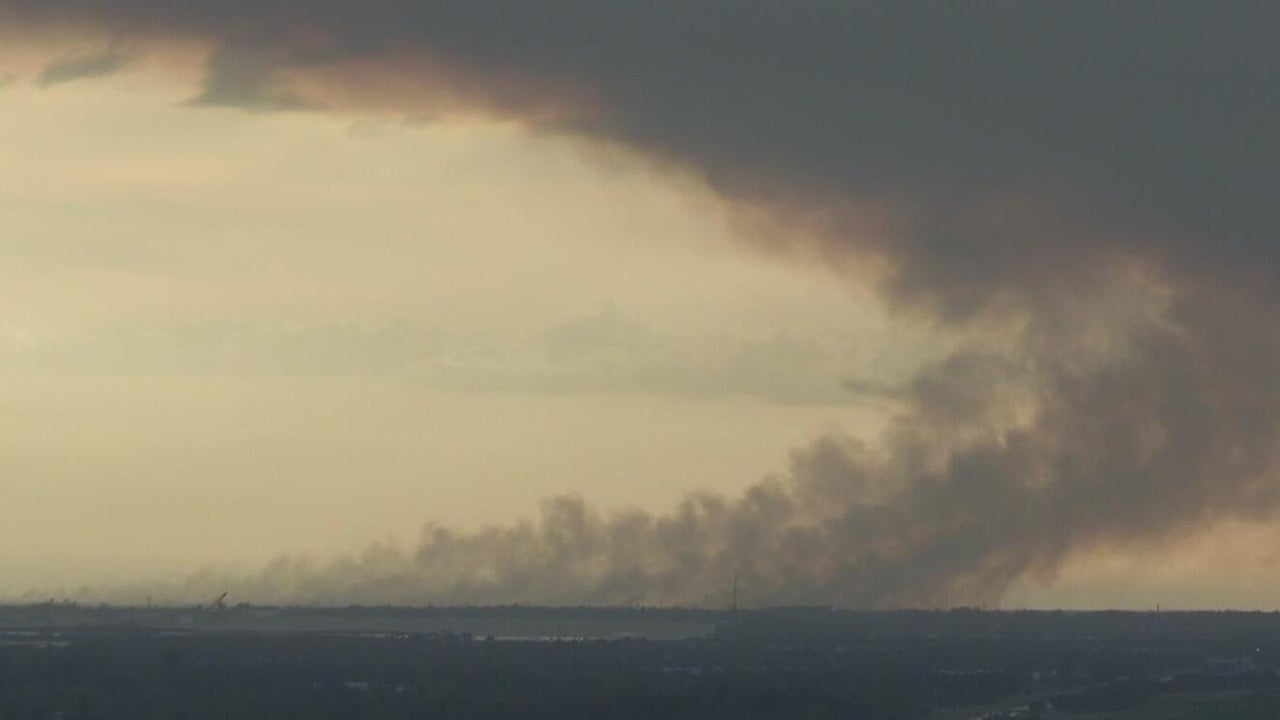
- Wildfires rage across forests and peatlands in South Sumatra, shrouding parts of Indonesia in hazardous haze.
- About 3,000 residents gathered on Tuesday in Palembang, the provincial capital, to perform salat istisqa, a special Islamic prayer for rain, in the courtyard of the governor’s office.
- Governor Herman Deru said before the prayers: 'We have done everything we can and worked closely with all relevant parties. As people of faith, we are also praying to God to send rain so that life can return to normal.'
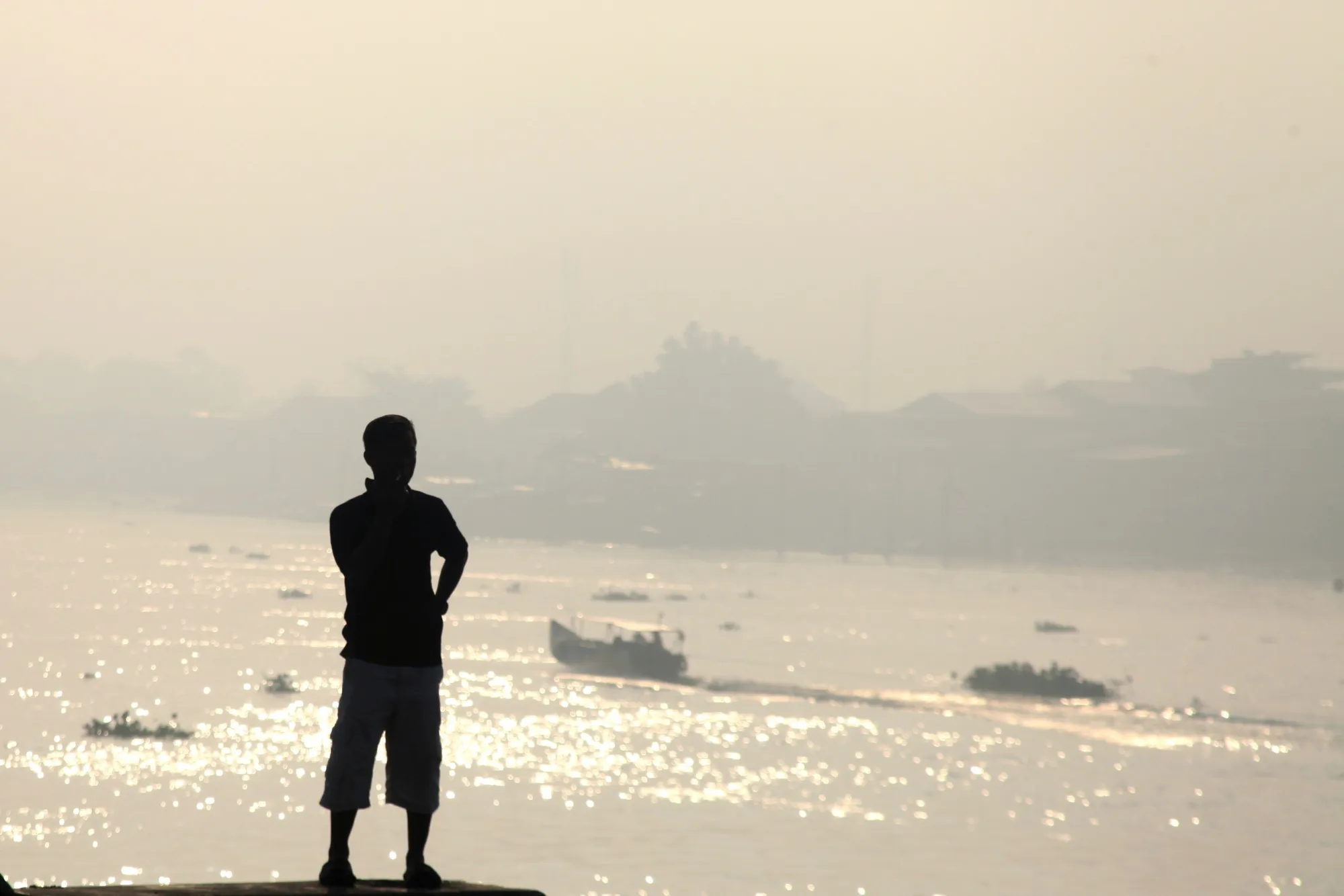
- Worshippers stood shoulder to shoulder as thick smoke reduced visibility and forced motorists to drive with headlights on during the day.
- South Sumatra currently has the highest number of wildfire hotspots in Indonesia, with 1,429 detected by Environment Ministry satellites.
- Nearly 940 square kilometres (360 square miles) of land burned in July alone, including more than 20sq km (8sq miles) in South Sumatra.
Authorities in South Sumatra, Indonesia, are facing a severe wildfire crisis, with 1,429 hotspots detected, the highest in the country.5
Governor Herman Deru stated, “We have done everything we can and worked closely with all relevant parties,” as residents gathered for a special Islamic rain prayer, salat istisqa, in Palembang.23
The wildfires, exacerbated by an intensifying El Niño pattern and prolonged dry season, have burned nearly 940 square kilometers (360 square miles) of land in July alone, including over 20 square kilometers (8 square miles) in South Sumatra.1
The resulting smoke has reduced visibility and drifted into neighboring Malaysia and Brunei, prompting emergency crews to deploy aircraft for cloud seeding and water bombing.
Authorities have arrested 72 people for allegedly using fire to clear land, with four companies under investigation.
Seasonal fires and cross-border haze have long been a regional flashpoint in Southeast Asia, raising concerns about environmental and public health impacts.
“South Sumatra leads Indonesia with 1,429 wildfire hotspots, followed by West Kalimantan (1,226) and Central Kalimantan (811). Nearly 940 square kilometers burned in July alone, including over 20 square kilometers in South Sumatra, as thick smoke forced motorists to drive with headlights on during the day.”