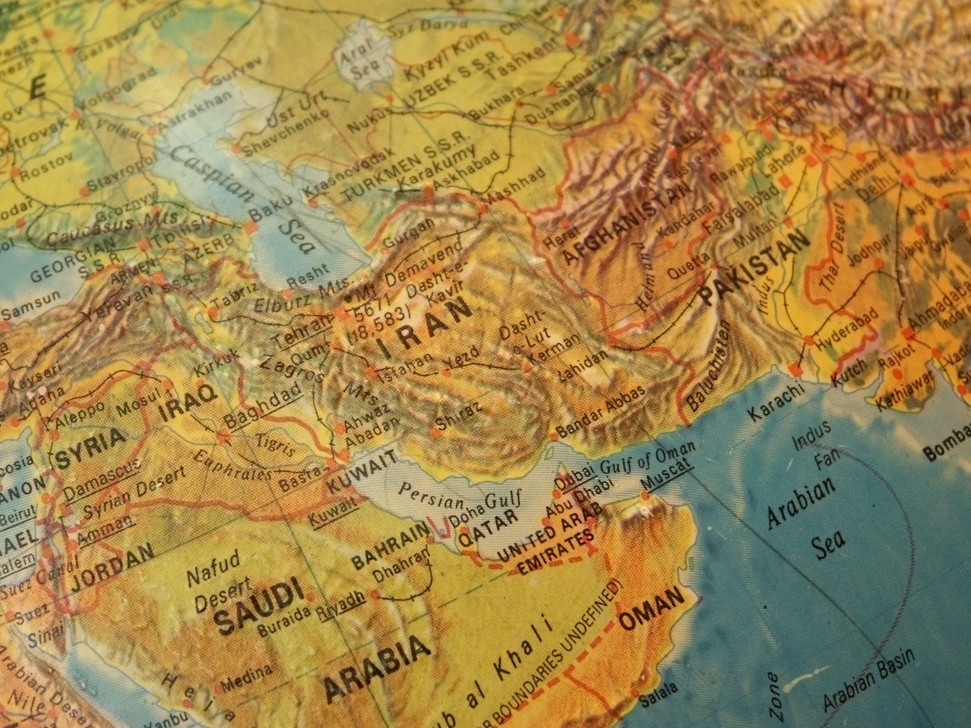
- The original war aims: regime change, eliminating Iran's missile capability, and preventing nuclear weapons are now unattainable, leaving reopening the Strait of Hormuz as the central objective.
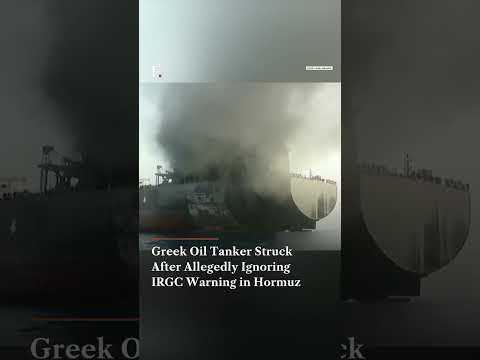
- Iran has turned control of the strait into leverage, saying it will block shipments of oil, gas, petrochemicals, and other key commodities while the war continues.
- The closure has sent commodity prices skyward and caused shortages already visible around the world.
- Trump's choices are stark: go on the offensive, withdraw and accept Iranian control of the Strait, or maintain the embargo.
- Withdrawal would be seen as a defeat that invites challenges to American hegemony and costs support from pro-Israeli groups and Republican megadonors.
- Losing the war would also confirm the opposition of most Americans, lead to November midterm defeats, and personally embarrass President Trump.
- The military option is constrained: Iran can strike from hundreds of miles away, shoreline control would not stop attacks, and replenishing munitions will take years.
The Trump administration is ensnared in a complex conflict with Iran, where withdrawal is fraught with political peril. The perception of defeat could embolden adversaries and alienate key supporters, particularly pro-Israeli groups.45
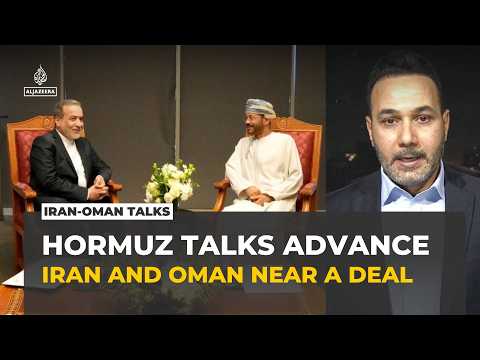
As the U.S. grapples with its options, the closure of the Strait of Hormuz has become a critical issue. Iran's control over this vital shipping route has led to soaring prices for oil and other commodities, exacerbating global shortages.
The administration's choices are stark: continue military engagement and risk greater damage from Iranian missile attacks, withdraw and concede control of the strait, or maintain an embargo that could lead to economic depression as the strait remains closed.
The implications of these decisions are profound. Withdrawal could signal a significant shift in American hegemony, inviting challenges from other nations. Additionally, the political ramifications could be severe, with potential losses in the upcoming midterm elections and a personal embarrassment for President Trump, who has long positioned himself as a winner.
As the situation evolves, the U.S. must navigate these treacherous waters carefully, balancing military strategy with the realities of international politics and domestic opinion.
“Original war aims — regime change, eliminating Iran's missile capability, and preventing a nuclear weapon — are now unattainable, leaving reopening the Strait of Hormuz without Iranian control as the central objective. Iran says no oil, gas, petrochemicals will ship while the war continues, and replenishing expended high-tech munitions will take years.”

 Crude Oil Prices Today | OilPrice.com



