- Before 1845, individual states held elections on various dates over a 34-day window.
- In 1845, Congress passed a law establishing a uniform national Election Day for federal contests.
- Lawmakers chose the Tuesday after the first Monday in November to avoid November 1 (All Saints' Day).
- This choice accommodated travel on Monday, voting on Tuesday, and return for Wednesday's market day.
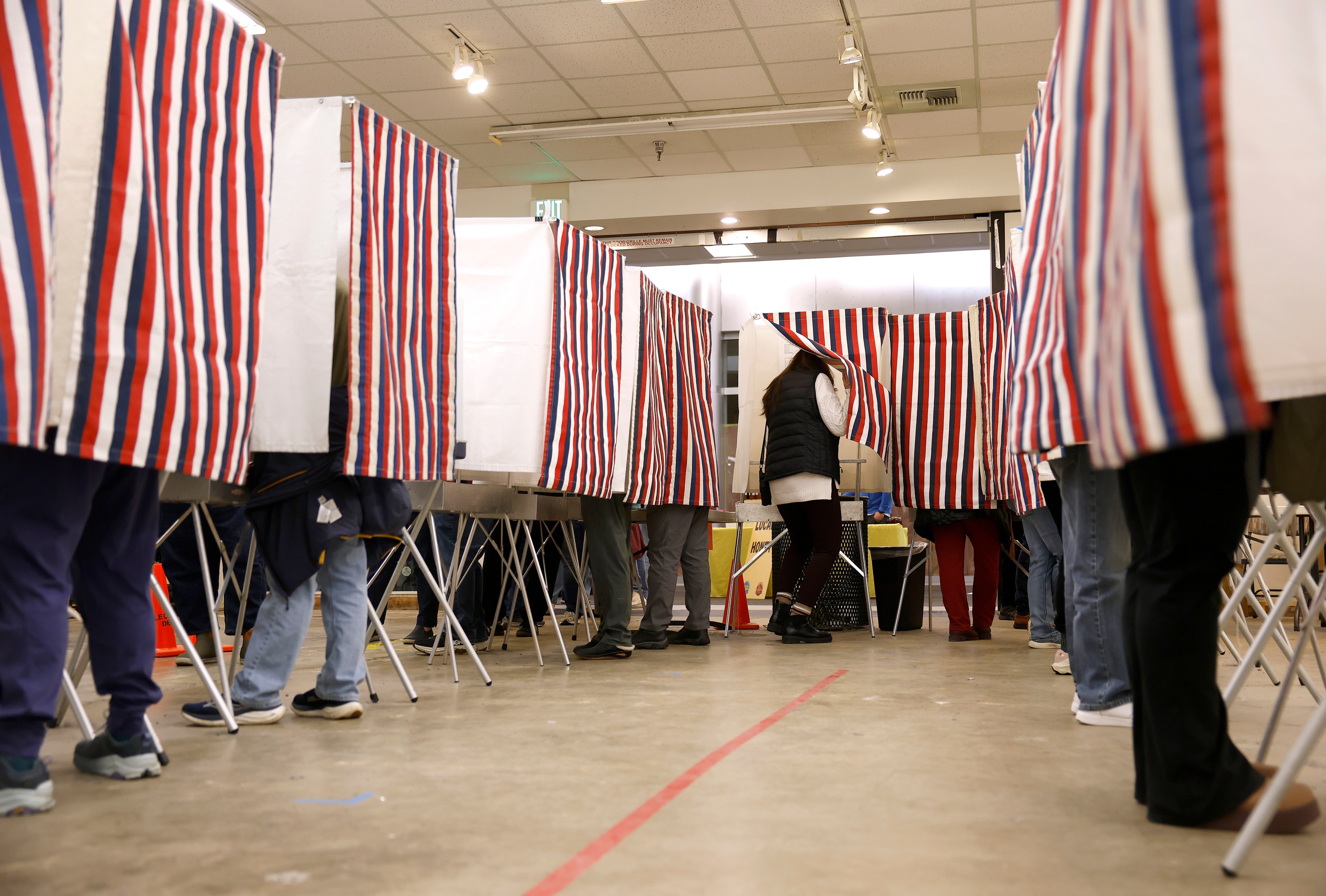
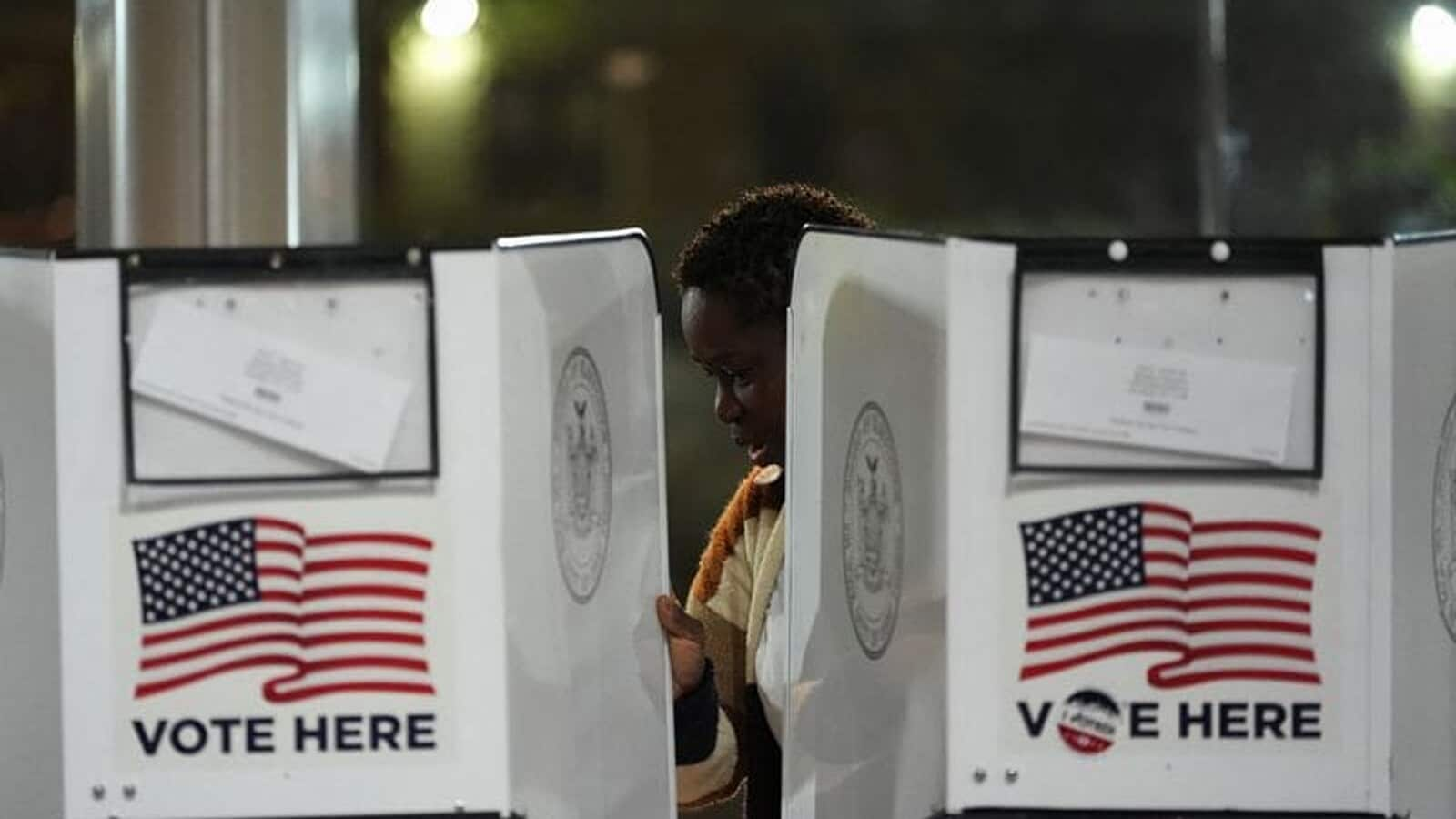
- Today, critics argue this 19th-century design creates hurdles for modern workers.
- Reforms suggest moving Election Day to a weekend or declaring it a federal holiday.
- The 1845 law was designed for a predominantly agrarian society, where Sunday was for worship, Monday for travel, and Wednesday for markets.
- Sunday was off-limits for voting as most Americans reserved it for church and rest.
- Monday was designated for travel, allowing rural voters to reach polling places without travelling on the Sabbath.
- Wednesday was traditionally market day, making it inconvenient for farmers to vote.
- Tuesday was chosen as it allowed voters to travel on Monday, vote on Tuesday, and return home in time for market activities.
- The 1845 election date was designed around the practical requirements of a farming society, rather than modern urban work schedules.

The establishment of Election Day on the Tuesday after the first Monday in November in 1845 was a response to the needs of a predominantly agrarian society.23911
Congress aimed to standardize voting across states, which previously varied their election dates within a 34-day window.
Sunday was reserved for church, while Monday was travel day for rural voters, making Tuesday the most practical choice for casting ballots.8
Lawmakers avoided November 1, All Saints' Day, to prevent conflicts with religious observances and merchants' accounting practices.

Critics now argue that this tradition is outdated, as it poses challenges for modern workers with long shifts and childcare responsibilities.
Reform groups advocate for moving Election Day to a weekend or making it a federal holiday to improve accessibility.
Despite the fixed Tuesday date, many states now offer early voting and mail-in options, providing greater flexibility for voters.
These changes reflect a shift from the original design, which catered to the travel constraints of 19th-century farmers, to a more inclusive approach for today's diverse workforce.
“The 1845 law also avoided November 1 because of All Saints' Day and merchants' bookkeeping. Today, most states offer early voting and mail-in ballots, reducing reliance on a single day, though reformers still push for a weekend or federal holiday.”
News18