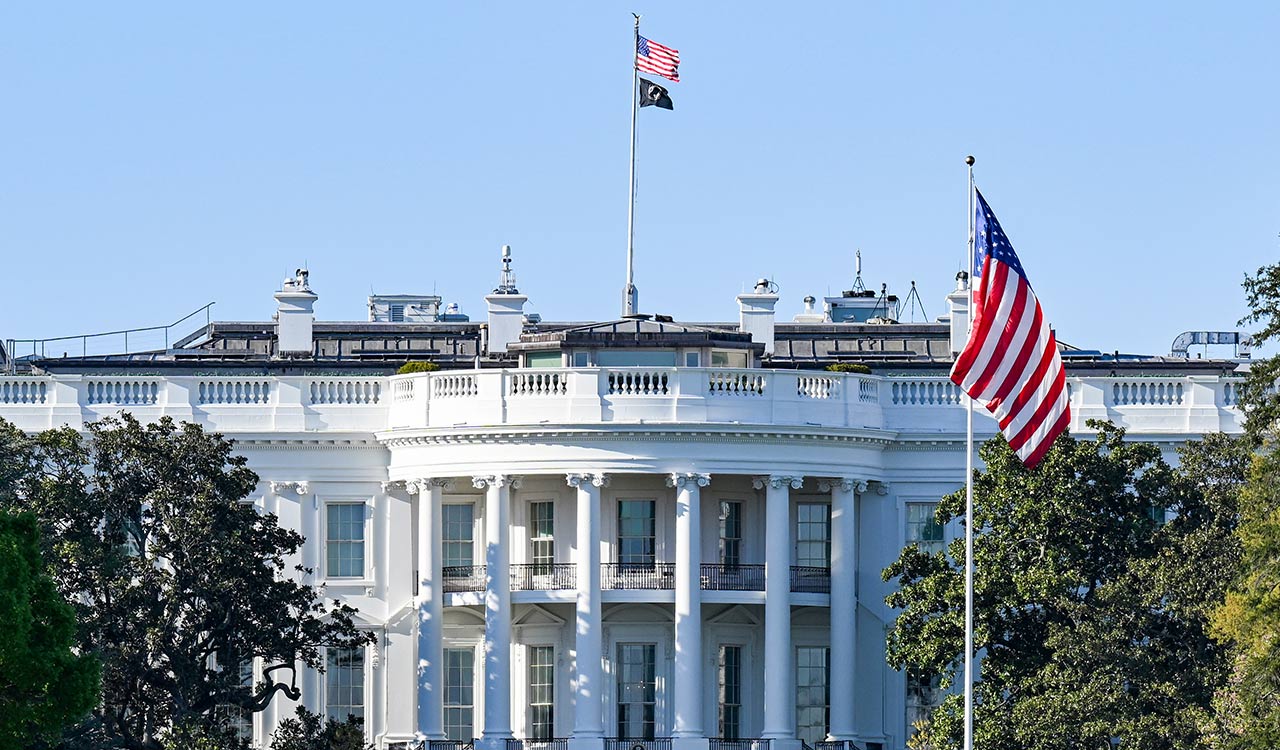
- The White House has listed the India-US interim trade agreement among 127 promises that President Donald Trump claims to have fulfilled during his second term, describing the deal as part of efforts to secure improved trade arrangements with major global partners.
- The report, titled 'President Trump’s Second Term: Promises Made, Promises Kept, Results Delivered', was released on Monday (local time), the final day of campaigning ahead of the US midterm elections.
- The inclusion of India in the list comes after New Delhi and Washington announced a framework for an Interim Agreement on reciprocal and mutually beneficial trade.
- On trade, the White House said Trump had secured "new and improved trade agreements" with major US trading partners, including India, the United Kingdom, the European Union, Japan, China, South Korea, Indonesia, Malaysia, Thailand, Vietnam, the Philippines and Cambodia.
- The White House on Monday highlighted U.S. President Donald Trump's trade agreement with Korea and an Alaska liquefied natural gas project involving Seoul among his fulfilled campaign promises, as it touted his achievements on the eve of the U.S. midterm elections.
- The document states: "By using tariffs as leverage, President Trump secured new and improved trade agreements with major U.S. trading partners covering more than half of global GDP – including the United Kingdom, European Union, Japan, China, India, Republic of Korea, Indonesia, Malaysia, Thailand, Vietnam, the Philippines, and Cambodia.
- According to a statement issued by the Ministry of Commerce and Industry in India, the two countries have reached a framework for the interim arrangement and will promptly implement it while working towards finalising the agreement.
- The statement said: "The United States of America (United States) and India are pleased to announce that they have reached a framework for an Interim Agreement regarding reciprocal and mutually beneficial trade (Interim Agreement)," and both sides would work towards concluding a mutually beneficial Bilateral Trade Agreement (BTA), consistent with the roadmap agreed upon in the Terms of Reference.
- The White House credited Trump's tariff policy with helping the US negotiate improved trade arrangements with countries accounting for more than half of global GDP, and said tariffs were used as a strategic tool to address unfair trade practices, rebuild American manufacturing, strengthen supply chains and protect national security.

The White House has touted the India-US interim trade agreement as part of President Trump's 127 fulfilled promises, despite it not being signed yet.13451011
This claim appears in a document titled 'President Trump’s Second Term: Promises Made, Promises Kept, Results Delivered.'6
Released on the eve of the midterm elections, the report emphasizes Trump's use of tariffs to negotiate improved trade agreements with major global partners, including India, Korea, and Japan.
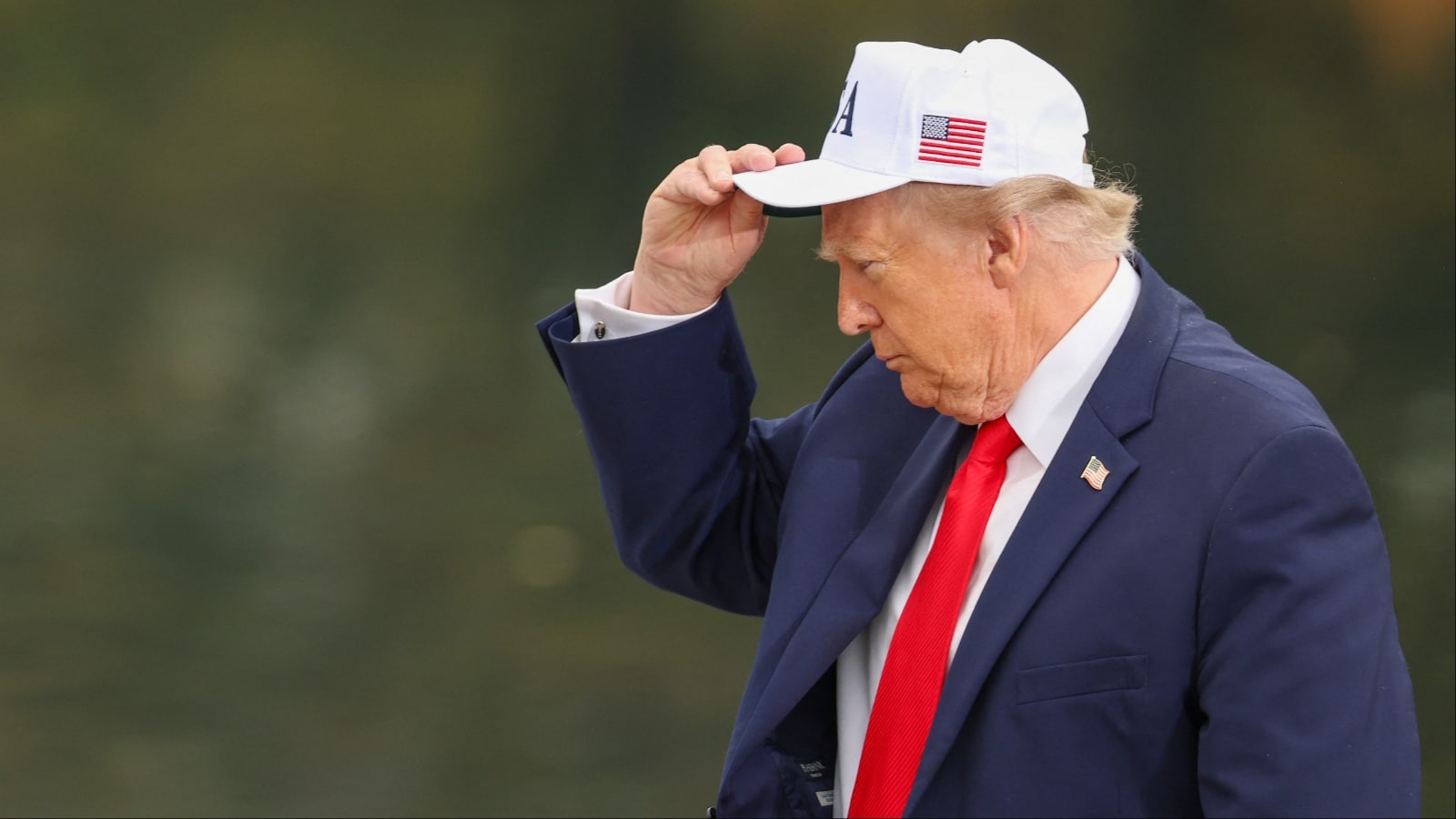
According to the White House, tariffs were strategically employed to address unfair trade practices, rebuild American manufacturing, and protect national security.
The interim agreement framework announced in February aims for reciprocal trade benefits, with India expected to reduce tariffs on US goods while the US would eliminate tariffs on certain Indian products.
Despite the framework's announcement, the agreement remains unsigned, raising questions about its implementation.
The White House also highlighted Trump's achievements with Korea, including a $54 billion agreement for a natural gas pipeline in Alaska, asserting that these trade deals cover countries accounting for over half of global GDP.
However, the administration's claims about peace efforts in conflicts, including between India and Pakistan, have been met with skepticism.
“The White House document claims Trump secured new trade agreements covering more than half of global GDP, including with the UK, EU, Japan, and China. It also credits him with helping achieve peace in eight conflicts, including between India and Pakistan, though New Delhi says only those two nations were involved in negotiations.”

 News18