
- WestJet has grounded planes as it prepares for a possible strike or lockout affecting flight attendants, aiming to reduce its schedule to avoid disruptions this weekend.
- As of 12:30 a.m. EST, WestJet has cancelled 81 flights scheduled for Saturday due to the looming strike deadline.
- The Canadian Union of Public Employees issued a 72-hour strike notice, prompting WestJet to respond with a lockout notice of its own.
- The strike deadline expires Sunday at 12:01 a.m. MT, marking the earliest a strike or lockout could begin if no agreement is reached.
- Union leaders have raised concerns about the Carney government's handling of labour issues, questioning whether it has a labour problem.
- The dispute primarily revolves around compensation for work performed on the ground, including boarding passengers and managing delays.
- Flight attendants are currently paid only while an aircraft is in the air, leading to frustrations over unpaid work during delays.
- WestJet's CEO stated that the company hopes to reach a deal but has begun to park planes and cancel flights as a precaution.
- Critics of the government have pointed out a history of intervention in labour disputes, raising concerns among union leaders.
WestJet Airlines has grounded planes and cancelled 81 flights as it braces for a potential strike by flight attendants, represented by the Canadian Union of Public Employees (CUPE), who issued a 72-hour strike notice. The airline's cancellations are a precautionary measure to avoid widespread disruptions if a work stoppage begins this weekend.28
The dispute centers on compensation for ground work, including boarding passengers and managing delays. Barry Eidlin, a sociology professor at McGill University, noted that flight attendants are typically paid only while the aircraft is in the air, leading to frustrations over unpaid hours. “They’ve come to a point now where the flight attendants are basically saying, ‘Enough’s enough, we need to be paid for the hours that we’ve been working,’” Eidlin stated.7
WestJet's CEO Alexis von Hoensbroech expressed hope for a resolution, stating, “We will continue to work around the clock to come to an agreement that provides value and meaningful improvements for our cabin crew.” However, the airline has begun to park planes and issue cancellations as a precaution.9
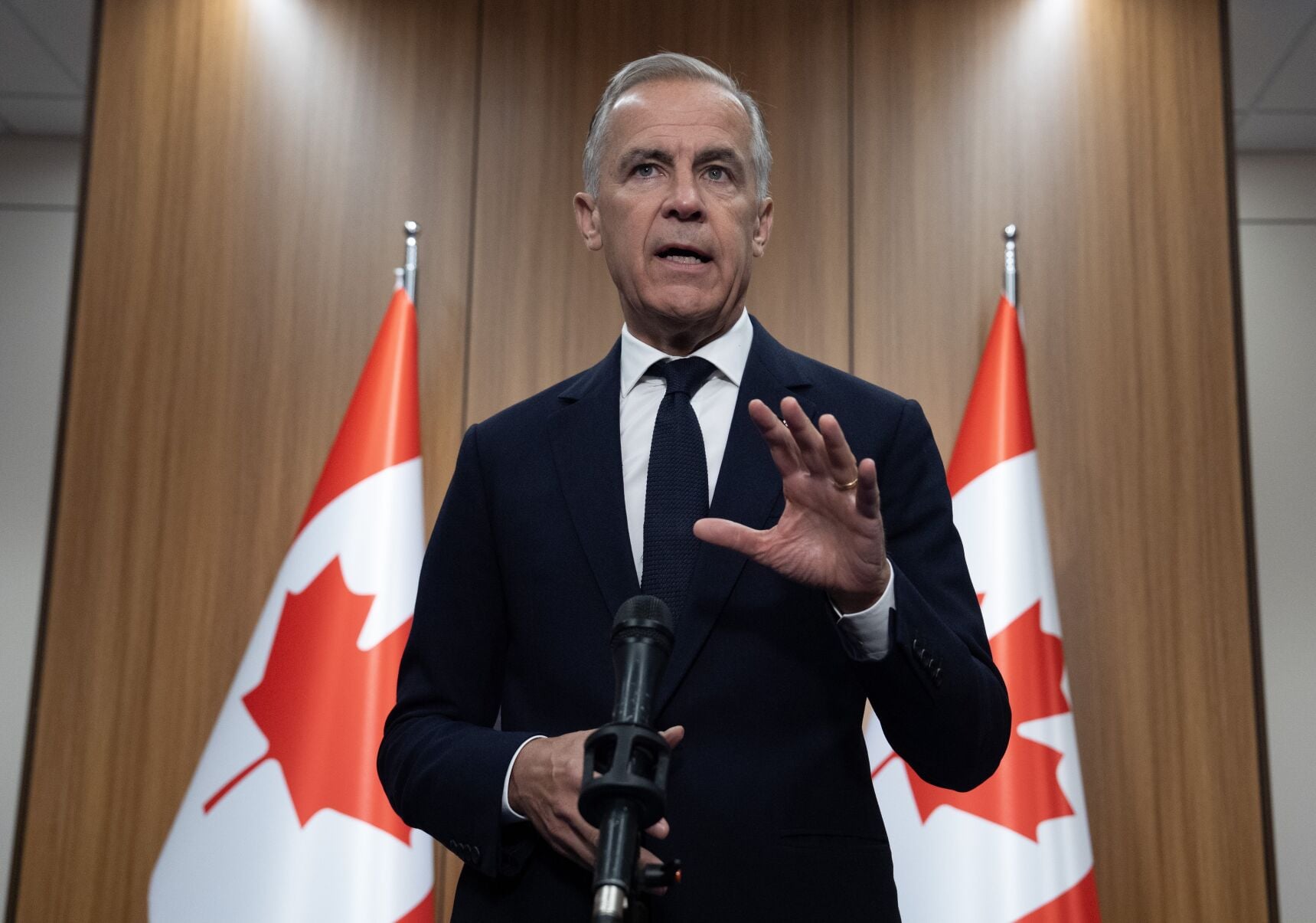
The situation is further complicated by concerns over government intervention in labor disputes. Critics of Prime Minister Mark Carney accuse him of being anti-labour, especially after the government previously used section 107 of the Canada Labour Code to intervene in similar disputes. Alia Hussain, local CUPE president, voiced concerns about potential government actions, stating, “If that’s the road they take, then we are going to take action and push back because we are a movement that protects rights.”
As negotiations continue, both WestJet and CUPE remain committed to reaching an agreement before a work stoppage occurs.
“The dispute centers on 'ground pay' — WestJet flight attendants are paid only while aircraft are in the air, a gap CUPE says has left many living off credit cards. Union leaders warn the government may use Section 107, a power deployed against Air Canada flight attendants, as a labour-code review ends Sunday.”

 Global News



