- US Treasury Secretary Scott Bessent unveiled expanded sanctions on Monday, targeting 60 individuals, entities and vessels, but stopped short of the most punishing measures, warning that countries continuing to trade with Iran risked being forced out of the dollar-based financial system.
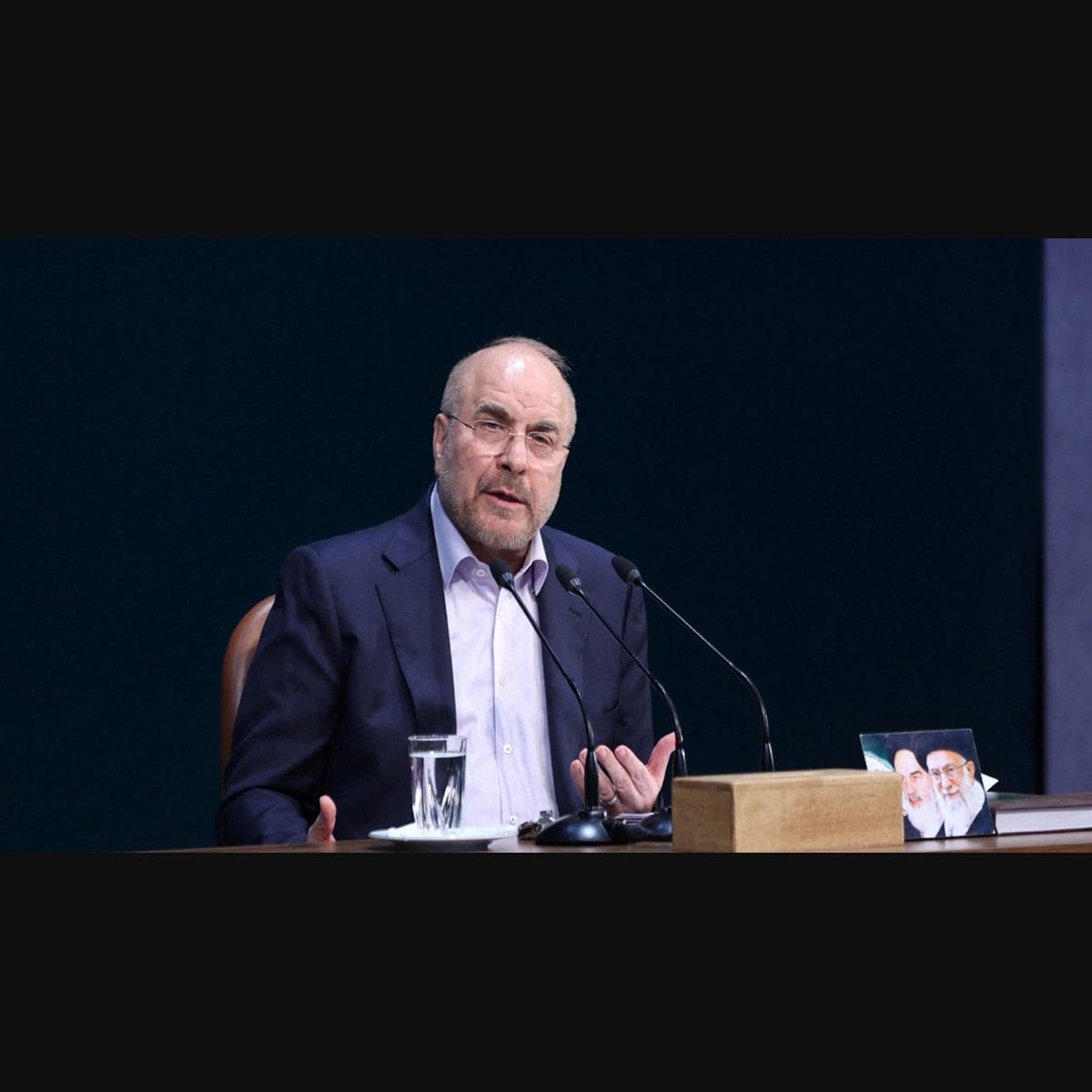
- Iran promised to retaliate, with Economy Minister Ali Madanizadeh stating, 'We are fully prepared for the U.S. sanctions' and warning of an 'economic terrorist attack'.
- Brigadier General Hossein Mohebbi of the Islamic Revolutionary Guard Corps vowed heavy blows to U.S. vital interests and energy chokepoints if Iran's infrastructure is threatened.
- Mediator Pakistan reported 'significant progress' in talks with Tehran, focusing on preventing escalation and reopening the Strait of Hormuz.
- Oil prices fell more than $2 a barrel despite the news, as investors braced for supply disruptions.
- China and India are highlighted as Iran's trading partners most exposed to the US sanction war.
- The US has laid out plans for the economic asphyxiation of Iran, expanding secondary sanctions threats under its economic D-Day campaign, and has threatened penalties against enablers that continue doing business with Tehran.
- China is Iran's largest trading partner, accounting for nearly one-third of non-oil foreign trade and nearly 90 per cent of oil exports, with $9.96 billion in reported bilateral trade in 2025, excluding roughly $31.2 billion in unreported crude oil exports.
- China bought an average of 1.38 million barrels per day of Iranian oil in 2025, with independent refiners rebranding it as Malaysian or Indonesian crude and settling outside the dollar system.
- India, among Iran's top five trading partners, saw bilateral trade fall to around $1.6 billion in the year ending March 2026 from $2.3 billion in the year through March 2023; India resumed crude imports in April after a seven-year halt, but those trades are now at risk if the US enforces sanctions.
Iran has pledged to retaliate against the U.S. for its expanded sanctions, which target 60 individuals and entities, aiming to cut off Iran's economic lifeline.
U.S. Treasury Secretary Scott Bessent stated that countries trading with Iran risk exclusion from the dollar-based financial system.1
Iranian officials, including Economy Minister Ali Madanizadeh, expressed readiness for the sanctions, claiming, "Naturally, the enemies intend to launch an economic terrorist attack on us, but we also have our own tools and know how to play the game."2
Brigadier General Hossein Mohebbi warned of severe consequences for U.S. interests if Iran's infrastructure is threatened.3
The sanctions come amid rising tensions, with the U.S. aiming for Iran's economic isolation under its "economic D-Day" campaign.78
China, Iran's largest trading partner, accounted for nearly one-third of Iran's non-oil foreign trade, while India, another key partner, saw its trade with Iran drop to around $1.6 billion in 2026.91011121314151617
The U.S. has threatened penalties against nations, including India and China, that continue to engage in trade with Iran, raising concerns over potential economic fallout.
India recently resumed importing Iranian crude oil after a seven-year hiatus, but this could be jeopardized by U.S. sanctions.
As tensions escalate, the potential for conflict in the region looms larger, with Iran's response to sanctions likely to impact global oil markets.
“US Treasury Secretary Scott Bessent unveiled measures on Monday, targeting 60 individuals, entities and vessels, but stopped short of the most punishing sanctions. Iran's Economy Minister Ali Madanizadeh said, "We are fully prepared for the U.S. sanctions," while Brigadier General Hossein Mohebbi vowed heavy blows to U.S. vital interests and energy chokepoints.”